Urea (Granular) - Egypt CAS: 57-13-6

The first week of July marks a critical contracting period for global sucralose buyers. With structural demand rising alongside GLP-1 medication adoption and Chinese producers preparing H2 pricing announcements, procurement decisions made now could influence ingredient costs for the rest of 2026.
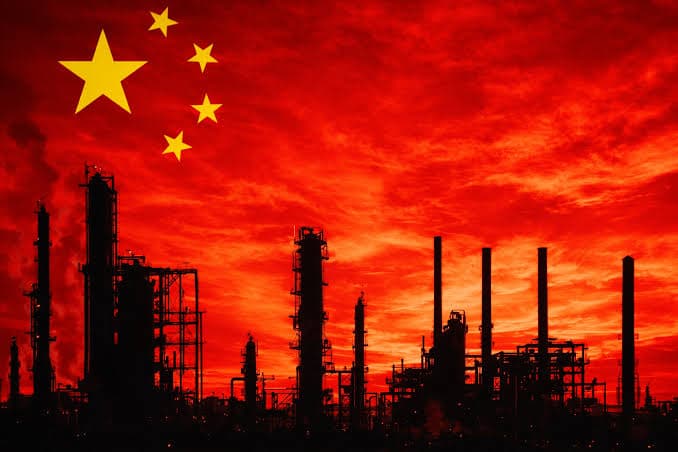
China's chemical industry ended H1 2026 as the world's primary swing supplier, filling supply gaps created by disruptions in Gulf exports. As Middle Eastern production steadily returns, procurement teams must determine which Chinese export advantages remain permanent and which were driven by exceptional market conditions.
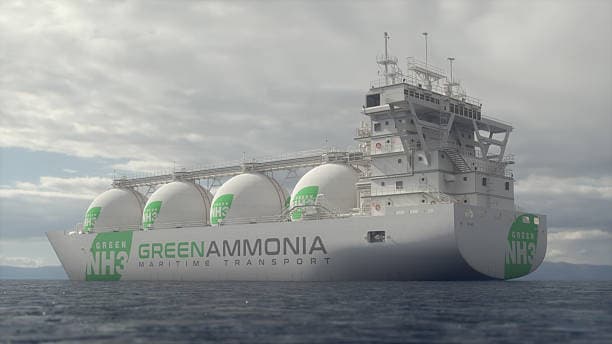
The Gulf’s ambitious green ammonia projects are facing a shift in timelines, with Saudi Arabia, UAE and Oman moving first commercial deliveries from 2026 to 2027–2028. This delay impacts offtake agreements, market expectations and the broader decarbonisation strategy across the region. TradeAsia explores the implications for investors and industry stakeholders.
Major NGL export terminal expansions along the US Gulf Coast are reshaping global ethane and propane trade flows. Chemical traders should prepare for continued logistics pressure as new export capacity comes online through late 2026.
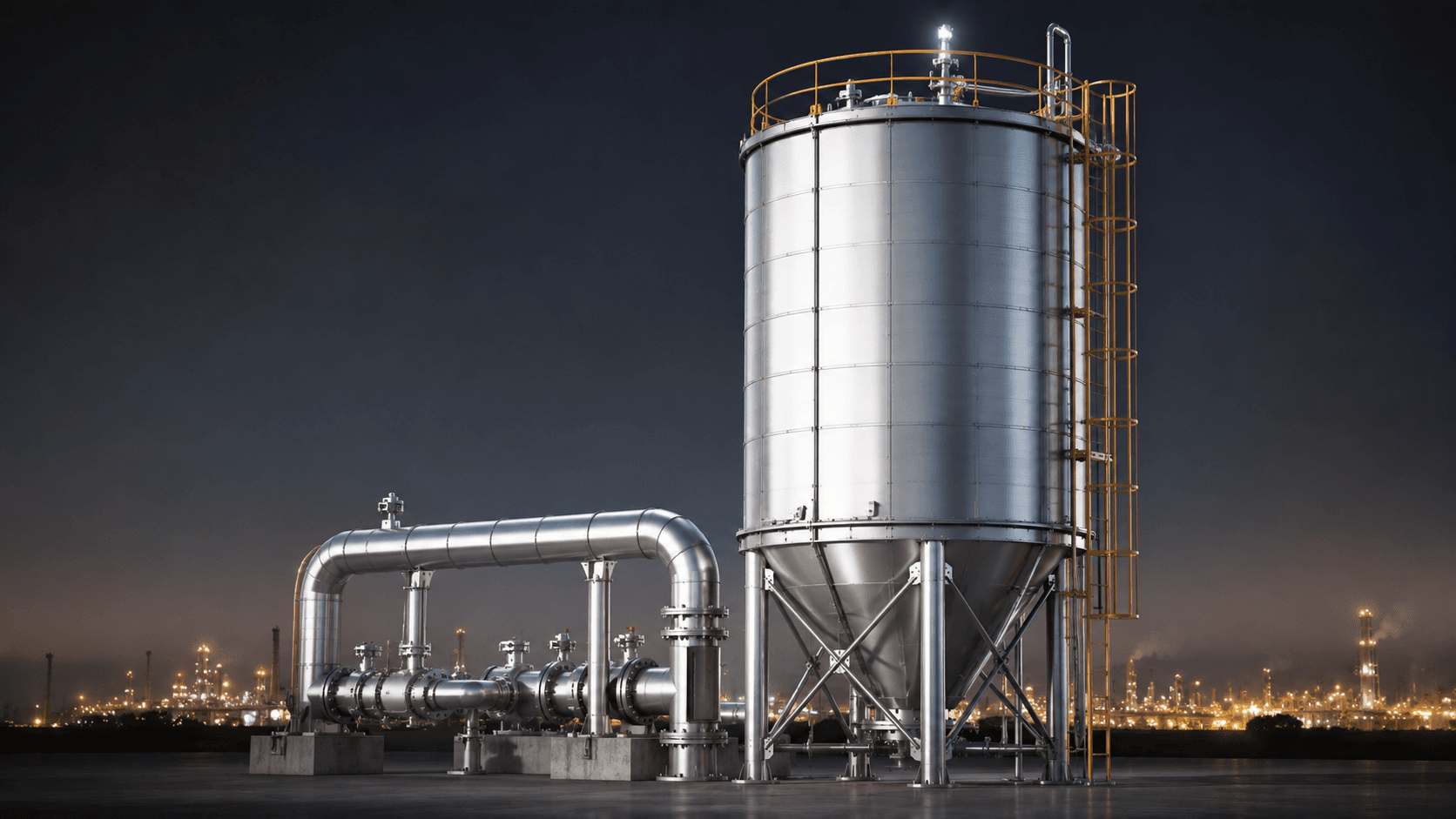
Mexico's Pemex has unveiled a $5.3 billion petrochemical and fertilizer reinvestment strategy aimed at dramatically expanding domestic output by 2030. While the plan could reshape regional fertilizer trade over the long term, buyers should not expect immediate relief for tight global nitrogen markets.

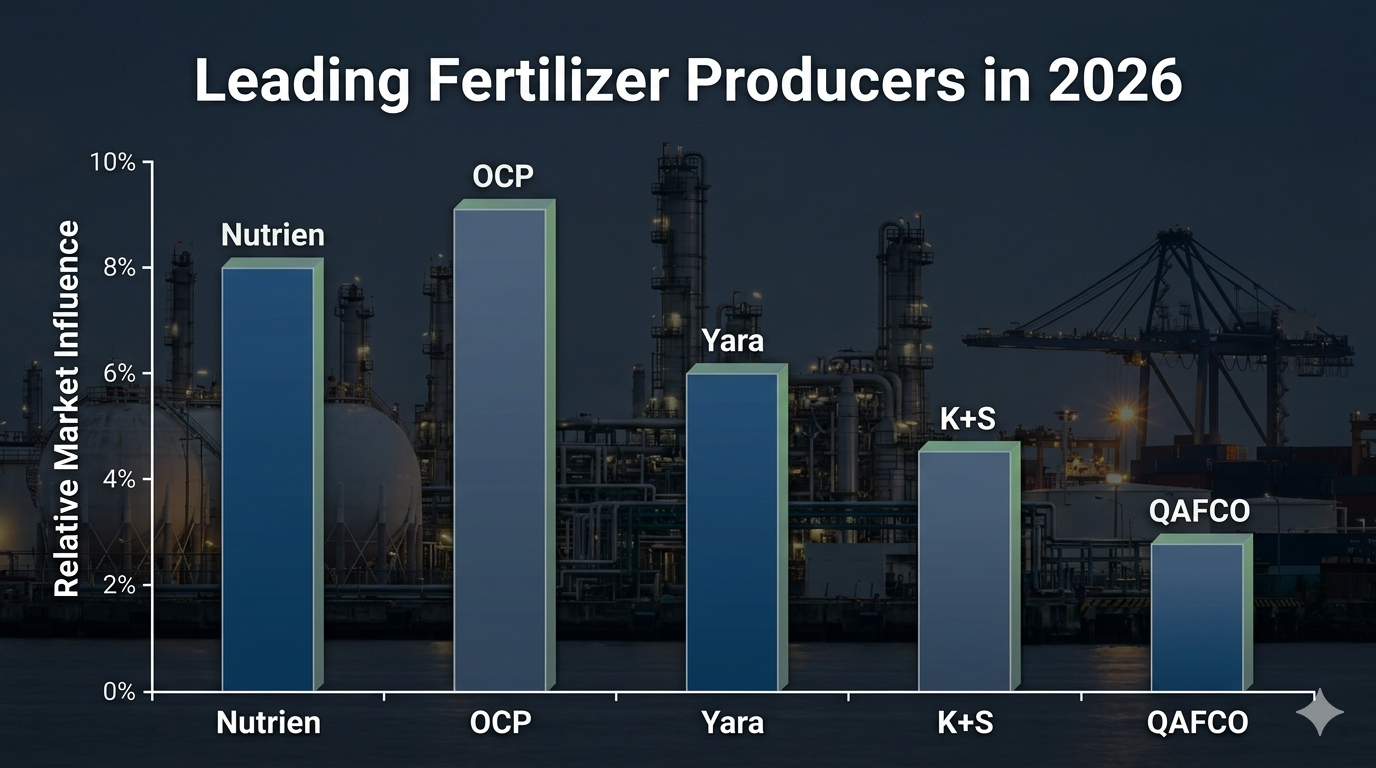
Fertilizer buyers face a critical Q3 2026 contracting window as urea prices fall 37%, DAP prices correct, and Hormuz supply recovery begins. Procurement decisions now depend on shipping recovery, China’s export policy, and India’s tariff decisions.
We're committed to your privacy. Tradeasia uses the information you provide to us to contact you about our relevant content, products, and services. For more information, check out our privacy policy.