
Acetonitrile Market 2026: A Tight Supply Landscape
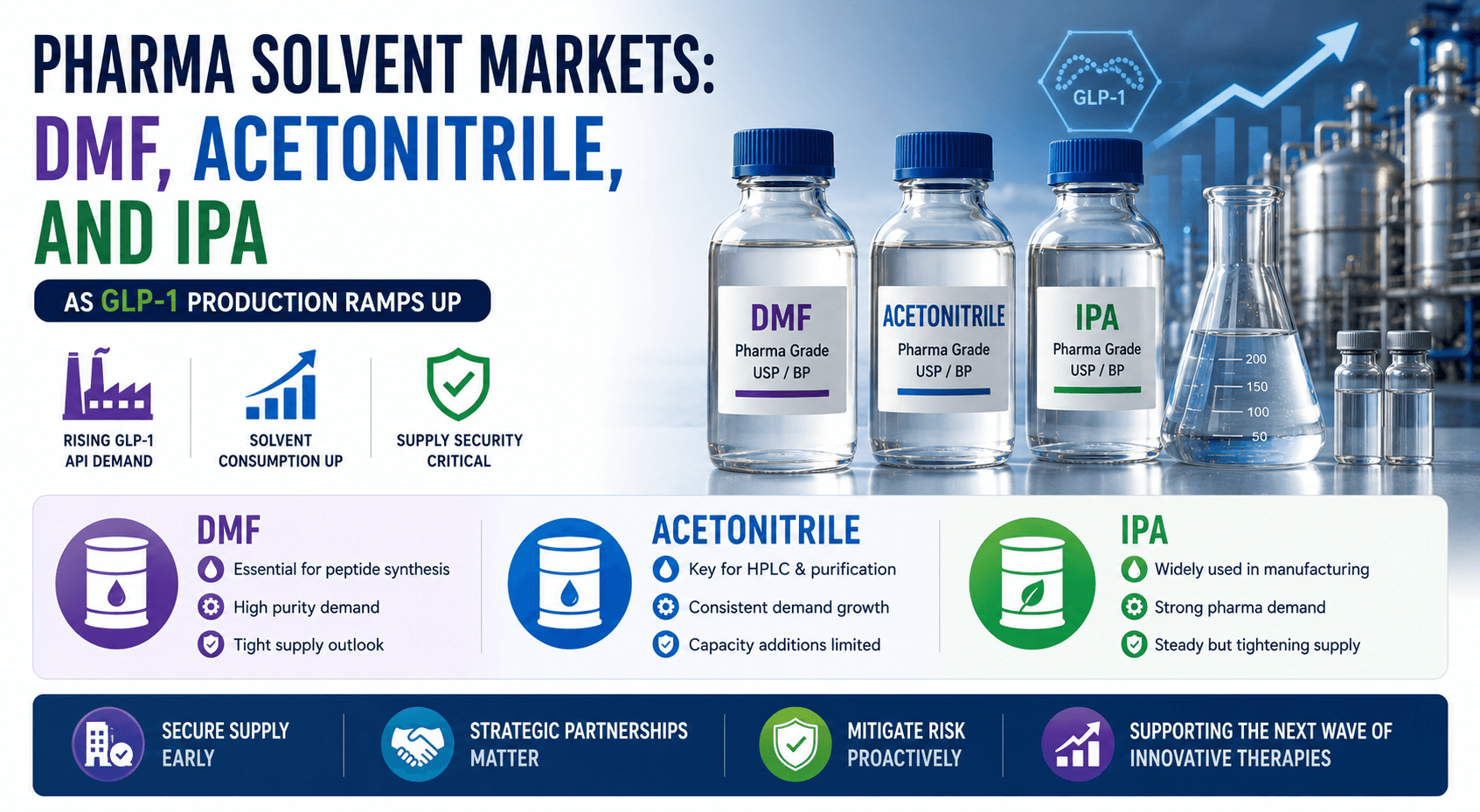
The specialty solvent acetonitrile has become a critical component in pharmaceutical manufacturing, particularly for the synthesis of active pharmaceutical ingredients (APIs). In 2026, the market is characterized by a pronounced supply-demand imbalance, driven by several key factors that continue to tighten the market.
Pharma API Expansion Fuels Demand
Pharmaceutical companies are ramping up production of complex APIs, especially those used in GLP-1 (glucagon-like peptide-1) therapeutics for diabetes and obesity. GLP-1 drugs require high-purity acetonitrile for extraction, chromatography, and purification steps. The surge in GLP-1 prescriptions, coupled with new product launches, has amplified the solvent’s demand trajectory.
Limited Acrylonitrile Output Restricts Production
Acrylonitrile is the raw material for acetonitrile synthesis. Global production capacity for acrylonitrile has plateaued due to regulatory constraints, aging infrastructure, and limited investment in new plants. Consequently, the feedstock for acetonitrile remains scarce, tightening the solvent’s supply chain.
Resulting Pricing Dynamics
Acetonitrile pricing in 2026 has seen a steady upward trend. Market analysts project a 12‑15% increase compared to 2025 levels, reflecting the tightness in supply and the rising cost of raw materials. Companies are now exploring alternative sourcing strategies and negotiating long-term contracts to mitigate price volatility.
Key Market Segments and Their Impact
The specialty solvents sector is diverse, but certain segments drive the most significant pressure on acetonitrile:
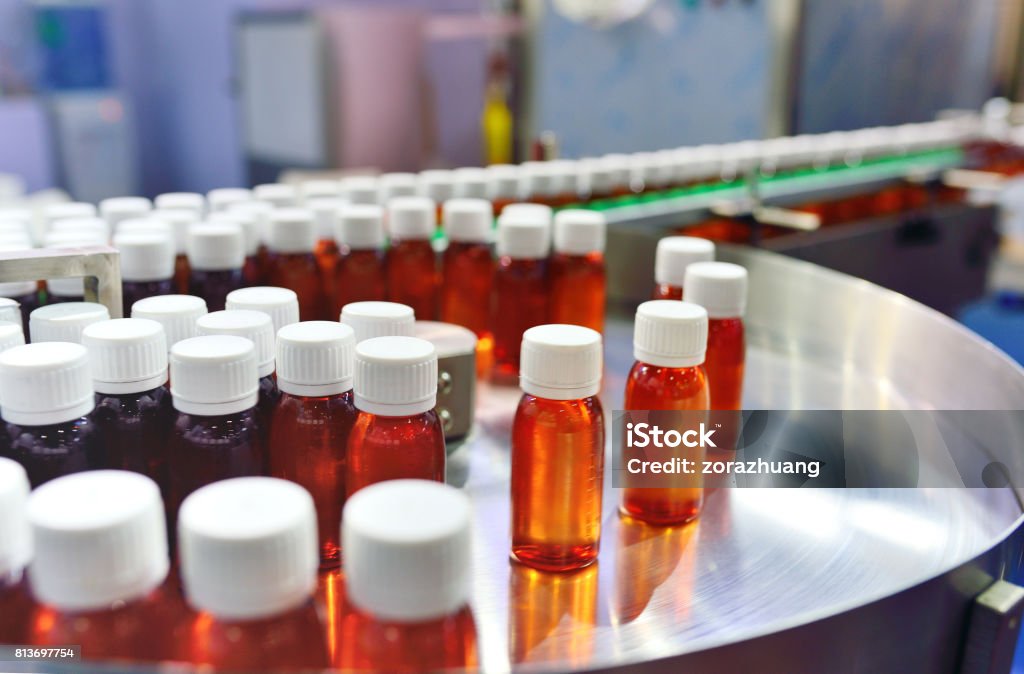
Pharmaceutical API Solvents: The most demanding sector, especially for GLP-1 drug manufacturing.
Biopharmaceuticals: Requires high-purity acetonitrile for downstream processing.
Analytical Chemistry: Uses the solvent for chromatography and spectrometry.
Electronics and Semiconductors: Consumes acetonitrile for cleaning and etching processes.
GLP-1 Manufacturing Chemicals: A Case Study
GLP-1 drugs, such as semaglutide and tirzepatide, have experienced a 30% growth in global sales over the past two years. The manufacturing processes for these peptides rely heavily on acetonitrile for:
Purification of peptide intermediates.
High-performance liquid chromatography (HPLC) solvent systems.
Extraction of impurities during downstream processing.
With the rapid expansion of GLP-1 production lines, the solvent demand has surged, creating a ripple effect across the acetonitrile market.
Strategic Responses to Market Tightness
Pharmaceutical and specialty solvent suppliers are adopting several strategies to navigate the tight market conditions:
Supply Chain Diversification: Sourcing from multiple acrylonitrile producers to reduce dependency on a single supplier.
Investment in New Production Capacity: Several chemical companies are announcing plans to build or upgrade acetonitrile plants.
Process Optimization: Implementing efficient solvent recovery and recycling systems to lower net consumption.
Long-Term Contracts: Securing fixed-price agreements to shield against short-term price volatility.
Recycling and Sustainability Initiatives
Recycling acetonitrile has emerged as a cost-effective and environmentally friendly solution. Advanced distillation and membrane technologies are being deployed to recover up to 95% of used solvent, reducing overall demand from the market and aligning with industry sustainability goals.
Future Outlook: 2027 and Beyond

Industry forecasts indicate that the acetonitrile market will continue to experience tightness through 2027, with a projected annual growth rate of 8% in demand. However, the supply side is expected to improve as new production facilities come online and recycling technologies mature.
Key drivers for this outlook include:
Continued expansion of GLP-1 and other peptide-based therapeutics.
Increased adoption of high-purity acetonitrile in biopharmaceutical manufacturing.
Regulatory incentives for green chemistry practices, boosting recycling adoption.
Potential development of alternative solvents with comparable performance.
Companies that proactively invest in supply chain resilience, process efficiency, and sustainability will be better positioned to capitalize on the evolving market dynamics.
Polyoxyethylene Lauryl Ether - Taiwan CAS: 9002-92-0