Most procurement professionals purchasing nylon 6,6 focus on resin specifications, quality approvals and finished polymer availability. However, the resilience of the nylon 6,6 supply chain depends much earlier in the manufacturing process, with two specialised chemical intermediates, adiponitrile and hexamethylene diamine (HMDA). These upstream materials receive far less attention than the finished polymer, yet they play a decisive role in global supply.
Unlike many commodity polymers with broad upstream manufacturing bases, nylon 6,6 relies on a precursor supply chain that is considerably more concentrated. Understanding where this concentration exists helps procurement teams evaluate supply continuity risks beyond the polymer producer itself.
How Nylon 6,6 Is Produced
Nylon 6,6 is manufactured through the polymerisation of hexamethylene diamine and adipic acid.
The production of HMDA, however, begins with another critical intermediate.
The simplified value chain follows this sequence:
Adiponitrile production.
Conversion of adiponitrile into HMDA.
Polymerisation of HMDA with adipic acid.
Production of nylon 6,6 resin.
Each stage depends on reliable upstream manufacturing capacity, making precursor availability essential for the entire value chain.
Adiponitrile Is the Critical Intermediate
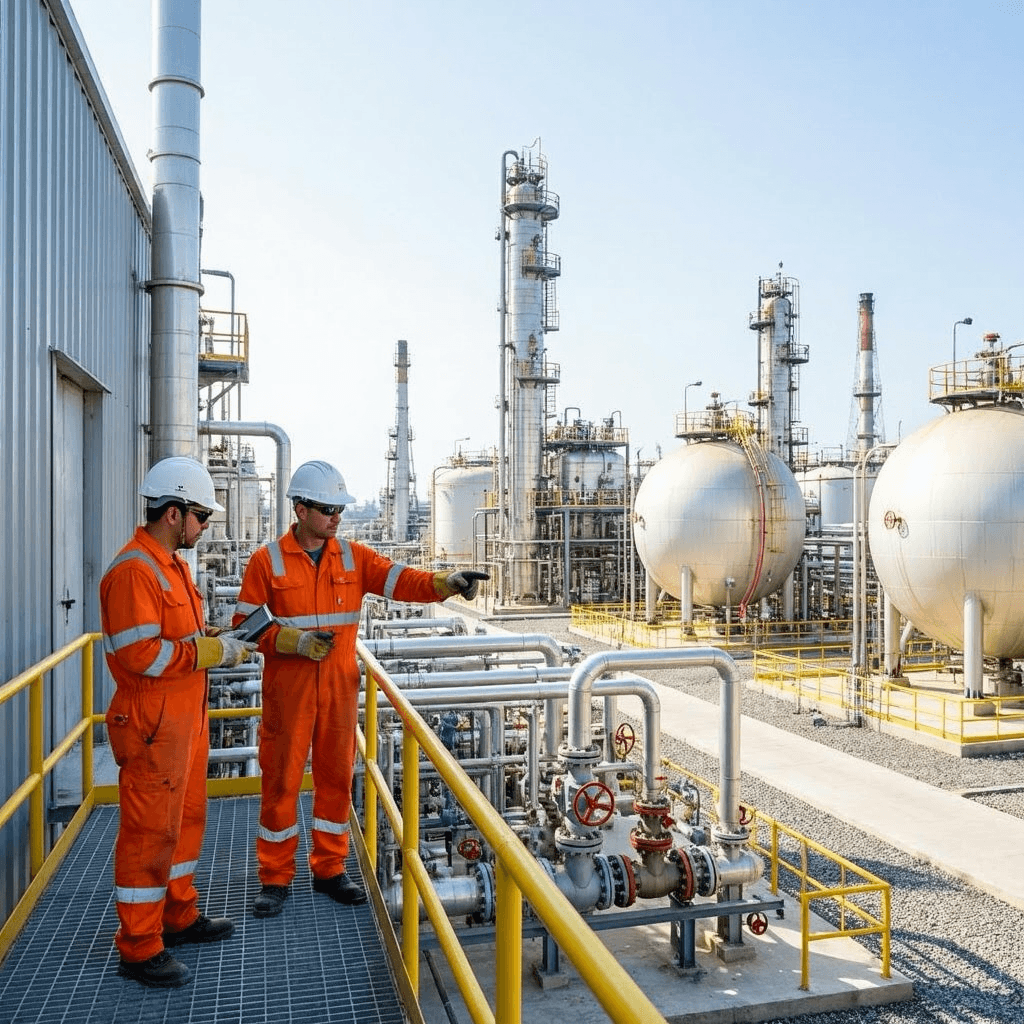
Adiponitrile is one of the most strategically important intermediates in nylon 6,6 production.
Although it represents only one step in the manufacturing process, its production requires sophisticated technology and significant capital investment.
Commercial production has historically relied on specialised electrochemical dimerisation processes that have created substantial barriers to market entry.
As a result, relatively few companies manufacture adiponitrile at commercial scale.
HMDA Connects the Upstream and Downstream Markets
Hexamethylene diamine serves as the direct building block used to produce nylon 6,6.
Once adiponitrile is converted into HMDA, manufacturers react it with adipic acid to form the polymer used across engineering plastics, fibres and industrial applications.
Because HMDA production depends on adiponitrile availability, any disruption in precursor supply can affect downstream nylon production even when polymerisation facilities remain fully operational.
For procurement professionals, this highlights the importance of understanding upstream integration rather than monitoring polymer plants alone.
Why Production Is Highly Concentrated
The global adiponitrile market is significantly more concentrated than many other chemical intermediates.
Invista and BASF have long been recognised as leading producers because of their expertise and proprietary electrochemical dimerisation technologies.
These technologies require extensive technical knowledge, specialised operating experience and substantial investment, making it difficult for new manufacturers to enter the market.
This concentration creates a supply structure that differs markedly from many commodity chemicals where numerous global producers compete.
Nylon 6,6 and Nylon 6 Have Different Supply Profiles
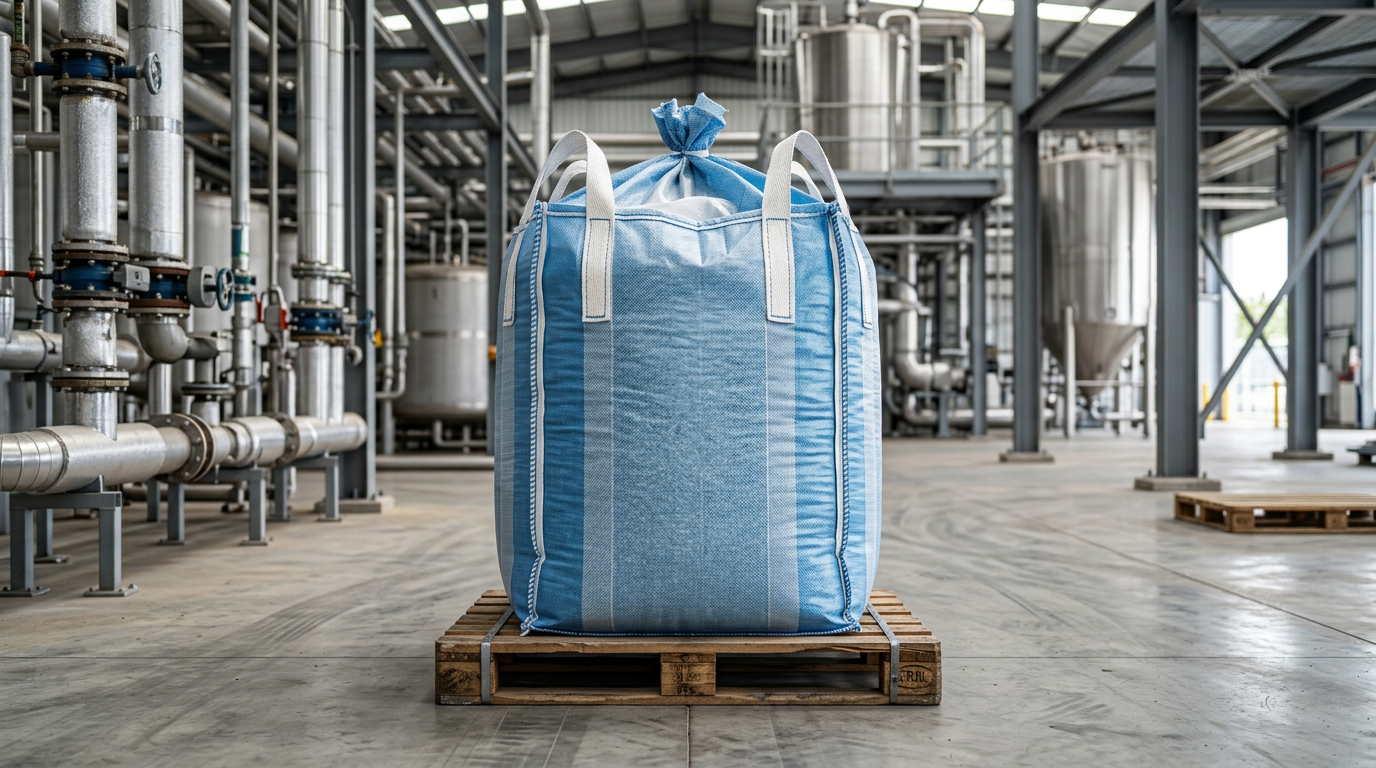
Although nylon 6 and nylon 6,6 often compete in similar applications, their upstream supply chains are fundamentally different.
Nylon 6 is produced from caprolactam, a chemical manufactured by a broader range of global producers.
Nylon 6,6, by contrast, depends on a more specialised precursor network.
This difference means procurement strategies suitable for nylon 6 may not fully address the risks associated with nylon 6,6 sourcing.
Understanding the distinction helps buyers assess supply resilience more accurately.
Why Automotive and Apparel Buyers Should Pay Attention
Many manufacturers purchase finished nylon 6,6 components without monitoring upstream chemical production.
However, industries that depend heavily on nylon 6,6 include:
Automotive manufacturing.
Electrical and electronic equipment.
Industrial engineering components.
Textile and apparel production.
High-performance industrial fibres.
Supply interruptions affecting adiponitrile or HMDA can eventually influence resin availability, lead times and downstream manufacturing schedules across these sectors.
Oligopoly Creates Different Procurement Risks
An oligopolistic precursor market does not necessarily imply unstable supply.
However, it does create procurement characteristics that differ from more diversified chemical markets.
These include:
Fewer qualified global producers.
Greater importance of producer operating reliability.
Limited opportunities for rapid supplier substitution.
Higher dependence on integrated production assets.
For procurement teams, supplier diversification may therefore require evaluating the entire value chain rather than only resin manufacturers.
Procurement Questions Worth Asking
When evaluating nylon 6,6 suppliers, buyers should consider several strategic questions.
These include:
Is the supplier integrated into HMDA production?
How secure are upstream adiponitrile supplies?
Does the producer operate multiple manufacturing locations?
What contingency plans exist for precursor disruptions?
How diversified is the supplier's raw material network?
Answers to these questions provide valuable insight into long-term supply resilience.
The Bottom Line for Procurement Teams
Adiponitrile and HMDA rarely receive the same attention as nylon 6,6 resin, yet they determine the strength of the entire supply chain. Their specialised manufacturing technologies and concentrated global production base create an upstream market that differs significantly from many other engineering polymers.
For procurement professionals, understanding this structure improves supply risk assessment and supplier evaluation. Looking beyond finished polymer availability and recognising the importance of precursor integration helps buyers build more resilient sourcing strategies for automotive, industrial and textile applications. Ready to source nylon 6,6 raw materials from verified global suppliers? Explore competitive offers on our platform today.
Nylon 6 CAS: 25038-54-4