Borax Decahydrate (Technical Grade) - Argentina CAS: 1303-96-4

Borax Decahydrate (Technical Grade) - Argentina CAS: 1303-96-4
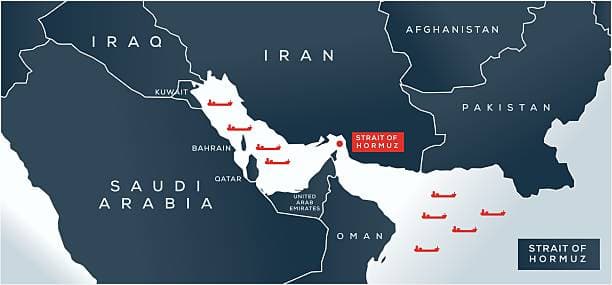
A 20% surcharge on cargo transiting the Strait of Hormuz would instantly hike shipping costs across the globe, reshaping freight rates and forcing shippers to rethink supply‑chain routes. This article breaks down the financial ripple effects on container, tanker, and chemical logistics, and explores strategic responses for businesses navigating this new risk landscape.
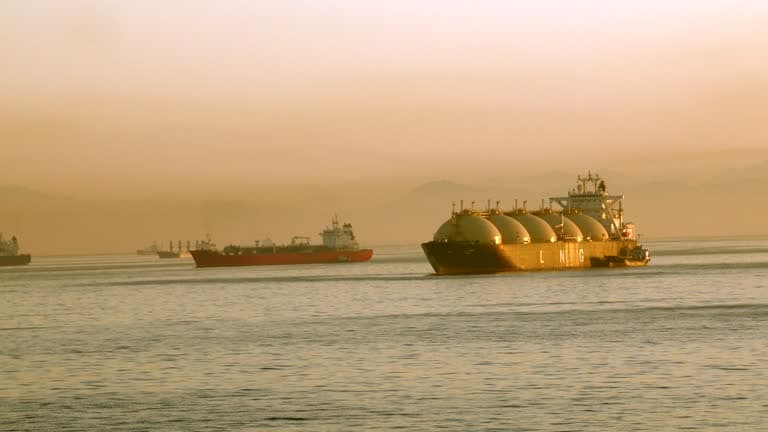
Insurance withdrawals can halt shipping through the Strait of Hormuz faster than any physical blockade. When insurers pull war‑risk coverage, tanker and chemical cargoes face costly delays, forcing operators to seek alternative routes or pay premium rates.
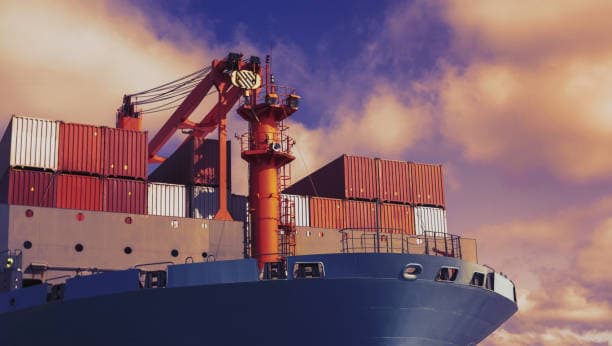
Renewed geopolitical tensions threaten to elevate freight rates once again, putting pressure on chemical shipping, fertilizer logistics, and procurement budgets. This article explains the drivers, the sectors most exposed, and strategies to mitigate the impact.
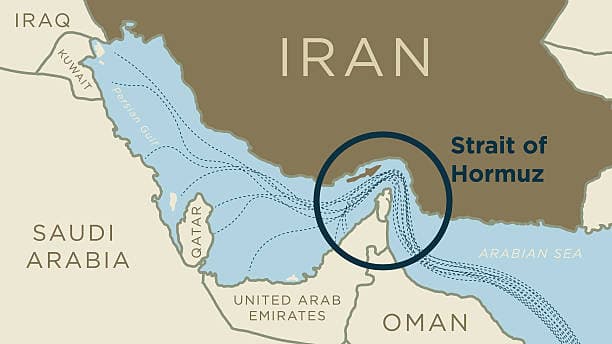
The Strait of Hormuz has seen fresh clashes that are once again cutting vessel transits, disrupting the flow of chemicals and fertilizers. These tensions elevate freight risk and threaten the stability of the global supply chain.
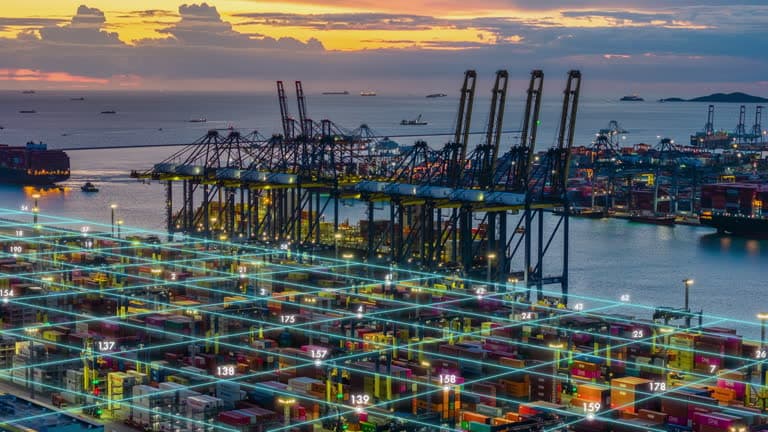
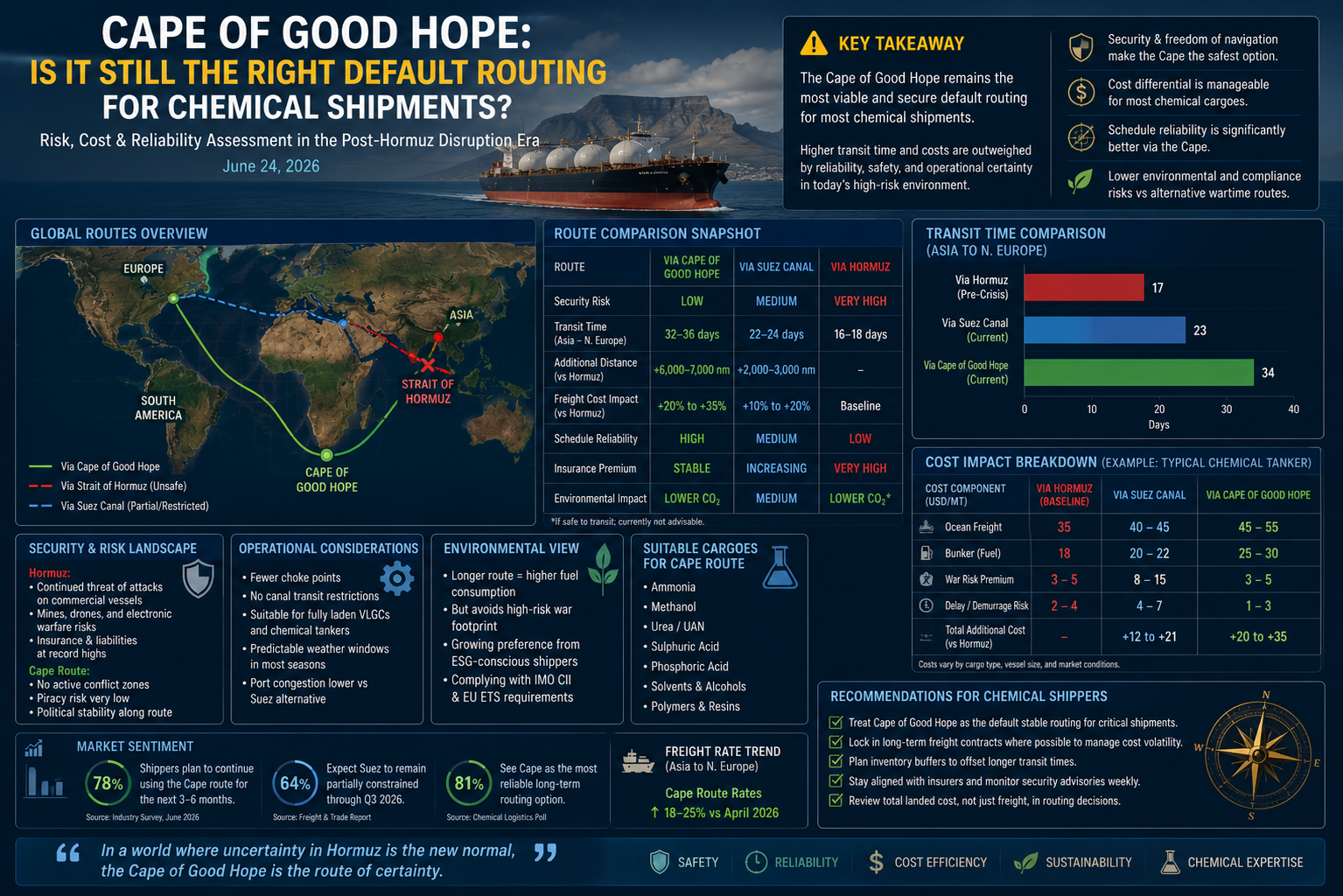
Get the latest chemical logistics updates for this week, covering UK trade remedies, PFAS compliance, the Solstice acquisition, Velogy and Aequita moves, Cape of Good Hope freight shifts, and force majeure documentation. Stay ahead with our concise analysis.
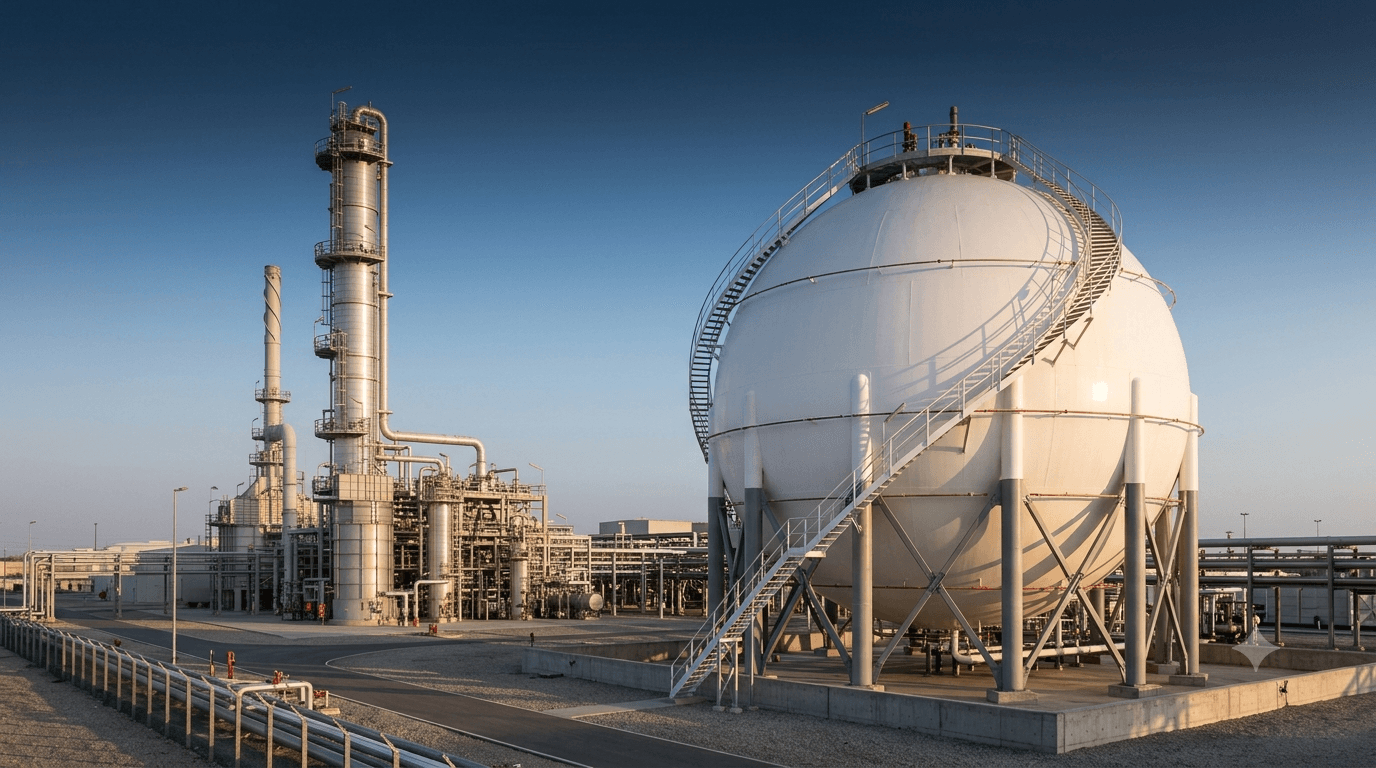
Wood Mackenzie's latest market assessment suggests the Hormuz disruption could permanently reshape global chemical production. Procurement teams that identify supplier risks early and qualify alternative sources now will stand in a stronger position as supply tightens.
We're committed to your privacy. Tradeasia uses the information you provide to us to contact you about our relevant content, products, and services. For more information, check out our privacy policy.