Related Insights

One Big Beautiful Bill Act: How US Tax Policy Is Reshaping Chemical Industry Investment in 2026
The H.R.1 One Big Beautiful Bill Act has become an important factor influencing capital allocation across the US chemical industry. Procurement teams, investors and manufacturers should understand how tax policy can affect production capacity, supply chains and long-term sourcing decisions.

EPA Endangerment Finding Reconsideration: What the Greenhouse Gas Policy Reversal Means for Chemical Manufacturers
The EPA Endangerment Finding reconsideration could reshape the legal foundation of greenhouse gas regulation in the United States. Chemical manufacturers, procurement teams and industrial buyers should understand how this policy shift may influence compliance strategies, investment decisions and future operating costs.
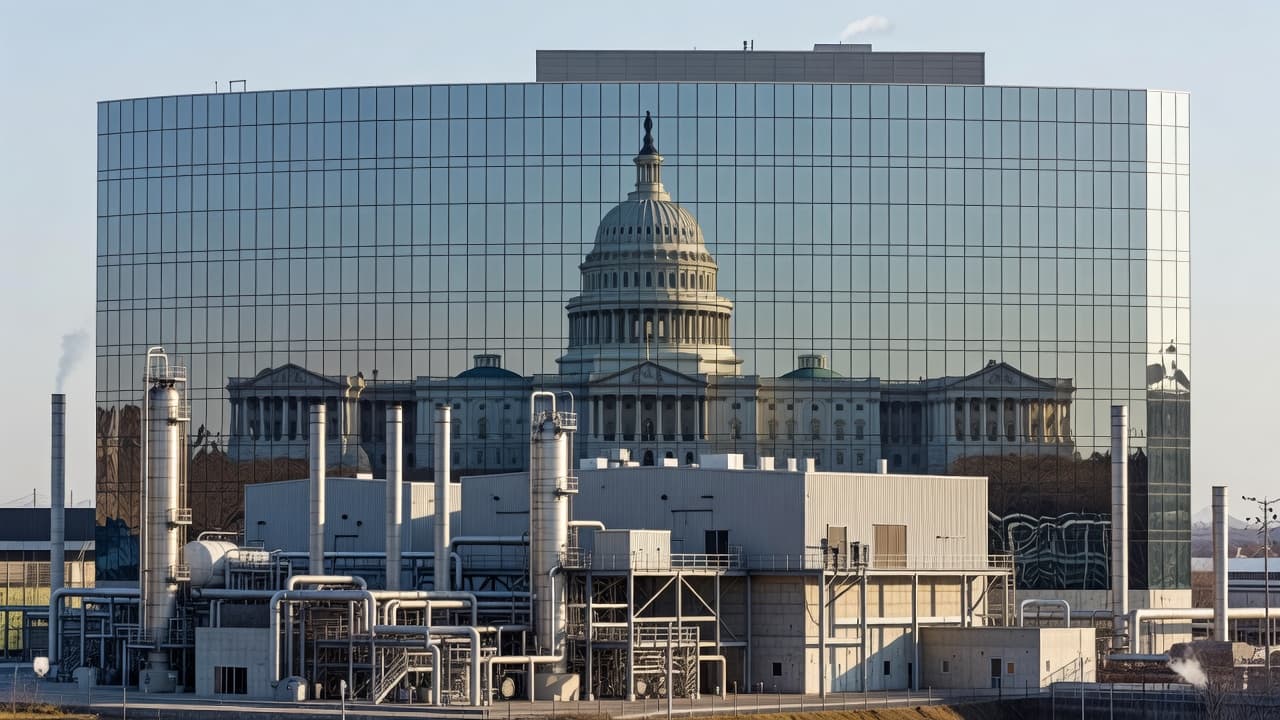
One Big Beautiful Bill Act: What US Chemical Companies Need to Know About the New Policy Landscape
US industrial policy continues to evolve alongside environmental regulation. This article explains how the One Big Beautiful Bill Act fits into the broader policy environment influencing chemical manufacturing, investment planning and regulatory compliance.

PFAS Post-Hearing: Building Your July 20 Comment Strategy
The EPA's PFAS public hearing has concluded, but the written comment period remains open until July 20. For chemical procurement professionals, well-supported written submissions can have a greater influence on the rulemaking record than hearing testimony alone.

Sustainability in Chemical Procurement: Frameworks, Standards, and What "Credible" Looks Like
Sustainability claims have become common across the chemical industry, but not all certifications provide the same level of assurance. This guide explains the leading sustainability frameworks and helps procurement teams evaluate supplier claims with greater confidence.
CBAM Transition: Post-Hormuz Energy Cost Normalization in Europe Partially Offsets Carbon Border Pressure
A 2026 Renewable Carbon Initiative study highlights ongoing EU policy gaps affecting bio-based chemicals. Despite circular economy ambitions, inconsistencies in sustainability definitions, certification frameworks, and CBAM treatment continue to create uncertainty for renewable carbon investment decisions.
Don't miss out on our updates! Subscribe to our newsletter now
We're committed to your privacy. Tradeasia uses the information you provide to us to contact you about our relevant content, products, and services. For more information, check out our privacy policy.