A single diplomatic meeting rarely influences global chemical trade as directly as today's Doha talks. With negotiations between the United States and Iran taking place against a backdrop of elevated maritime security concerns, procurement teams across the chemical industry are watching every update. The outcome could influence shipping confidence, freight pricing and inventory planning throughout the third quarter.
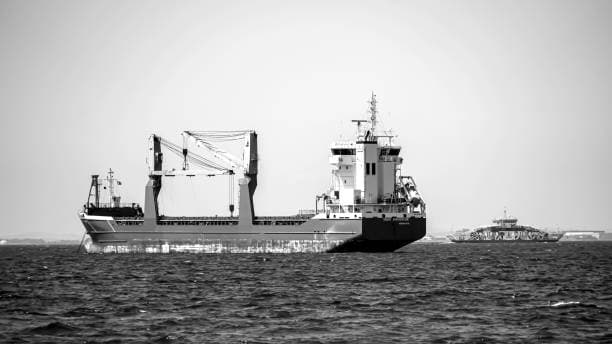
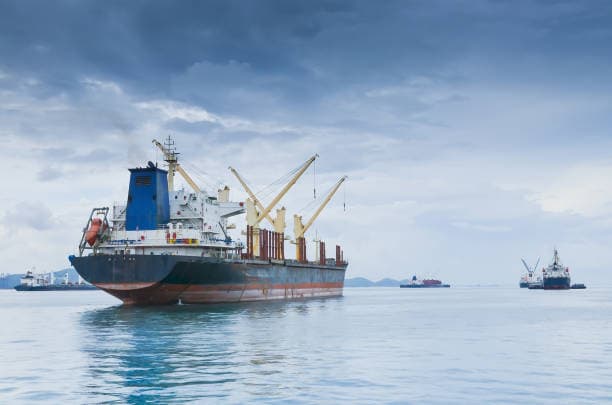
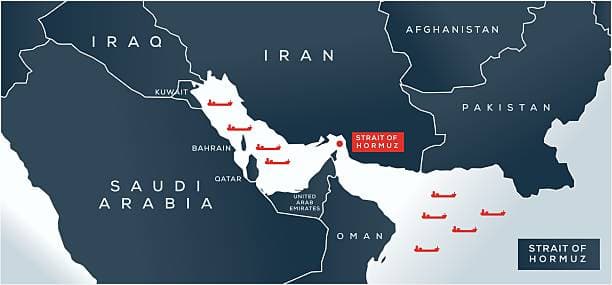
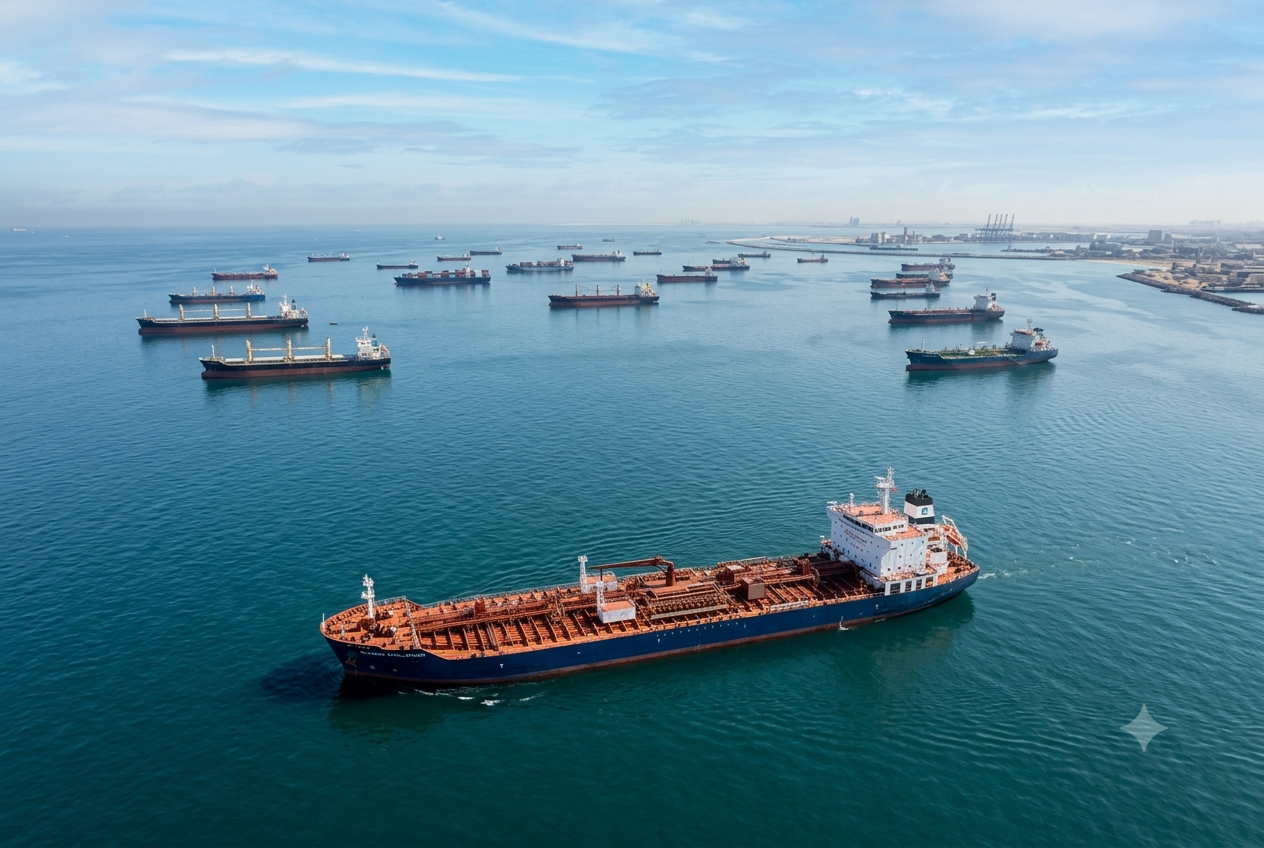
The market enters today's discussions under unusual pressure. The UK Maritime Trade Operations has increased its regional threat assessment, hundreds of commercial vessels remain anchored or waiting across Gulf waters and major container carriers continue to route around the Cape of Good Hope rather than through the Strait of Hormuz. For chemical buyers, today's developments may quickly translate into operational decisions.
Why Today's Doha Talks Matter for Chemical Shipping Logistics
Chemical supply chains depend on predictable maritime transport. When security conditions change around one of the world's busiest energy corridors, logistics managers immediately reassess routing, transit times and inventory requirements.
Today's negotiations matter because they could influence market confidence in several ways.
A positive diplomatic outcome could reduce concerns about further escalation and encourage shipping companies to review future routing strategies.
A breakdown in negotiations may reinforce existing security concerns, keeping carriers committed to longer alternative routes through the end of the year.
Even without an immediate agreement, constructive dialogue may lower market anxiety and reduce speculation across freight markets.
The chemical industry reacts quickly because many production facilities rely on steady imports of feedstocks, intermediates and specialty chemicals arriving on predictable schedules.
The Current State of Gulf Maritime Operations
Recent weeks have demonstrated how quickly shipping conditions can change.
Following security incidents involving commercial vessels, maritime authorities increased their threat assessments. Ship operators now face additional monitoring requirements, longer voyage planning and higher insurance considerations before entering sensitive waterways.
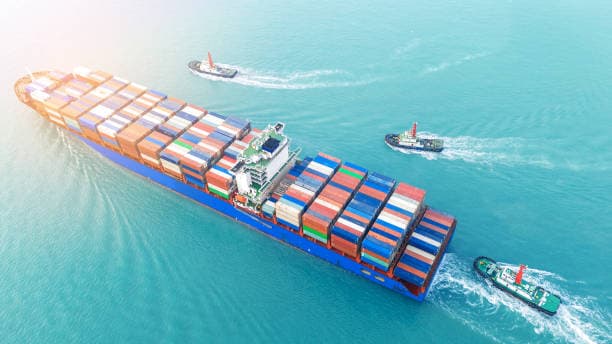
Several of the world's largest container carriers continue to avoid normal Gulf transit routes. Their current strategy reflects operational caution rather than purely economic considerations.
For procurement professionals, this means longer transportation lead times have become part of routine planning rather than temporary exceptions.
Why Major Container Carriers Remain Cautious
Shipping companies rarely alter established routes unless they see sustained improvements in operating conditions.
Current routing decisions reflect several commercial realities.
Crew safety remains the highest operational priority for international shipping companies.
Marine insurers continue evaluating regional risk, affecting voyage costs and vessel deployment decisions.
Port scheduling becomes more predictable when carriers follow established diversion routes instead of frequently changing operational plans.
Even if today's Doha discussions produce encouraging headlines, carriers will likely seek evidence of lasting stability before making significant routing adjustments.
What Chemical Importers Should Watch During Today's Negotiations
Procurement teams should focus less on political language and more on signals that directly affect commercial shipping.
Important indicators include:
Statements that reduce the likelihood of future maritime incidents.
Announcements involving maritime security cooperation.
Evidence of continued diplomatic engagement beyond today's meeting.
Reactions from international shipping companies over the following several days.
These practical developments often influence freight markets more than the initial political announcements themselves.
How Extended Cape Routing Changes Chemical Supply Chains
Routing around the Cape of Good Hope adds significant distance compared with traditional Gulf passages.
Longer voyages create several operational challenges.
Inventory stays on the water for more days, increasing working capital requirements.
Manufacturers receive raw materials later, making production scheduling more difficult.
Importers must forecast demand further in advance because replenishment becomes less flexible.
Exporters experience longer delivery commitments, affecting customer expectations.
These factors become especially important for chemicals that support continuous manufacturing operations.
Which Chemical Markets Feel the Greatest Impact
Not every chemical product experiences the same level of disruption.
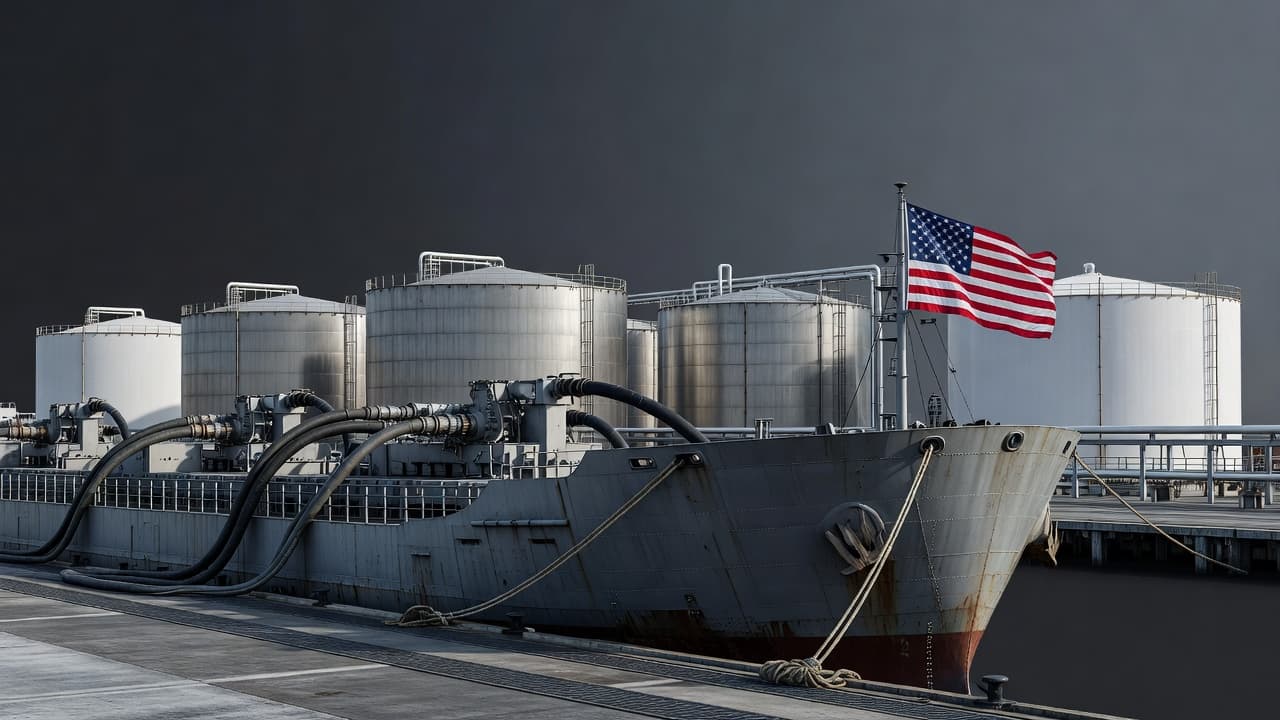
Products closely connected with Gulf production capacity or regional export terminals generally face greater logistics exposure.
These include:
Methanol, an important feedstock for numerous downstream chemical processes.
Ammonia, which supports fertilizer production and industrial manufacturing.
Sulphur, widely traded across global agricultural and industrial markets.
Various petrochemical intermediates that move between Middle Eastern producers and manufacturers in Asia, Europe and Africa.
Longer shipping routes increase transportation costs for bulk commodities where freight represents a meaningful portion of delivered pricing.
Freight Costs and Procurement Planning
Freight markets respond to uncertainty as much as actual disruption.
When carriers commit additional vessels to longer routes, available shipping capacity tightens. Equipment repositioning also becomes more complicated, influencing container availability across multiple regions.
Procurement managers should prepare for several possible outcomes.
If negotiations improve market confidence, freight rates may stabilize before any physical routing changes occur.
If uncertainty continues, carriers may maintain current pricing assumptions through the remainder of the quarter.
If security conditions deteriorate, additional surcharges or operational restrictions could emerge.
The timing of these changes often matters as much as the changes themselves.
Managing Procurement Risk During Uncertain Logistics Conditions
Companies that perform well during shipping disruptions usually rely on preparation rather than prediction.
Several practical actions deserve attention.
Review inventory coverage for critical imported chemicals before existing stock reaches minimum levels.
Confirm supplier production schedules instead of assuming normal shipment timing.
Discuss alternative loading ports where suppliers have operational flexibility.
Evaluate multiple transportation options instead of depending on a single carrier.
Monitor freight updates daily while diplomatic developments continue.
These measures improve resilience regardless of the final outcome of today's negotiations.
Why Q3 Decisions Depend on Today's Signals
The third quarter traditionally supports high industrial activity across many chemical consuming sectors.
If shipping confidence improves, procurement teams may gain greater flexibility when placing orders for late summer and early autumn deliveries.
If uncertainty remains elevated, buyers may continue building additional inventory while accepting longer transportation schedules.
This makes today's Doha discussions particularly important because they arrive before many companies finalize their Q3 purchasing plans.
What Buyers Should Do Now
Diplomatic meetings rarely produce immediate operational changes, yet they often establish the direction that commercial markets follow over the coming weeks.
Chemical buyers should monitor trusted industry news sources throughout the day while maintaining close communication with suppliers, freight forwarders and logistics partners. Early awareness allows procurement teams to respond faster if carriers revise their routing guidance or shipping schedules.
Companies that combine disciplined inventory planning with flexible sourcing strategies will remain better positioned regardless of today's outcome. While markets hope for improved stability, supply chain resilience continues to depend on careful planning rather than optimistic assumptions.
Ready to source chemical products from verified global suppliers? Explore competitive offers on our platform today.
Methanol CAS: 67-56-1