
Related Insights
War‑Risk Insurance for Chemical & Fertilizer Tankers Set to Surge Again
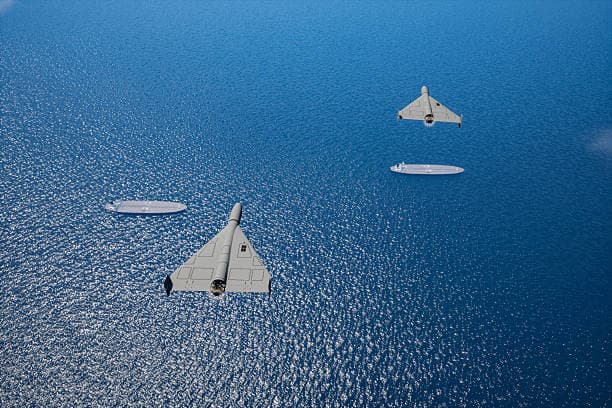
War‑risk insurance premiums for chemical and fertilizer tankers are poised to climb sharply, raising freight costs and forcing shippers to rethink logistics strategies. The new price surge reflects heightened conflict risks in key shipping lanes and a tightening supply of under‑insured vessels. Companies must now balance cost, safety and supply chain resilience in a volatile market.
Reinstated Hormuz Blockade: 20% Cargo Fee Impact on Global Shipping Costs
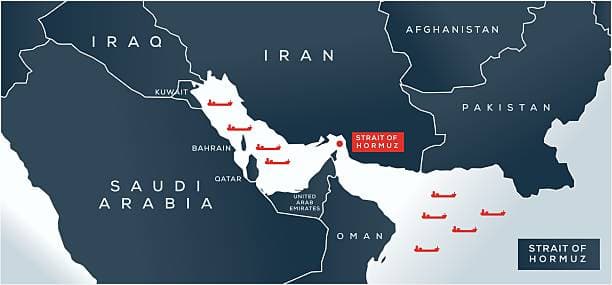
A 20% surcharge on cargo transiting the Strait of Hormuz would instantly hike shipping costs across the globe, reshaping freight rates and forcing shippers to rethink supply‑chain routes. This article breaks down the financial ripple effects on container, tanker, and chemical logistics, and explores strategic responses for businesses navigating this new risk landscape.
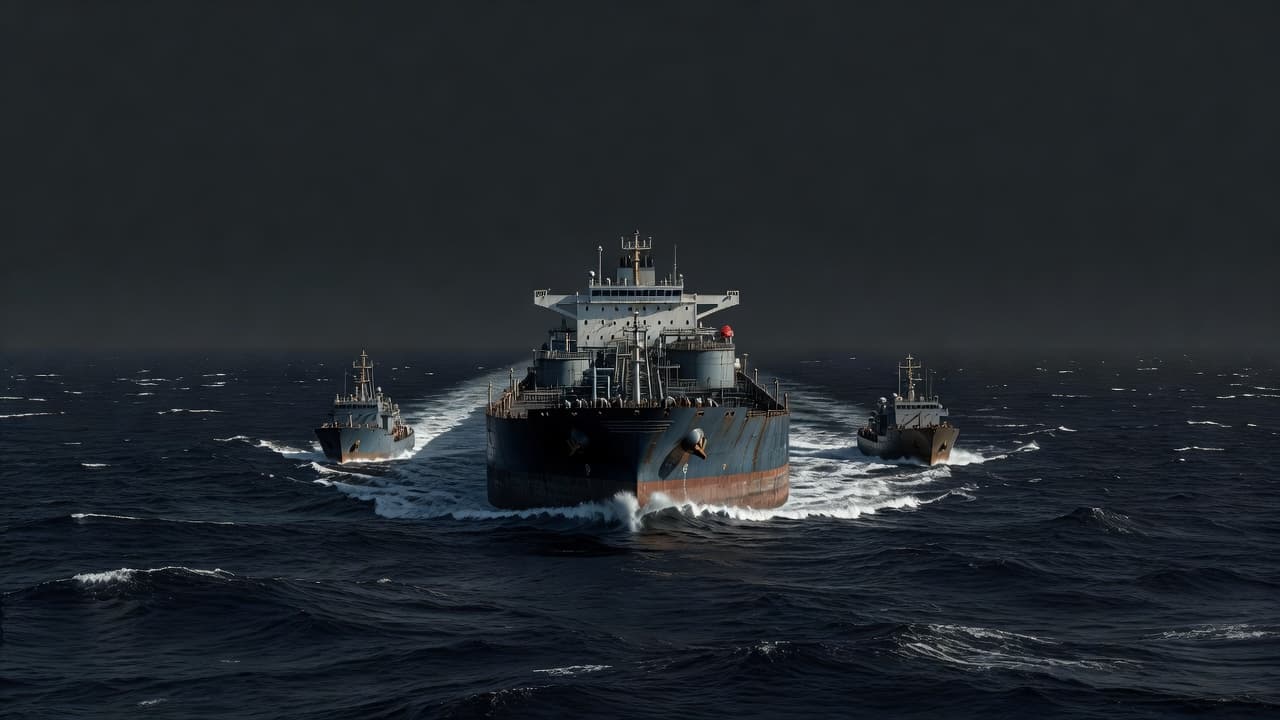
War-Risk Insurance Under Scrutiny: What Rising Gulf Premiums Mean for Chemical Trade
War-risk insurance premiums surged by around 50% during the earlier Gulf disruption, increasing logistics costs for chemical shipments. Procurement and compliance teams should understand how insurance pricing and regulatory oversight can influence sourcing decisions and freight budgets.
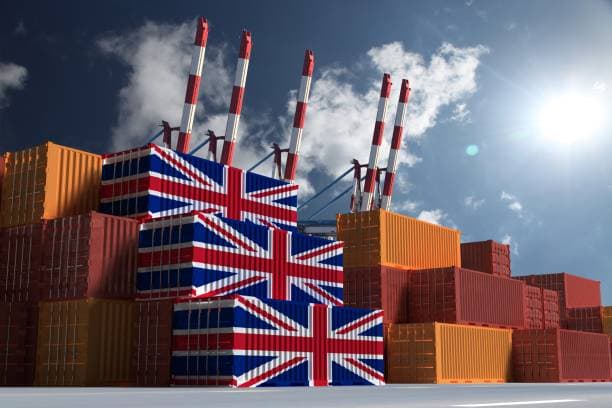
UK Joins Hormuz Escort Coalition to Secure Gulf Chemical Trade
The UK’s entry into the Hormuz escort coalition is set to slash war‑risk insurance costs and strengthen supply chains for Gulf‑origin chemical imports in H2 2026. By bolstering maritime security, Britain can ensure safer, more reliable logistics for its critical chemical sector.
The Nine Carrier Convoy Posture Update: Who Is Escorted, Who Is Rerouting, Who Is Suspended
Global shipping has entered a more nuanced operational phase as convoy operations begin supporting selected Gulf transits. While the world's largest container carriers continue relying on Cape of Good Hope routing, convoy participation is creating a different recovery pathway for chemical tankers and bulk carriers already positioned inside the Gulf.
The 22,500 Mariners Stranded in the Gulf: What the Hormuz Human Cost Means for Chemical Procurement
More than 22,500 mariners remain stuck on over 1,550 vessels in the Persian Gulf, a human crisis behind every delayed chemical shipment. For procurement teams sourcing from Gulf producers, this is no longer a distant headline but a direct line item in supply chain risk.
Don't miss out on our updates! Subscribe to our newsletter now
We're committed to your privacy. Tradeasia uses the information you provide to us to contact you about our relevant content, products, and services. For more information, check out our privacy policy.