Citrus Pulp CAS: 94266-47-4
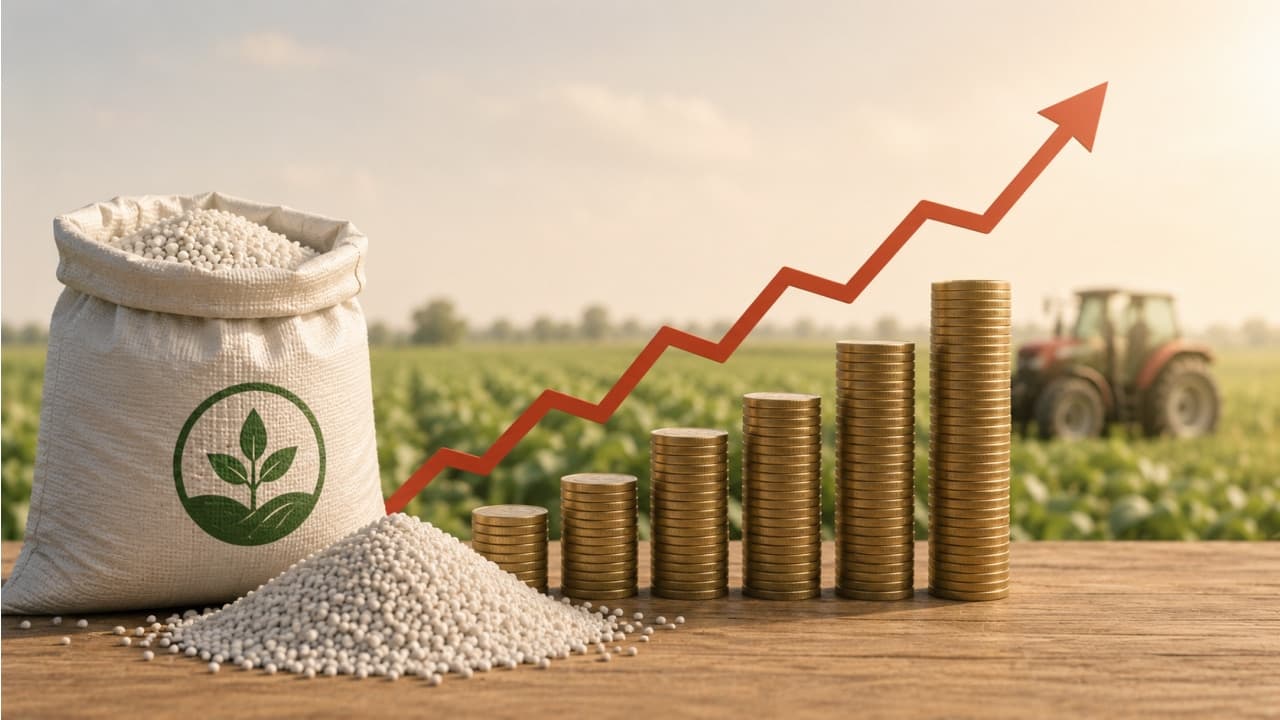
Government efforts to improve fertilizer affordability continue despite renewed market volatility. Procurement professionals and agricultural businesses should understand how long-term policy initiatives can strengthen supply resilience even when short-term prices remain elevated.
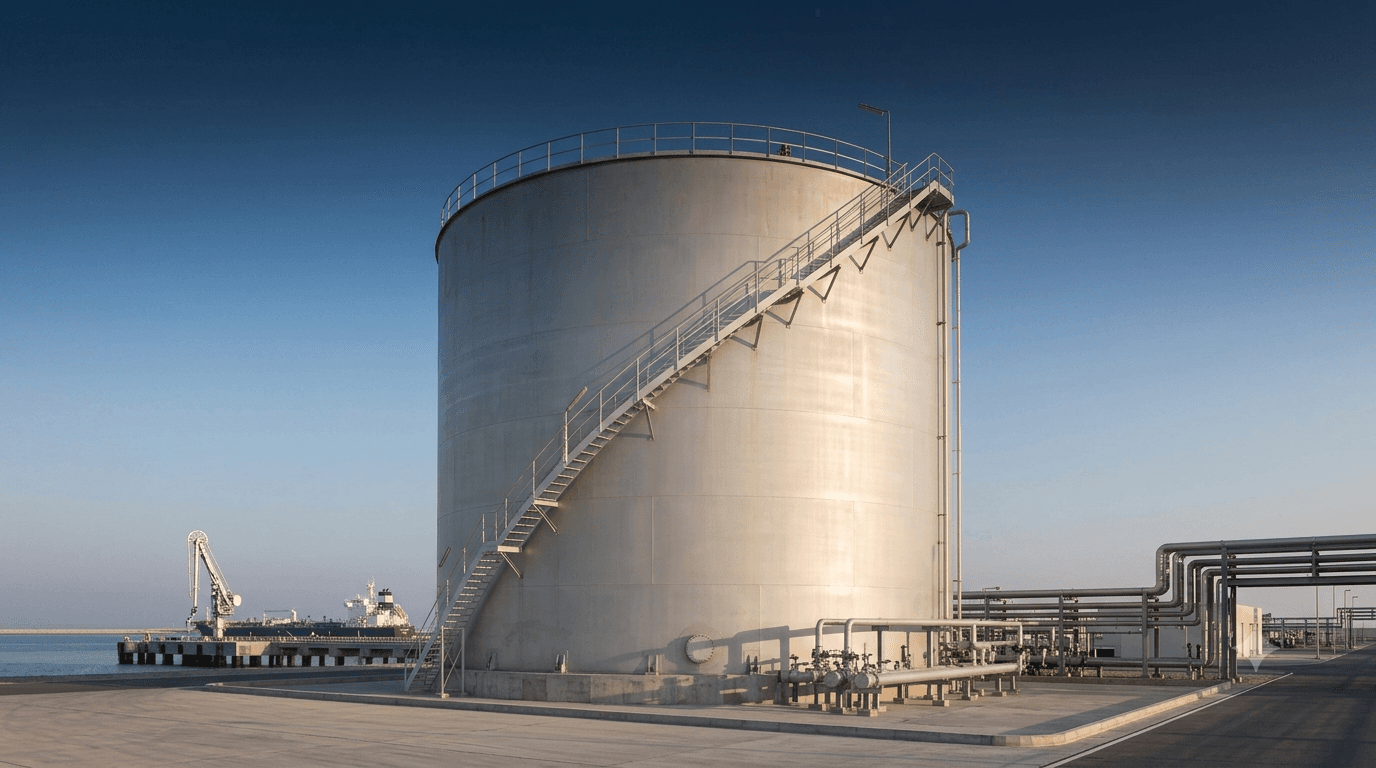
Asian petrochemical producers are reshaping their naphtha sourcing strategies after major supply disruptions exposed concentration risks. This analysis explains why diversified procurement has become a long-term competitive advantage for buyers across the region.
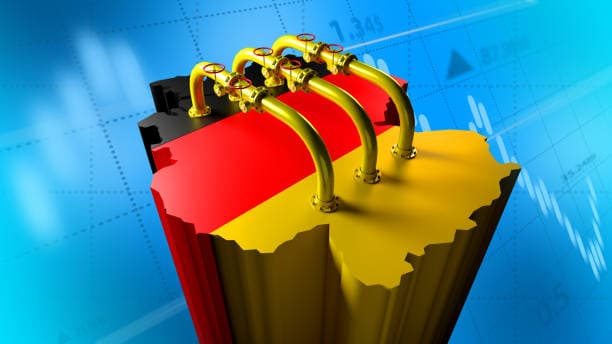
The upcoming VCI Q2 2026 report underscores a sharp decline in German chemical production, driven by soaring feedstock costs and weak domestic demand. Naphtha‑based downstream plants are hit hardest, while export disruptions to Asia and the Gulf further strain utilization rates. For buyers, the data offers critical insight into supplier stability and pricing dynamics across Europe.
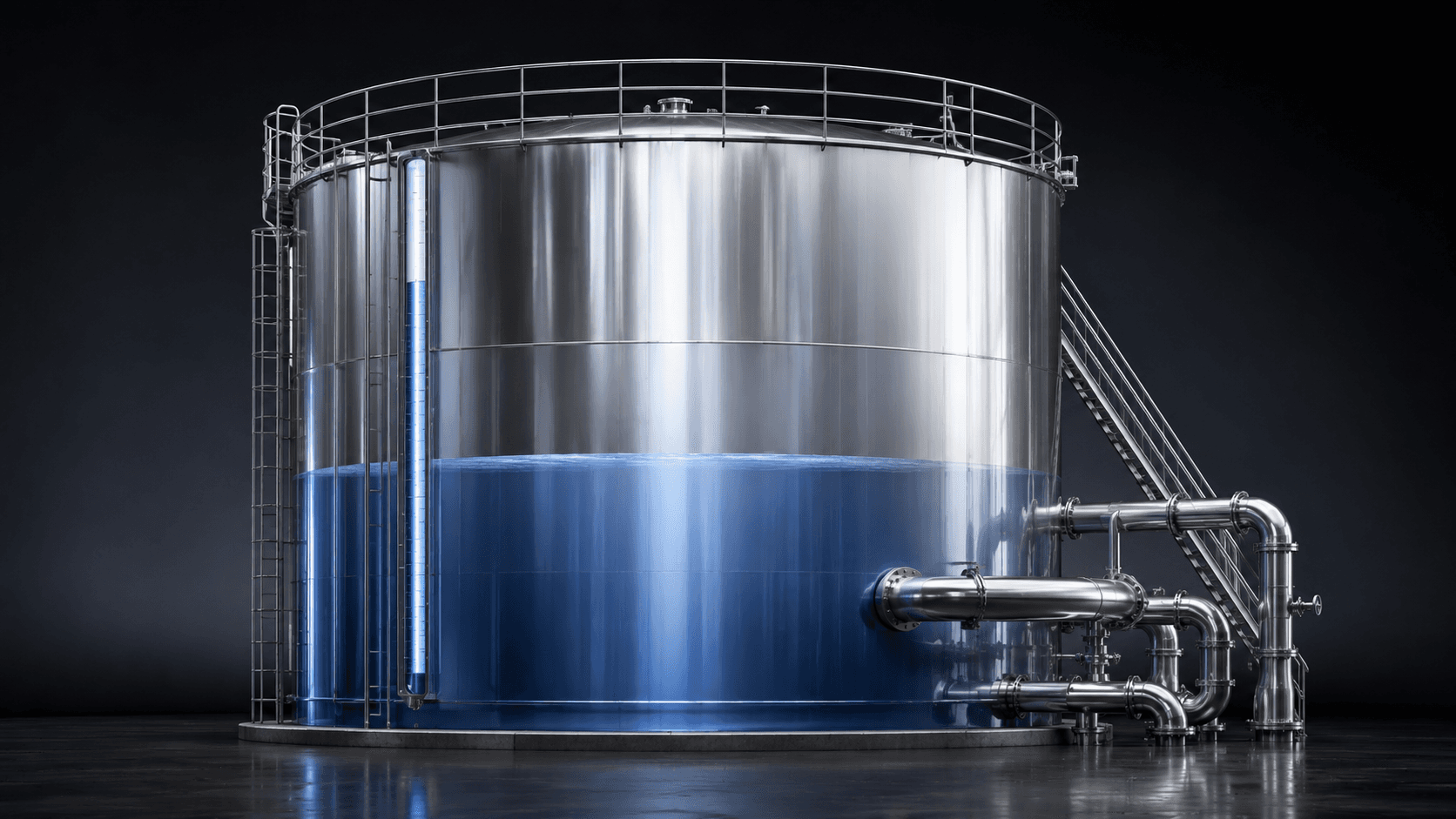
Methanol markets have experienced some of the most severe disruptions during the Hormuz crisis due to their heavy dependence on Gulf export routes. As signs of supply normalization emerge after the Bürgenstock agreements, buyers and producers must reassess Q3 pricing expectations and procurement strategies.
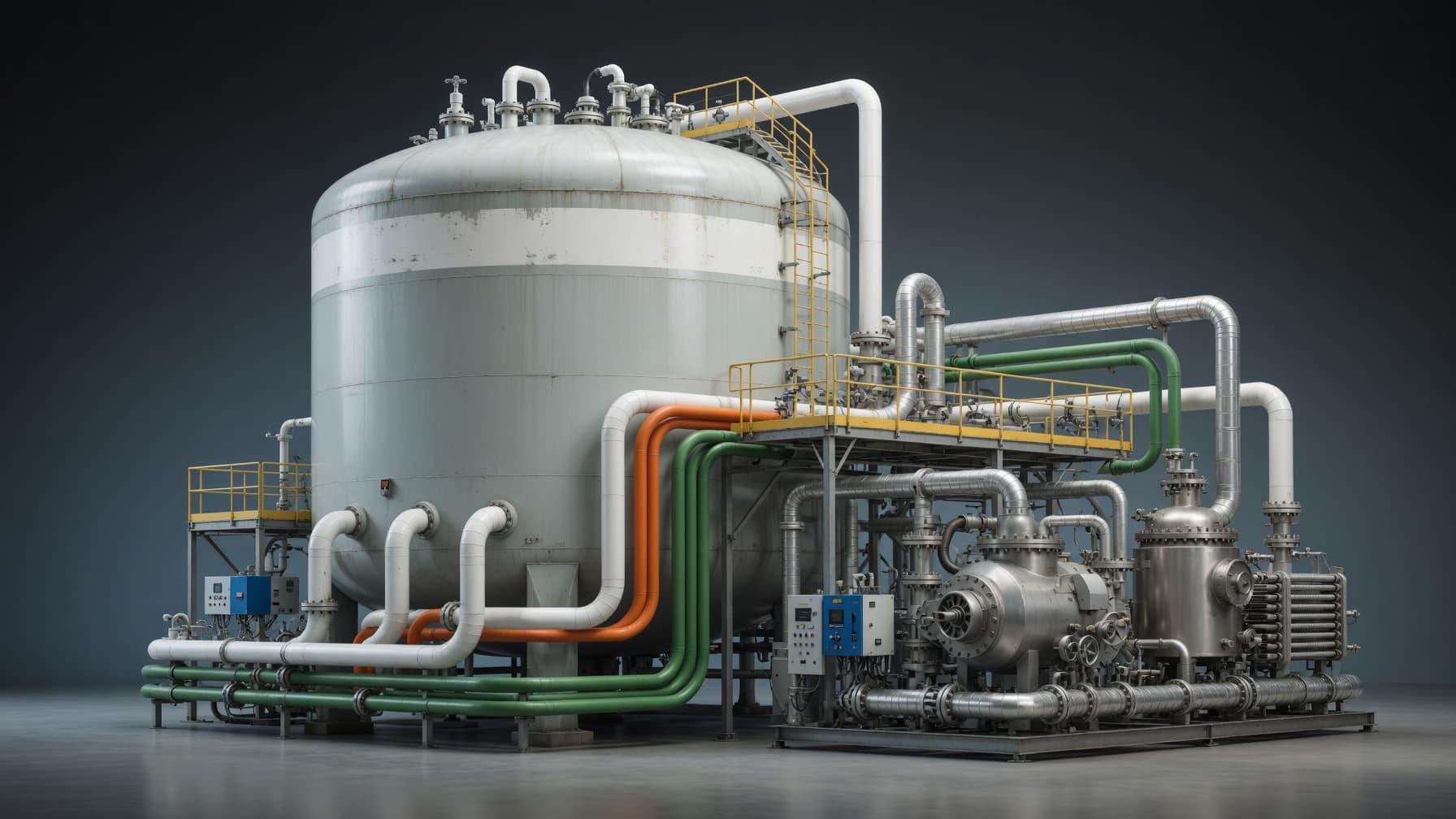
The nylon 6 supply chain faces renewed pressure after LEUNA-Polyamid entered insolvency proceedings, creating uncertainty for European caprolactam production. Buyers should reassess sourcing strategies as specialty chemical capacity remains under pressure.

As the Hormuz crisis reshapes global oil flows, India’s ONGC is evaluating Venezuelan crude to secure feedstock for its expanding refinery network. This move signals a broader strategy to diversify imports and stabilize the country’s petrochemical supply chain by 2026.
We're committed to your privacy. Tradeasia uses the information you provide to us to contact you about our relevant content, products, and services. For more information, check out our privacy policy.