Related Insights
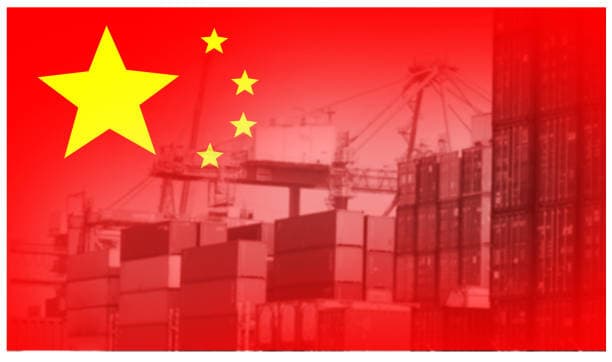
China's 2025 Export Restrictions Still Echo Through 2026 Fertilizer Logistics
China’s early 2025 export curbs are reshaping global fertilizer flows into 2026, forcing shippers to rethink routes, sourcing and inventory. The ripple effects touch every corner of the supply chain, from African farms to European ports.

Japan's Agrochemical Pivot Toward India: Following the Solar Materials Playbook
As Japanese chemical makers redirect investment from China to India across sectors like solar materials, agrochemical suppliers are watching whether a similar shift plays out in crop protection. For procurement teams managing fungicide, herbicide and insecticide portfolios, understanding whether this geographic pivot extends to agricultural chemicals matters for supply chain planning and sourcing strategy.
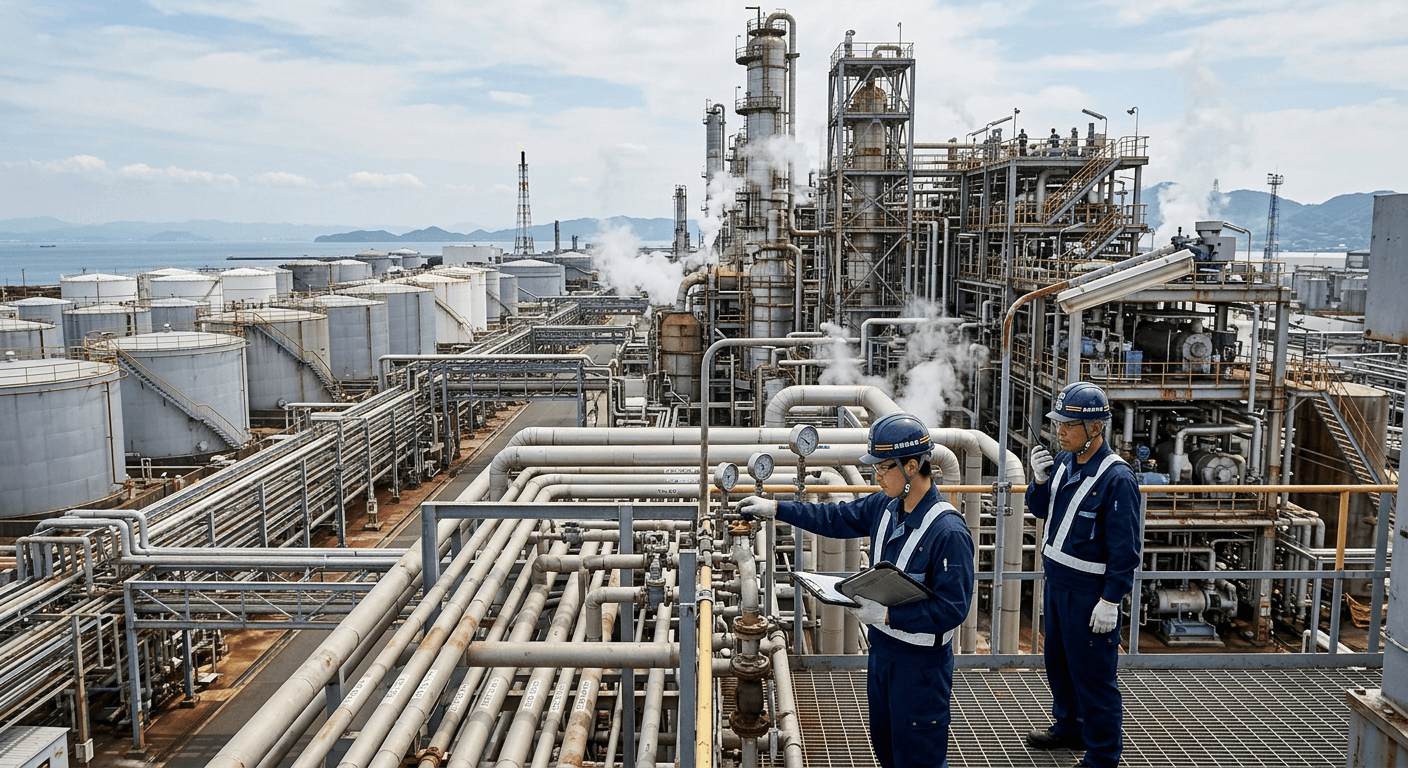
Methanol Supply Risk in Q3 2026: What Hormuz Shipping Data Means for Buyers
Methanol buyers are facing a critical Q3 planning challenge as Strait of Hormuz transit remains far below normal levels. Physical shipping data now matters more than diplomatic signals when assessing supply availability and pricing risk.

AIS Data vs Headline Status: Why Strait of Hormuz "Closure" Claims Can Mislead Chemical Supply Chains
Headline reports often describe the Strait of Hormuz as closed during periods of military escalation, but AIS vessel tracking frequently tells a different story. This analysis explains why chemical traders and procurement teams should rely on verified shipping movements instead of political rhetoric when managing logistics, sourcing and freight risk.

Iran’s IRGC Attacks Prompt Redefinition of Chemical Supply Chains
The IRGC’s recent strikes on the "Ever Lovely" and "Kiku" tankers expose a stark contradiction between Iran’s foreign ministry and its armed forces. This internal conflict forces global chemical buyers to reassess the safety and legality of sourcing from Iranian petrochemicals amid shifting export waivers and maritime threats.
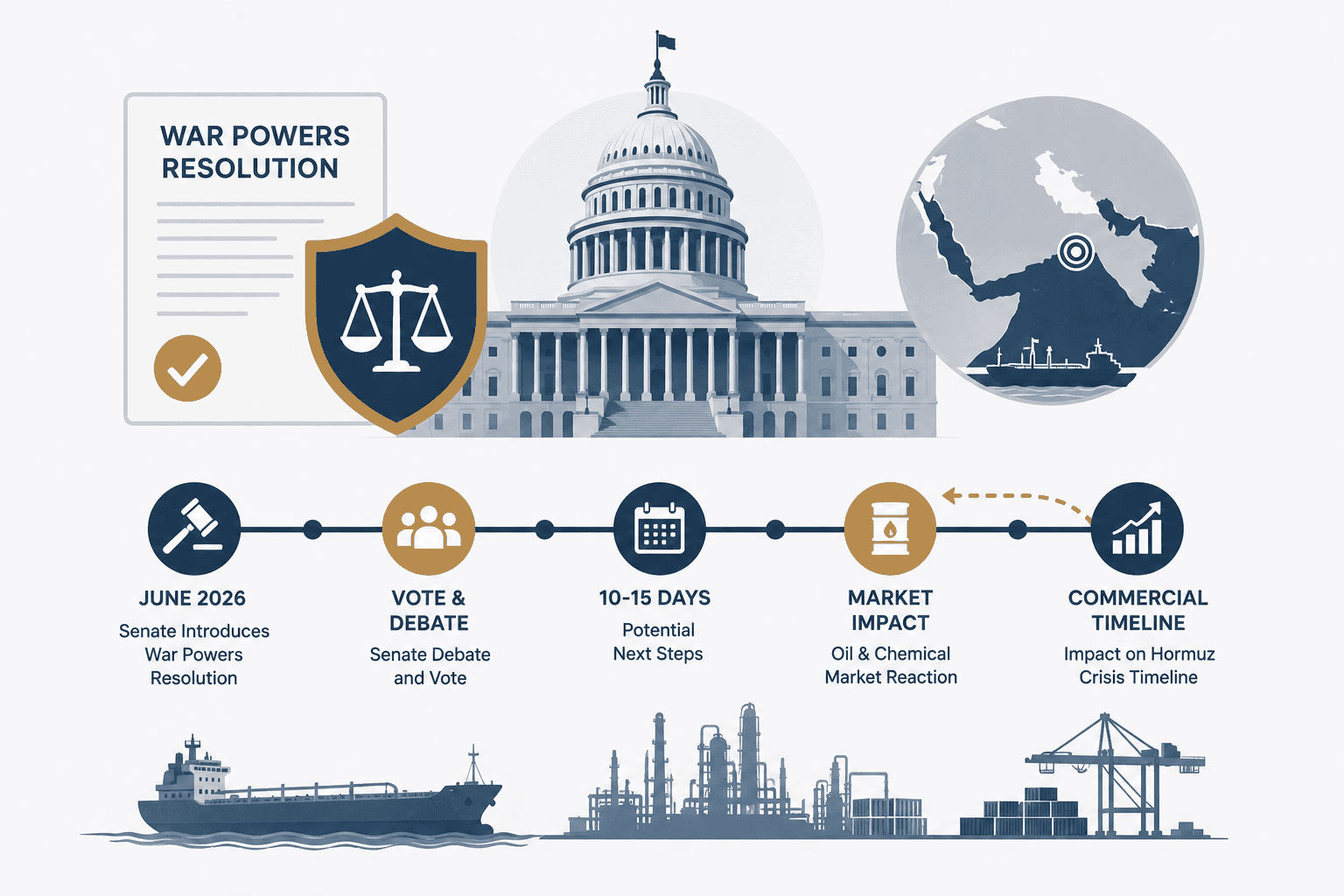
US Senate War Powers Resolution: What It Means for the Hormuz Crisis Commercial Timeline
The US Senate’s war powers resolution against Trump’s Iran conflict strategy may accelerate diplomatic pressure around the Hormuz crisis. For chemical markets, faster political de-escalation could mean quicker supply chain recovery and a more positive H2 2026 outlook.
Don't miss out on our updates! Subscribe to our newsletter now
We're committed to your privacy. Tradeasia uses the information you provide to us to contact you about our relevant content, products, and services. For more information, check out our privacy policy.