Citrus Pulp CAS: 94266-47-4

Explore what the successful transit of a fourth Saudi phosphate cargo through the Strait of Hormuz reveals about regional shipping conditions and fertilizer supply continuity.
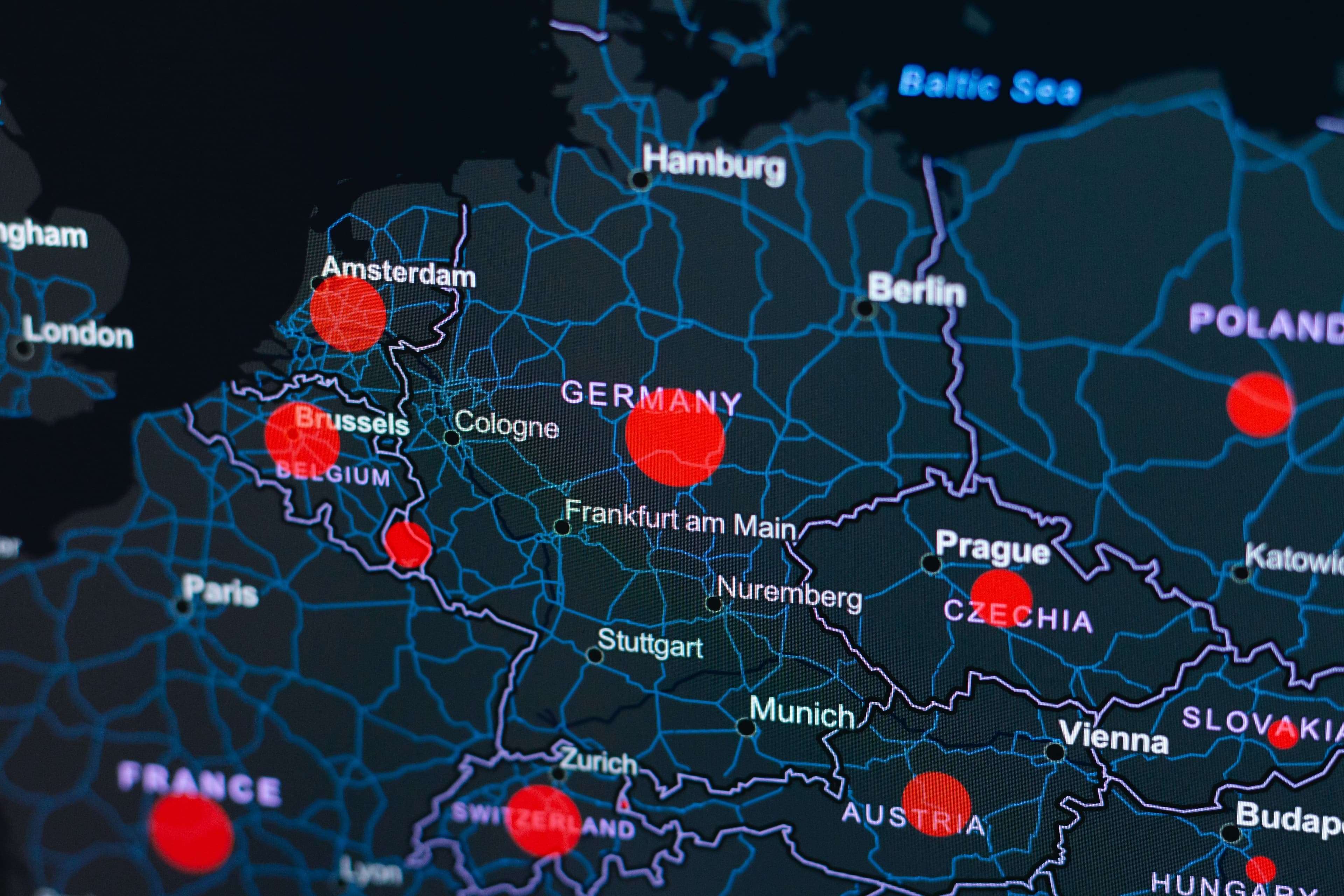
Chemeurope confirmed that German chemical and pharmaceutical production fell by 2.8% in Q1 2026
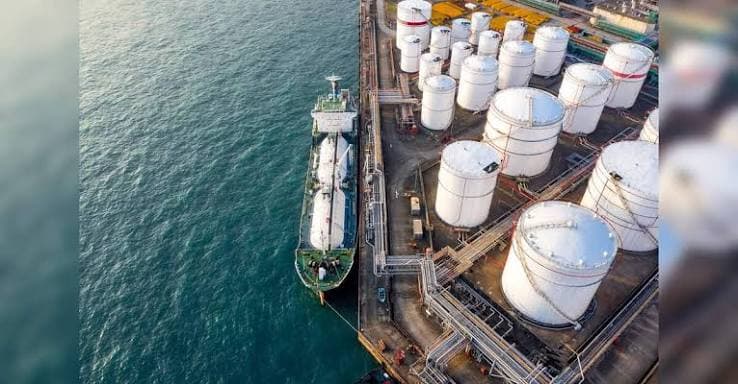
Although vessel movements through the Strait of Hormuz are increasing, the shipping backlog accumulated during the crisis remains substantial. Understanding convoy throughput and queue management provides buyers with a more realistic timeline for delayed chemical cargo arrivals during H2 2026.
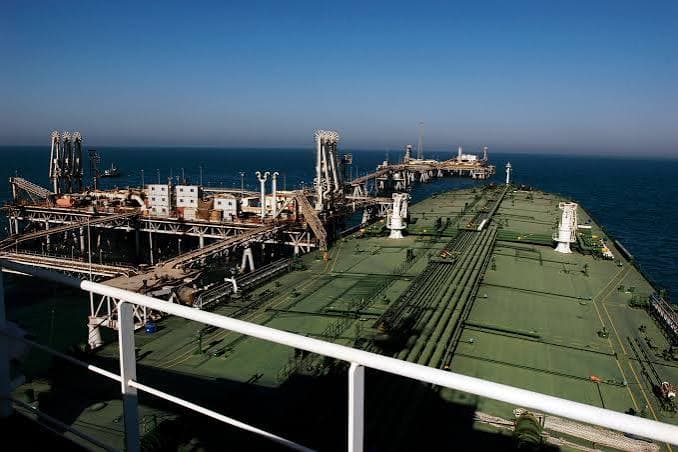
Iran’s proposal to charge “service fees” for Hormuz passage could permanently reshape the economics of global chemical trade. If transit charges become permanent, Gulf-origin chemical supply chains may face $500 million to $1.5 billion in additional annual costs that buyers will ultimately absorb through higher contract pricing.

Qatar sits at the crossroads of geopolitical uncertainty and commercial strain as US‑Iran talks stall and LNG disruptions persist. Chemical buyers now question whether QatarEnergy can honour investment plans and restore export flows while QAFCO navigates force majeure timelines. The outcome will reshape ammonia, urea, and fertilizer pricing across Asia.
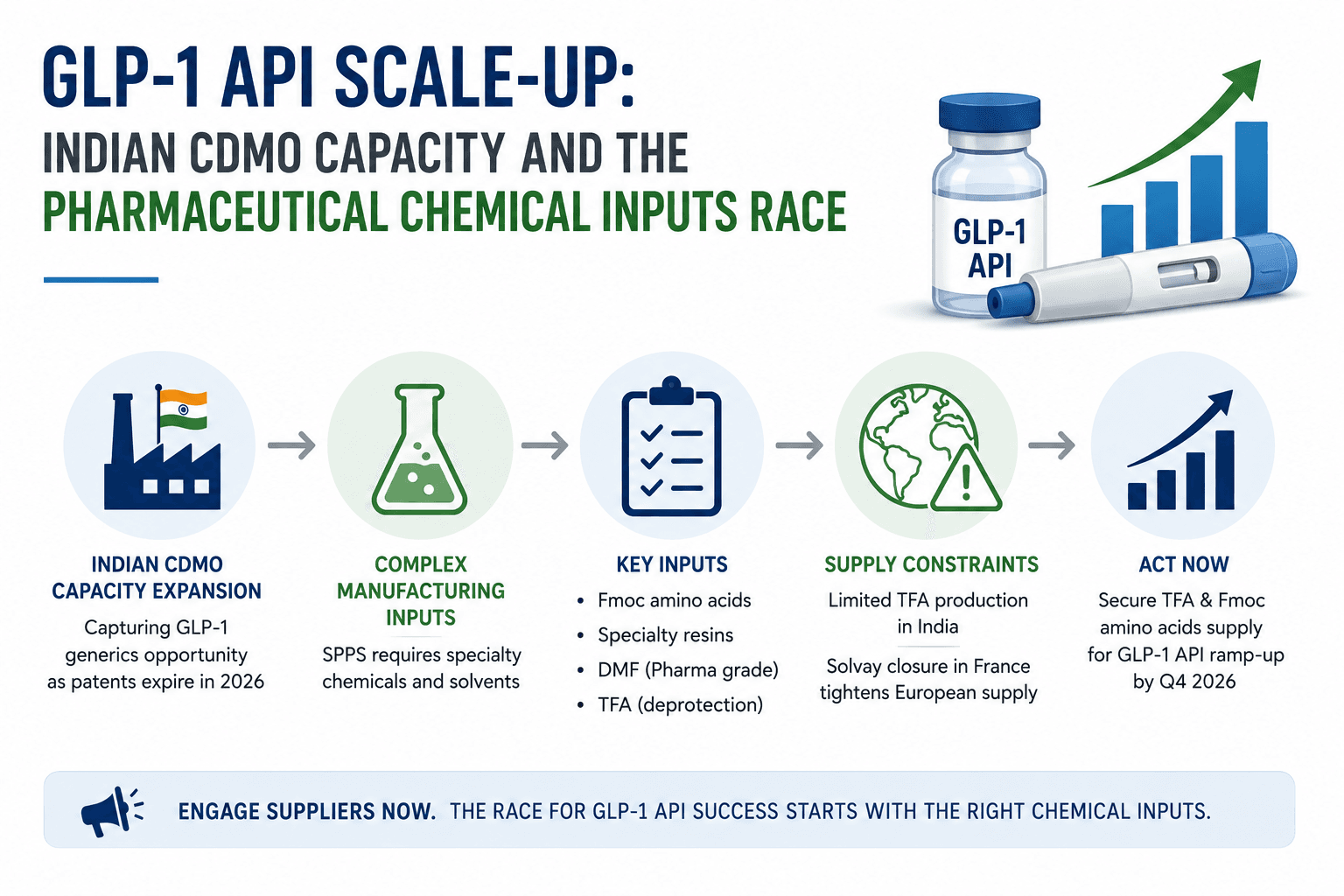
India’s pharmaceutical CDMOs are racing to scale GLP-1 API production as semaglutide and tirzepatide patents expire in 2026. Buyers sourcing TFA, Fmoc amino acids, and peptide synthesis chemicals should prepare for significant supply tightening by Q4.
We're committed to your privacy. Tradeasia uses the information you provide to us to contact you about our relevant content, products, and services. For more information, check out our privacy policy.