Related Insights

Retailer Dye Removal Pledges: What 2026‑2027 Deadlines Mean for Food Manufacturers
Retailers are tightening their standards on synthetic food dyes, setting 2026‑2027 deadlines that force manufacturers to reexamine ingredient sourcing and reformulation strategies. The shift toward natural colorants and clean‑label compliance reshapes product development, cost structures, and supply chains. This article breaks down the commitments, impacts, and practical steps for food companies.
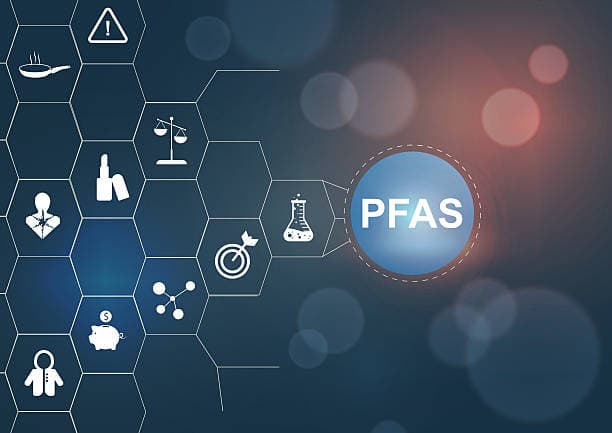
PFAS in Export Documentation: How State-Level Labelling Requirements Affect Shipping Documents
State labelling laws on PFAS are reshaping export paperwork and shipping labels. This guide explains Connecticut’s mandatory PFAS disclosure and Minnesota’s PRISM reporting, and how they impact chemical logistics and procurement compliance.
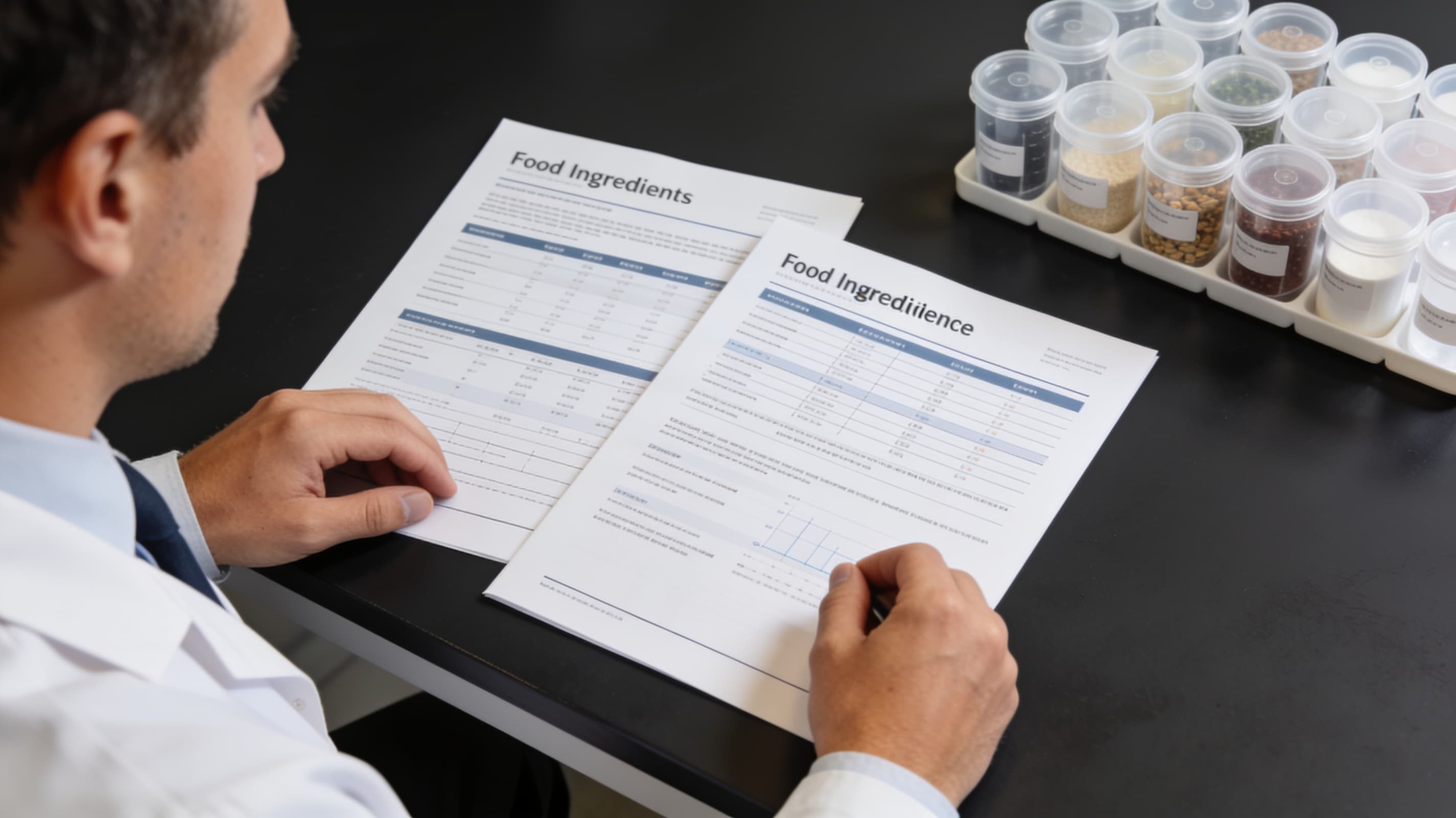
The Make America Healthy Again Movement and Chemical Regulation: What C&EN's Analysis Confirms
C&EN's 2026 outlook highlights growing policy attention on food additives, consumer chemicals and environmental exposures alongside broader industrial deregulation. Here's what procurement professionals should watch as regulatory priorities evolve.
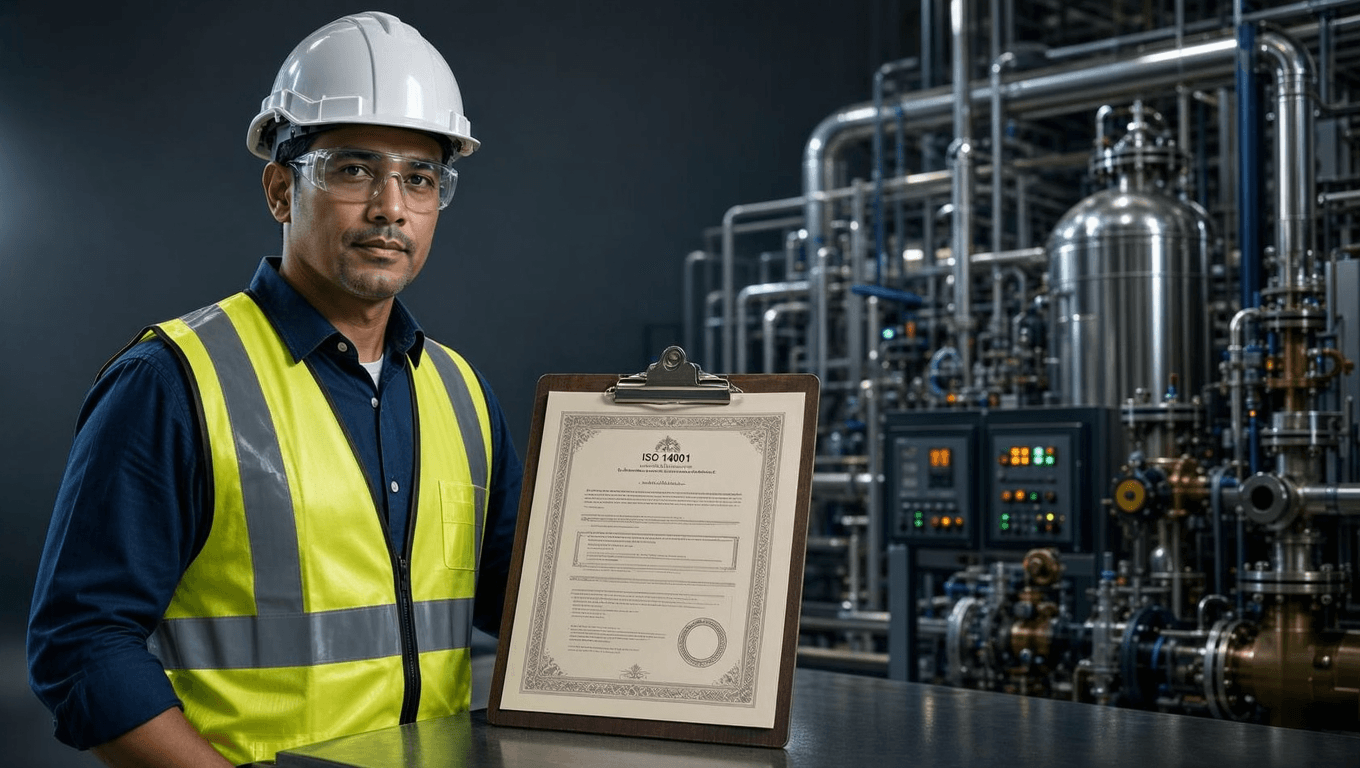
ISO 14001 Environmental Management Systems: What Supplier Certification Means for Procurement
ISO 14001 certification is widely used as a supplier qualification requirement across the chemical industry. Understanding what the standard confirms, and what it does not, helps procurement professionals make stronger supplier assessments.

TSCA Reform in 2026: What the House Discussion Draft Proposed and Where It Stands
A House discussion draft released in early 2026 has renewed debate over the future of the Toxic Substances Control Act. This article explains what the proposal includes, how different stakeholders view it and where the legislative process stands today.

H1 2026 Sustainability Intelligence Brief: Chemical Procurement Teams Edition
This brief outlines key regulatory shifts—CSRD, CBAM, EUDR, REACH SVHC, and PFAS rules—impacting chemical procurement in the first half of 2026. It also examines Scope 3 emissions accounting, the Hormuz crisis, and emerging supply‑chain resilience strategies shaping H2 decisions.
Don't miss out on our updates! Subscribe to our newsletter now
We're committed to your privacy. Tradeasia uses the information you provide to us to contact you about our relevant content, products, and services. For more information, check out our privacy policy.