Related Insights

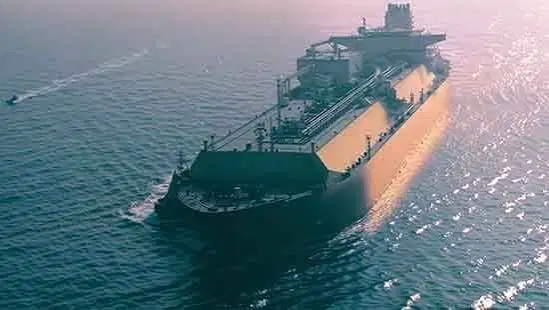
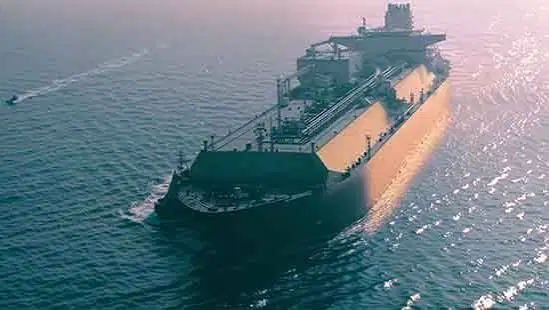
MEG Export Waivers and Their Impact on Global Petrochemical Procurement
Iran’s reported petrochemical export waivers could reshape MEG supply expectations for textile and chemical buyers across key markets. This analysis examines how Iranian MEG availability, sanctions considerations and sourcing decisions may affect procurement strategies.
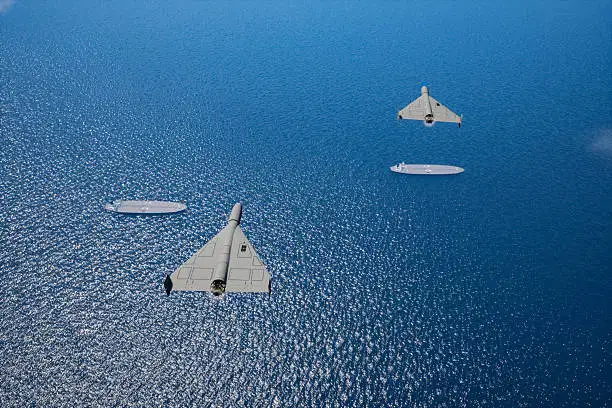
War‑Risk Insurance for Chemical & Fertilizer Tankers Set to Surge Again
War‑risk insurance premiums for chemical and fertilizer tankers are poised to climb sharply, raising freight costs and forcing shippers to rethink logistics strategies. The new price surge reflects heightened conflict risks in key shipping lanes and a tightening supply of under‑insured vessels. Companies must now balance cost, safety and supply chain resilience in a volatile market.

Sodium Bicarbonate: Post-Arthur Flood Disruption Could Tighten US Gulf Chemical Distribution
Weather-related disruptions are highlighting the importance of resilient logistics networks for food-grade chemical distribution.

Ecolab's Semiconductor Water Pivot and Environmental Compliance: What It Means for Chemical Procurement
Ecolab's acquisition of Ovivo's electronics ultrapure water business strengthens its role in semiconductor manufacturing, where water management is critical. Procurement and sustainability teams should understand how this development may influence supplier engagement and environmental reporting.
34 Shipping Crossings Revitalize GCC Water Treatment Supply
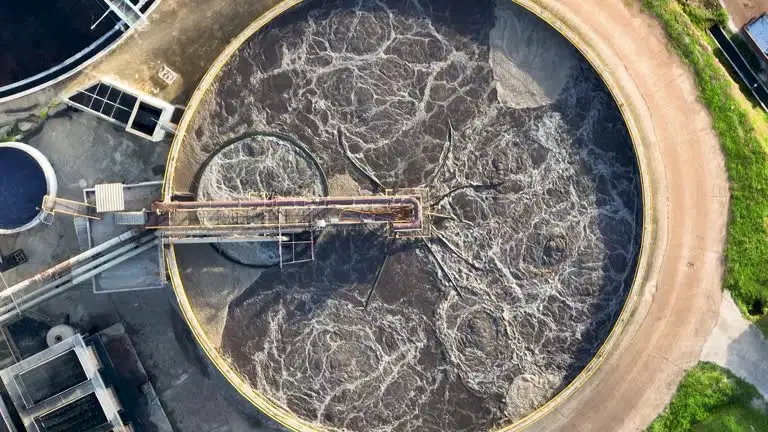
The Gulf Cooperation Council now sees 34 daily shipping crossings, easing the logistical bottleneck that had left utilities scrambling for water treatment chemicals. With production steady but transport limited, the new capacity realigns supply with demand, enabling utilities to rebuild safety stock for peak summer months. Strategic warehousing at Sohar, Khor Fakkan and Jebel Ali will further restore procurement flexibility.
IMO Urges Ships to Sidestep Hormuz Amid Crew Safety Concerns
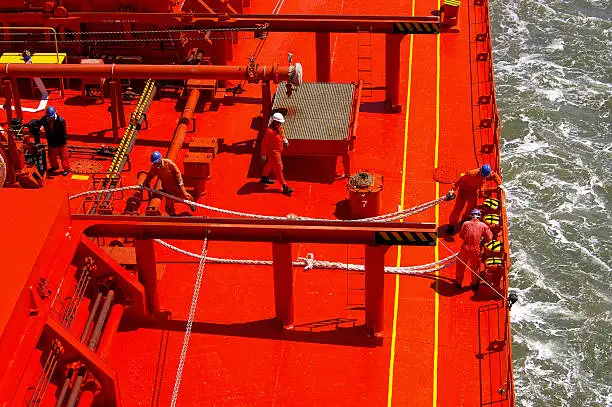
The International Maritime Organization has issued a stern warning for vessels to avoid the Strait of Hormuz until crew safety can be assured. This directive raises immediate questions for chemical tankers, Gulf shipping routes, and global supply chains. In this article we break down the implications and explore how operators can adapt.
Don't miss out on our updates! Subscribe to our newsletter now
We're committed to your privacy. Tradeasia uses the information you provide to us to contact you about our relevant content, products, and services. For more information, check out our privacy policy.