Calcium Propionate (E282) CAS: 4075-81-4
Calcium Propionate (E282) CAS: 4075-81-4
Most major chemical companies reported weaker sales and earnings during 2025, with DuPont standing out as a notable exception. Procurement teams should understand what these financial results reveal about demand, pricing and the future direction of the global chemical industry.
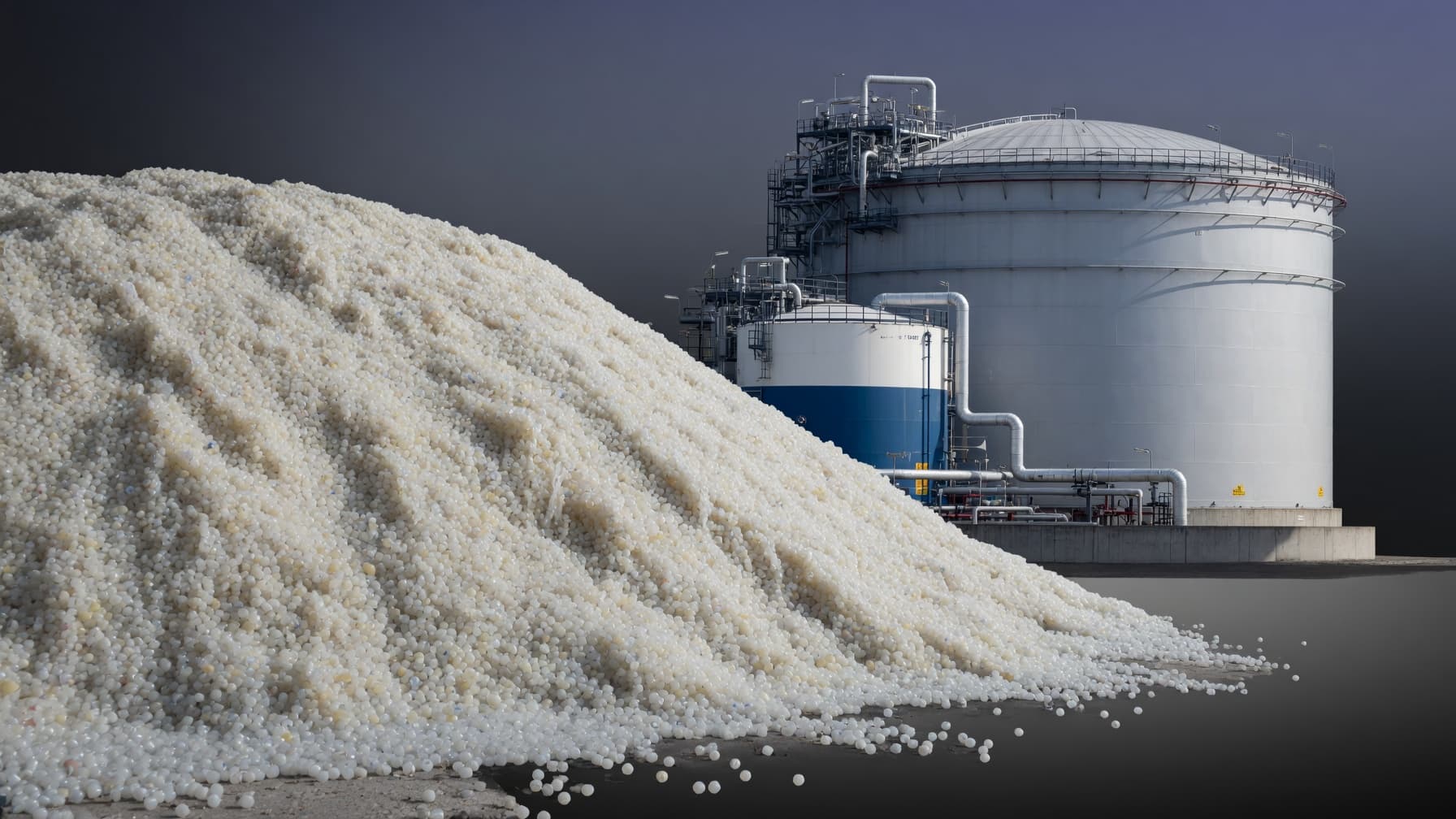
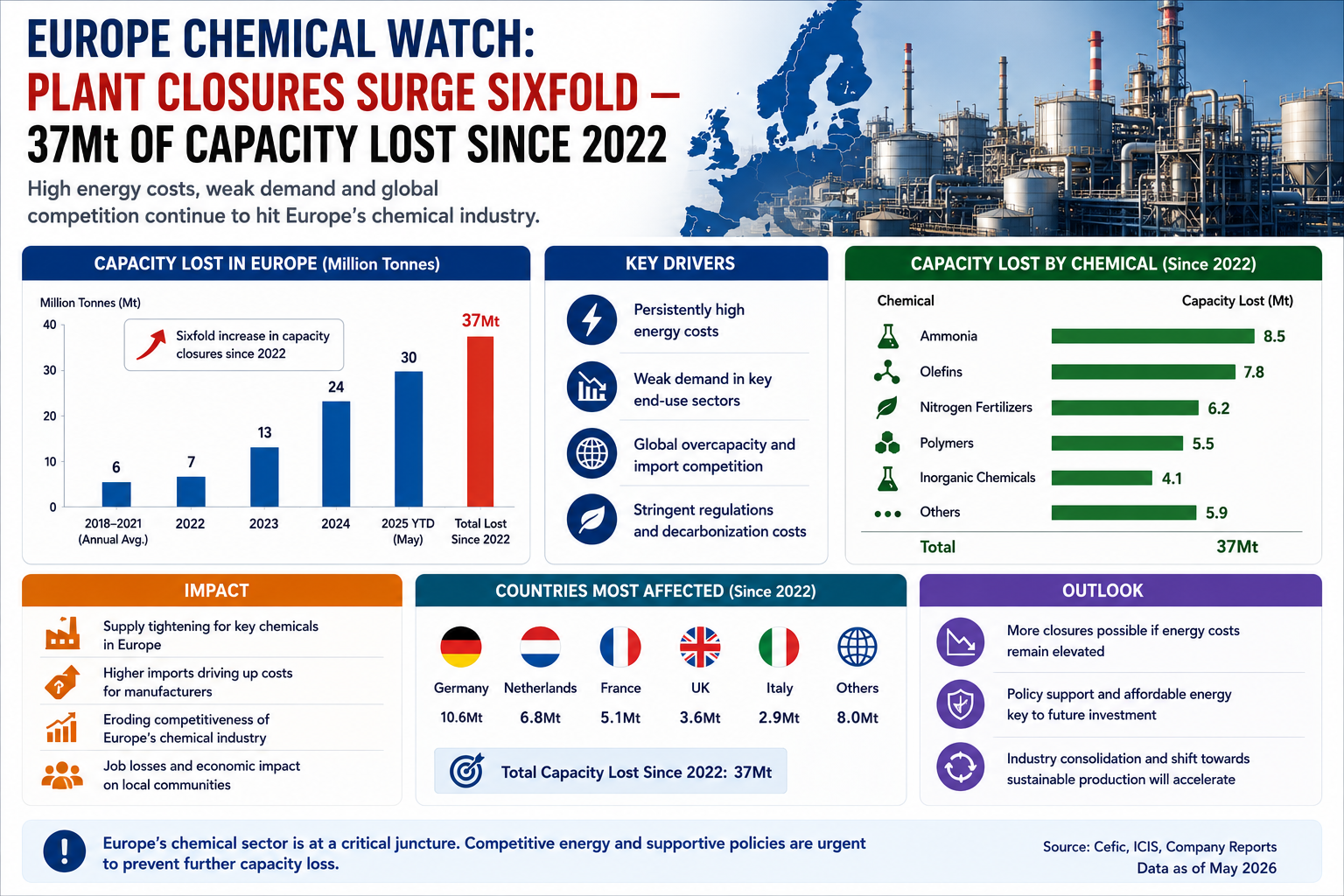
Deloitte expects overcapacity in polyethylene, polypropylene, olefins and aromatics to persist throughout 2026. Chemical buyers may benefit from competitive pricing, but weak producer margins, plant closures and shifting trade flows create longer-term sourcing risks.

Japanese chemical manufacturers are shifting investment away from China toward India after years of deepening engagement in Chinese markets. The pivot centers particularly on solar materials and reflects broader frustrations with operating conditions in China that procurement teams managing Asian supply chains must understand as sourcing patterns reshape across the region.
Germany's seasonally adjusted chemical and pharmaceutical production declined 2.8% in the first quarter of 2026 and nearly 6% compared with the previous year. Procurement teams should assess how weaker European output may influence sourcing strategies, inventories and regional supply.
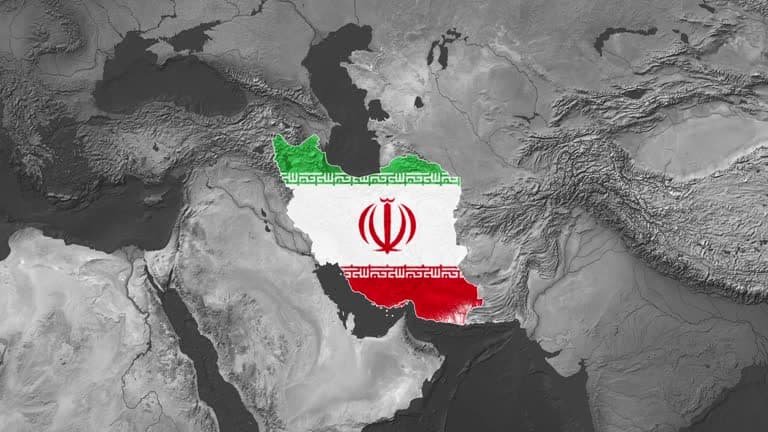
Iran’s proposed Hormuz transit fees could add $500–750 million annually to global chemical trade costs, creating a permanent landed‑cost increase for Gulf‑origin chemicals. This article analyzes the fee structure, its impact on petrochemical freight risk, and strategies for 2026 chemical procurement.
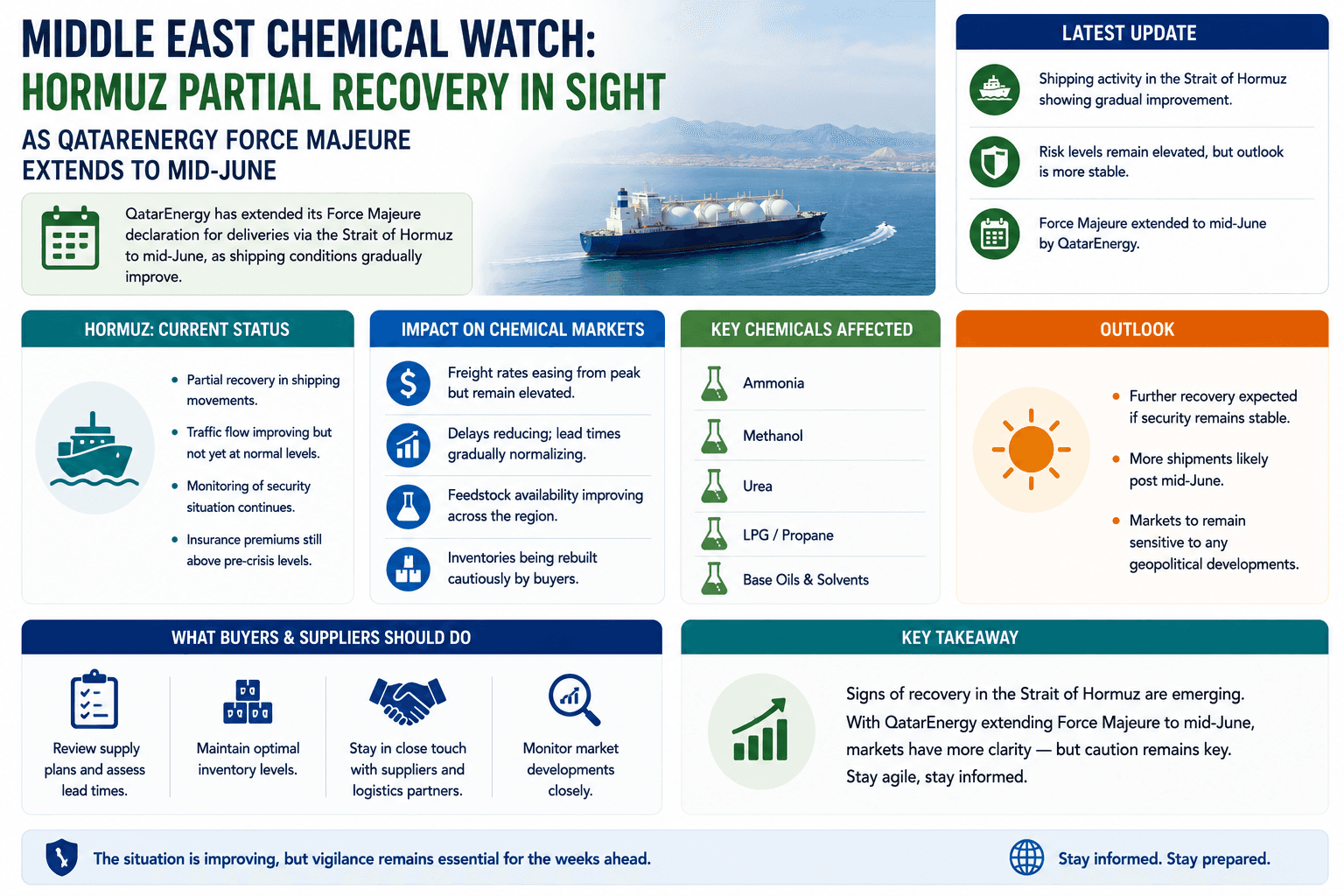
Middle East chemical supply recovery after the Hormuz crisis will likely take far longer than expected. With QatarEnergy extending force majeure and ICIS forecasting a 12–18 month normalization period, buyers should prepare for prolonged pricing pressure through H2 2026.
We're committed to your privacy. Tradeasia uses the information you provide to us to contact you about our relevant content, products, and services. For more information, check out our privacy policy.