Global methanol markets are entering a critical pricing window as Q3 2026 contract negotiations begin with supply expectations changing rapidly. The methanol pricing outlook has shifted after geopolitical developments reduced pressure around Middle East production and shipping routes.
For months, buyers faced elevated risk premiums as concerns around the Strait of Hormuz disrupted market sentiment. India methanol prices moved sharply higher as import-dependent buyers priced in possible supply constraints. The latest developments are forcing traders and procurement teams to reassess previous assumptions before finalizing new contracts.
Methanol Market Conditions Enter a New Pricing Phase
Methanol is a widely traded chemical feedstock used across energy, manufacturing and industrial applications. The market depends heavily on large-scale production hubs, shipping availability and downstream demand from industries such as formaldehyde, plastics, fuels and solvents.
The Q3 negotiation cycle arrives at a time when buyers are balancing two opposing forces:
Supply concerns are easing as Middle East production expectations improve and shipping risks reduce. This creates downward pressure on previously inflated market premiums.
Demand remains important across Asia and other industrial regions, especially where methanol supports manufacturing chains and chemical production.
The recent shift does not mean prices will immediately return to earlier levels. Contract discussions will likely focus on how quickly supply normalizes and whether buyers should accept lower pricing after a period of uncertainty.
Hormuz Developments Change Methanol Supply Expectations
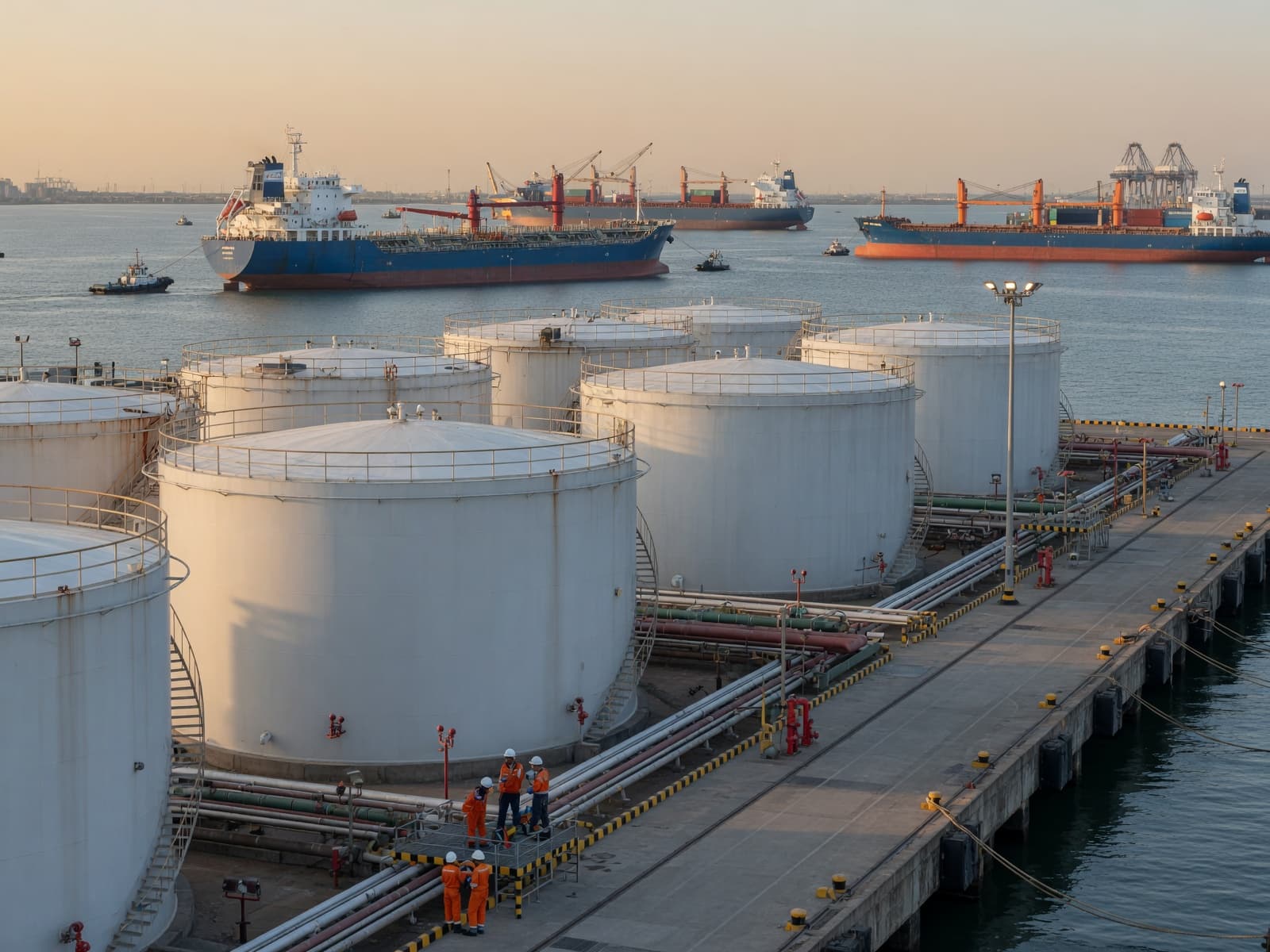
The Strait of Hormuz has long remained a key factor in global energy and chemical trade calculations. Any disruption in this route can affect freight costs, crude-linked markets and regional chemical availability.
The June 17 memorandum of understanding signed at Versailles changed market expectations by supporting the reopening of the route and reducing fears of extended supply interruptions. Energy markets reacted quickly, with Brent crude moving below $80 per barrel after the crisis premium weakened.
For methanol buyers, this development creates a different negotiation environment:
Importers may push for pricing adjustments because earlier supply-risk premiums no longer reflect current expectations.
Producers may defend contract values while assessing whether demand strength can offset lower market risk.
Traders will monitor vessel movement, regional inventory levels and production restarts before committing to large positions.
Key Factors Driving Methanol Prices in Q3 2026
Methanol pricing depends on several connected market variables. Procurement teams need to evaluate more than just spot prices when negotiating supply agreements.
The major drivers include:
Natural gas costs: Methanol production relies heavily on natural gas availability and pricing, especially in major producing regions.
Middle East production recovery: Any increase in available output from key exporters could increase global supply and reduce pressure on import markets.
Freight and logistics conditions: Shipping costs influence delivered methanol prices, especially for Asian buyers depending on international cargo flows.
Currency movements: Exchange rate changes can affect purchasing costs for importers buying in international markets.
Downstream demand: Consumption from formaldehyde, acetic acid and fuel-related applications influences overall market balance.
Global Methanol Trade Flows and Major Producing Regions
Methanol production is concentrated in regions with strong natural gas resources and established chemical infrastructure. Global traders watch these regions closely because production changes can quickly affect international availability.
Major supply regions include:
The Middle East, where large-scale production capacity plays an important role in global exports.
China, which represents a major production and consumption market with strong domestic chemical demand.
North America, where natural gas availability supports competitive production economics.
Other producing regions that contribute to regional supply balance and international trade flows.
For importers, supplier diversification remains an important strategy. Depending on a single origin can increase exposure to unexpected production disruptions, shipping issues or regulatory changes.
How Buyers Should Approach Q3 Methanol Contract Negotiations
Procurement managers entering Q3 discussions should focus on market flexibility rather than relying only on recent price movements. Crisis-driven pricing often creates temporary premiums that may not represent longer-term market conditions.
Important negotiation points include:
Review current supply agreements and compare them with updated market fundamentals.
Avoid making decisions based only on peak crisis pricing levels.
Evaluate multiple supplier offers to understand the true market range.
Consider shorter contract periods if market direction remains uncertain.
Include supply reliability, logistics performance and payment terms alongside price discussions.
A balanced sourcing strategy can help buyers manage volatility while maintaining access to reliable methanol supply.
Methanol Applications Supporting Long-Term Demand
Methanol remains a strategic chemical because of its broad industrial use. Its role across multiple sectors supports long-term demand growth even during short-term pricing changes.
Key applications include:
Formaldehyde production, where methanol serves as a major raw material for resins and industrial materials.
Fuel applications, including methanol blending and energy-related uses in selected markets.
Chemical intermediates used in manufacturing processes.
Solvent applications across industrial and commercial production.
Acetic acid and other chemical manufacturing chains.
These demand areas create a foundation for continued global trade activity.
Supply Chain Risks and Sourcing Challenges for Methanol Buyers
Although the Hormuz situation has improved, global methanol procurement still faces several risks. Chemical buyers need to monitor supply conditions beyond immediate market headlines.
Potential challenges include:
Unexpected geopolitical changes affecting shipping routes.
Production interruptions caused by maintenance or operational issues.
Regional inventory shortages during periods of high demand.
Changes in freight availability and transportation costs.
Regulatory adjustments affecting international chemical movement.
Strong supplier relationships and market monitoring remain essential for companies managing international methanol purchases.
Looking Ahead to 2027: Methanol Market Expectations
The methanol market is expected to continue evolving as producers, traders and buyers adjust to changing energy conditions. The current pricing environment shows how quickly geopolitical events can influence chemical markets.
For procurement teams, the key focus should remain on building adaptable sourcing strategies. Buyers who track production trends, shipping conditions and regional demand will be better positioned during future market shifts.
The Q3 2026 contract cycle may represent a transition from crisis-driven pricing toward a more supply-focused market structure. Companies that evaluate offers carefully and work with verified suppliers can secure better purchasing outcomes.
Ready to source Methanol from verified global suppliers? Explore competitive offers on our platform today.
Methanol CAS: 67-56-1