


The rise of covert dark fleet operations is reshaping risk assessment for Gulf shipping. Marine insurers face new challenges in pricing tanker and chemical cargoes amid sanctions and security threats. Learn how regulators and logistics firms adapt.

The EPA’s updated PFAS guidance reshapes how farmers use biosolids and fertilizers, influencing crop inputs and the broader food ingredient supply chain. Learn what it means for compliance, sourcing, and consumer safety.

Retailers are tightening their standards on synthetic food dyes, setting 2026‑2027 deadlines that force manufacturers to reexamine ingredient sourcing and reformulation strategies. The shift toward natural colorants and clean‑label compliance reshapes product development, cost structures, and supply chains. This article breaks down the commitments, impacts, and practical steps for food companies.

Fermentation-based marine ingredients such as algal DHA, astaxanthin and beta-glucan offer food manufacturers a more resilient supply chain during periods of global shipping disruption. Procurement teams should understand why production geography matters as much as ingredient performance.

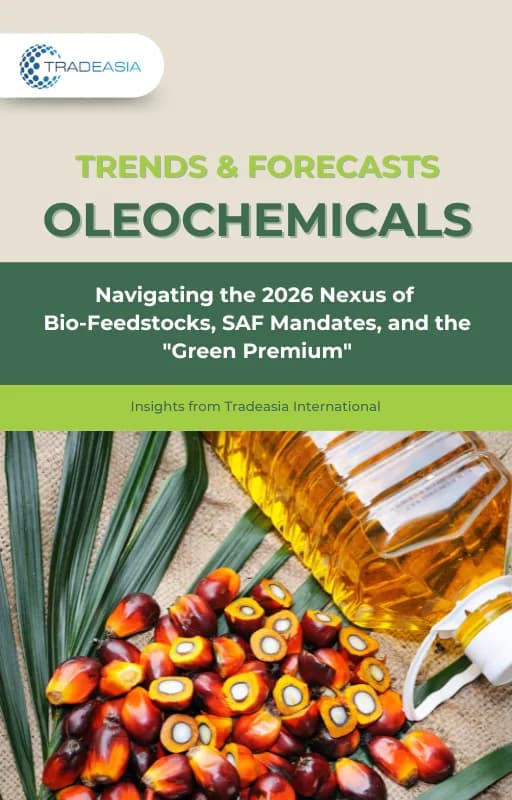
The EU Deforestation Regulation (EUDR) is reshaping how chemical companies source ingredients, especially palm‑based products. With stricter due‑diligence and RSPO compliance, suppliers must now prove palm oleochemicals traceability across the entire chain.
European anti‑dumping duties on BDO and China’s tightening export rules are reshaping the global supply chain. Traders in spandex, PBT and biodegradable plastics must adapt sourcing strategies now.
We're committed to your privacy. Tradeasia uses the information you provide to us to contact you about our relevant content, products, and services. For more information, check out our privacy policy.
Download Our Mobile App


Contact us
House 542 (Ground Floor)Baridhara DOHS, Road No. 12Dhaka, 1206, Bangladesh
