
Related Insights

Apple’s Regulated Substances Specification: Setting the Standard for Specialty Chemicals
Apple’s Regulated Substances Specification is reshaping how specialty chemical suppliers design and certify products. By establishing strict limits on hazardous substances, it drives safer, more sustainable materials across the electronics supply chain. Companies that meet Apple’s standards demonstrate leadership in chemical compliance and product stewardship.
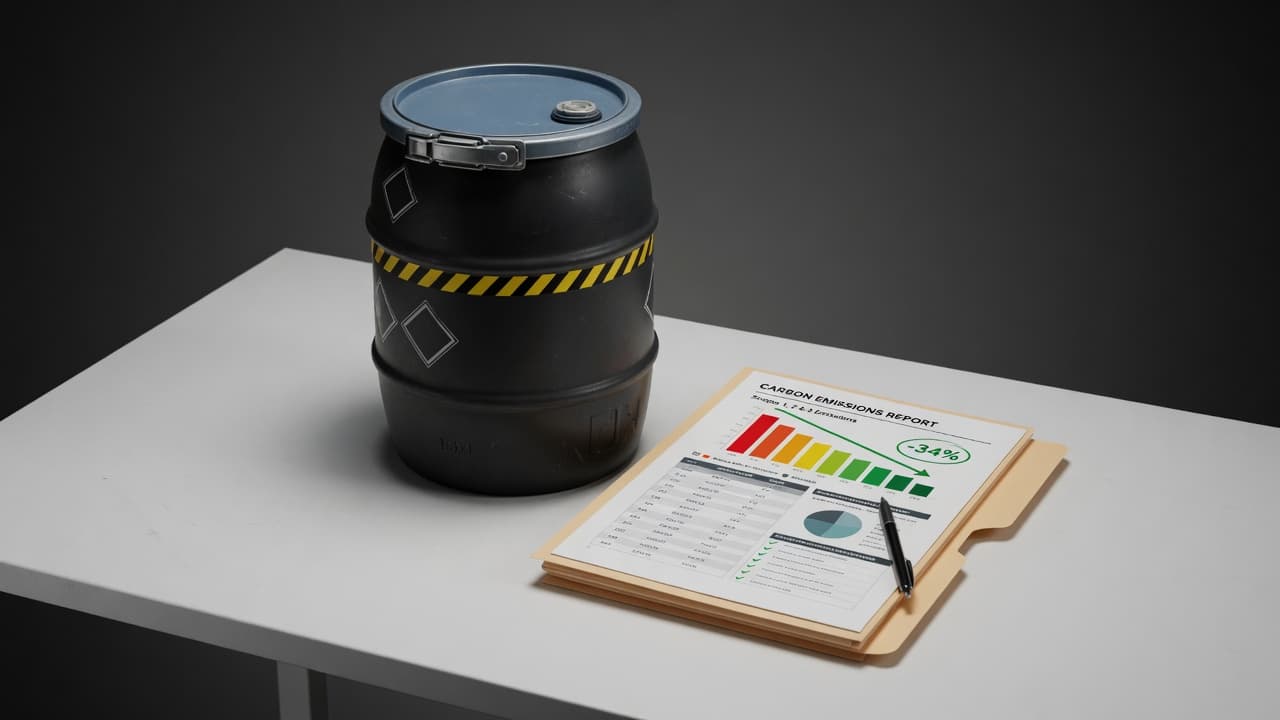
CSRD Scope 3 Data: What the Directive Actually Requires Chemical Companies to Disclose
The EU Corporate Sustainability Reporting Directive has increased attention on Scope 3 emissions reporting across chemical supply chains. This guide explains what ESRS E1 actually requires, where mandatory disclosures begin and how procurement teams can separate regulatory obligations from voluntary reporting practices.

PFAS State Law Acceleration: Connecticut Live, Minnesota Submitted — Where the Next State Laws Are Coming
State‑driven PFAS regulations are reshaping the specialty chemical landscape. With Connecticut’s labeling law now active and Minnesota’s PRISM reporting deadline passed, manufacturers face a patchwork of rules. Maine, Oregon, and Colorado are next in line, targeting food packaging, textiles, and consumer goods. A comprehensive compliance matrix is no longer optional; it’s essential for managing disclosure, labeling, and reporting across jurisdictions.

PFAS EPA Hearings One Week Away: Commercial Stakes for Specialty Chemical Formulators
The upcoming EPA PFAS hearings could reshape sourcing decisions for specialty chemical formulators across the United States. Procurement teams should prepare for changing compliance requirements, evolving customer expectations and a more complex regulatory landscape.

EUDR Palm Compliance: First Week of Active Enforcement for Personal Care Manufacturers
July 1 marks the start of active enforcement of the EU Deforestation Regulation on palm‑derived ingredients. Personal care firms must now verify suppliers, secure geolocation data, and prove deforestation‑free sourcing or risk shipment delays. Immediate action is required to maintain supply continuity and avoid compliance penalties.

India Duty Waiver Expiry: Impact on Petrochemical Imports and Chemical Buyers
India duty waiver expiry is creating urgent decisions for chemical importers and manufacturers as the customs exemption deadline approaches. Buyers must assess possible cost increases across key petrochemical products and adjust Q3 sourcing strategies.
Don't miss out on our updates! Subscribe to our newsletter now
We're committed to your privacy. Tradeasia uses the information you provide to us to contact you about our relevant content, products, and services. For more information, check out our privacy policy.