Dicalcium Phosphate CAS: 7757-93-9
Dicalcium Phosphate CAS: 7757-93-9
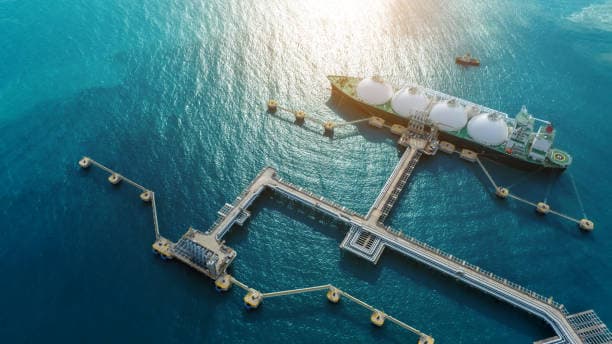
While oil prices swing wildly, natural gas trade remains relatively steady. Analysts point to long‑term contracts, robust LNG logistics, and diversified supply chains as key stabilizers. This article explains why gas markets are weathering oil volatility and geopolitical tension.
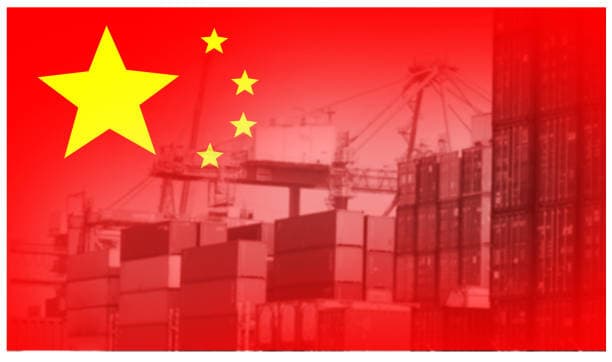
China’s early 2025 export curbs are reshaping global fertilizer flows into 2026, forcing shippers to rethink routes, sourcing and inventory. The ripple effects touch every corner of the supply chain, from African farms to European ports.

Brazil's approval of the UFN III urea project marks a major step toward fertilizer self-sufficiency. Once operational, the plant is expected to reduce import dependence and strengthen Latin America's long-term agricultural supply chain.

The end of India’s fertilizer duty waiver and the launch of the MMTC Q3 tender are reshaping procurement strategies for urea and DAP. Farmers, importers and policy makers are recalibrating expectations as pricing volatility rises. This article dissects the key drivers and market implications.
Petrochemical markets are moving toward recovery as Brent prices ease, Hormuz transit improves and supply confidence returns. This outlook explains why price correction may happen slowly rather than through a sharp decline.
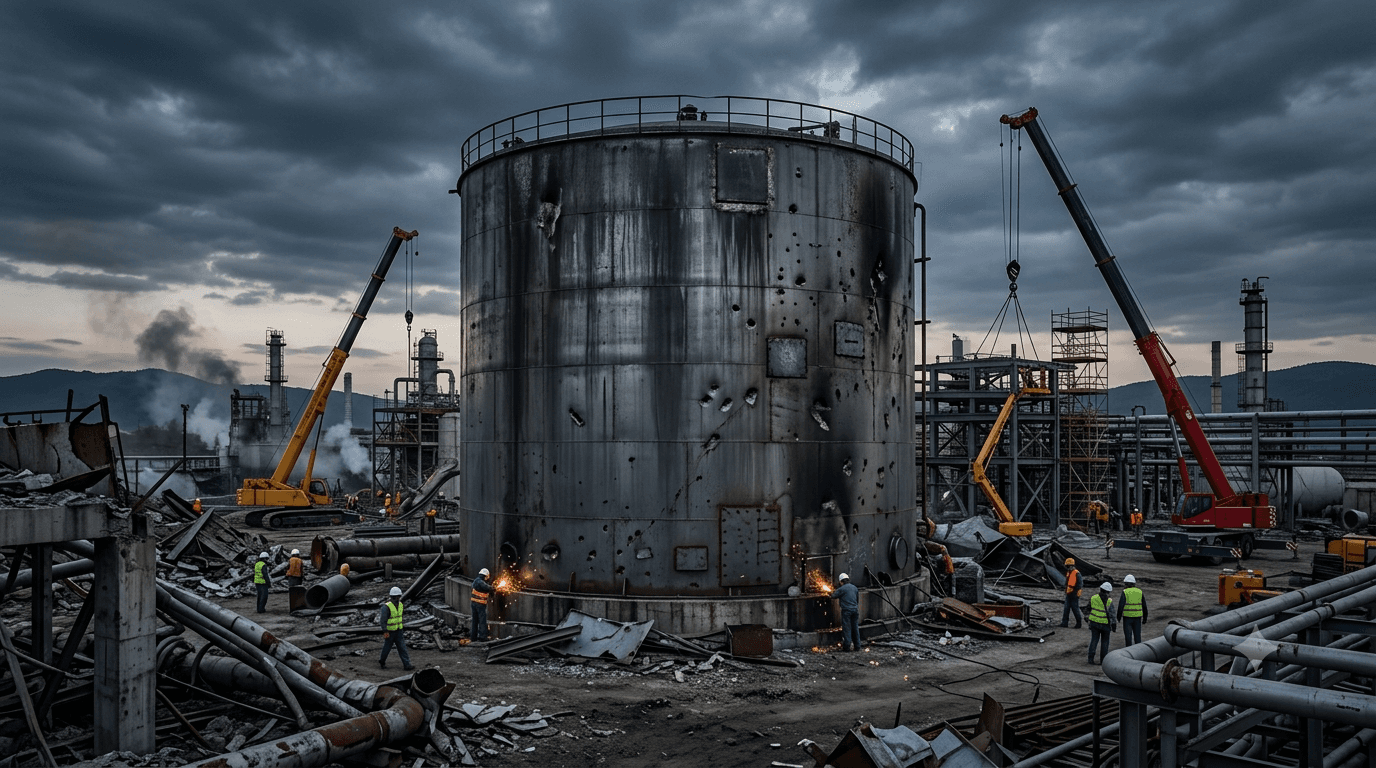
Iran’s petrochemical industry emerged as the largest industrial casualty of the Hormuz War, with major production hubs reportedly suffering catastrophic damage. The resulting supply gap is reshaping methanol, fertilizer and polymer markets while creating one of the largest reconstruction opportunities in the global chemical sector.
We're committed to your privacy. Tradeasia uses the information you provide to us to contact you about our relevant content, products, and services. For more information, check out our privacy policy.