The global polyethylene market is entering a new supply phase as Gulf export flows begin to recover and US ethane-based producers face renewed competition in Asia. During the Hormuz supply disruption, US polyethylene suppliers gained opportunities by replacing volumes previously supplied by Gulf producers.
For packaging manufacturers, agricultural film producers and pipe companies, the next challenge is deciding whether to secure US-origin contracts now or wait for Gulf polyethylene availability to improve. The decision will depend on delivered cost, freight conditions, supply reliability and contract flexibility.
How Gulf Polyethylene Supply Disruption Changed Global Trade Flows
Gulf producers have historically played a major role in supplying polyethylene to Asian markets due to their production scale and geographic advantage. When Hormuz-related disruptions reduced Gulf export availability, buyers turned toward alternative sources.
US producers benefited from this shift because ethane-based production provides strong feedstock economics. The supply gap created opportunities for American polyethylene exporters to increase their presence in Asia.
The market adjustment showed several important trends:
Asian buyers increased their dependence on alternative polyethylene origins.
US suppliers gained stronger relationships with customers seeking reliable replacement volumes.
Freight costs became a more important factor in evaluating delivered resin prices.
The return of Gulf supply does not remove these changes immediately because buyers often maintain diversified sourcing after experiencing disruption.
Gulf PE Recovery and the Return of Regional Competition
The record Hormuz transit volume on June 21 has improved confidence that Gulf logistics may normalize. Producers including major regional suppliers such as SABIC and ADNOC are preparing export logistics as market conditions improve.
As Gulf polyethylene returns, Asian buyers may have more sourcing options. Gulf producers benefit from shorter shipping routes into Asia compared with US cargoes, which can create an advantage if freight conditions normalize.
The expected competition between origins will depend on:
Gulf export availability.
Vessel capacity and freight rates.
Regional inventory levels.
Producer pricing strategies.
A gradual increase in Gulf supply could pressure US exporters to adjust pricing or contract terms.
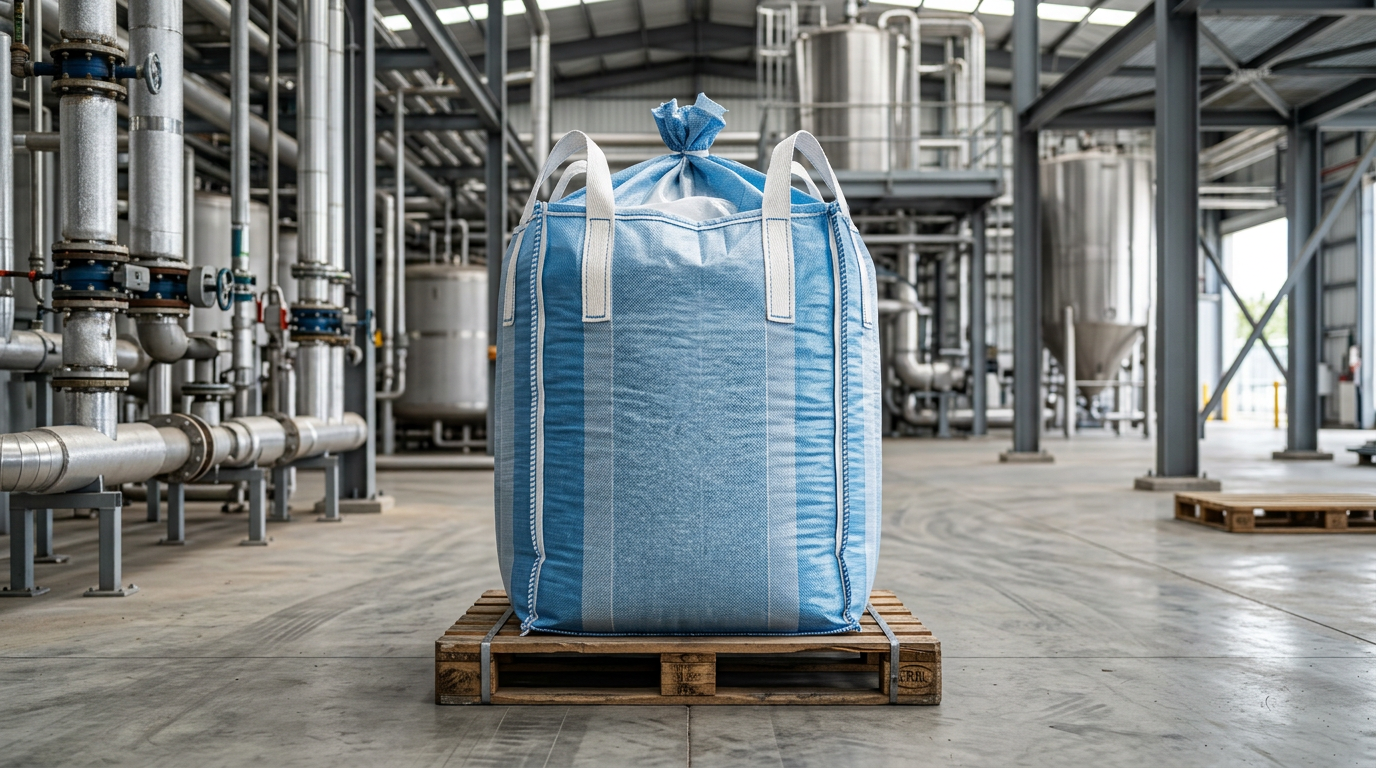
US Ethane-Based Polyethylene Competitive Position in Asia
US polyethylene producers built stronger market access in Asia during the supply disruption because buyers needed dependable alternatives.
The advantage of US PE comes from several factors:
Competitive ethane feedstock availability.
Large-scale production capacity.
Export flexibility through major ports.
However, delivered cost remains the key factor for Asian buyers. Transpacific freight rates continue to influence the final economics of US-origin material.
Even if US producers maintain attractive production costs, higher freight expenses can reduce their advantage compared with Gulf suppliers located closer to Asian markets.
Procurement Decision: Lock US PE Contracts or Wait for Gulf Supply?
For buyers purchasing polyethylene in the second half of 2026, the main decision is whether to secure current US-origin offers or wait for potentially lower-cost Gulf material.
A practical evaluation framework should consider:
Choose US-origin polyethylene when:
Supply security is the top priority.
Contract pricing is attractive compared with current delivered alternatives.
Production schedules require guaranteed resin availability.
Freight risks are manageable.
Consider waiting for Gulf-origin polyethylene when:
Buyers have flexible inventory positions.
Shorter shipping distances create a meaningful cost advantage.
Gulf export flows demonstrate consistent recovery.
Regional pricing becomes more competitive.
The right choice depends on operational needs rather than price alone.
Polyethylene Demand Outlook Across Key Industries
Polyethylene demand remains closely connected to essential manufacturing sectors. Packaging, agriculture and infrastructure industries continue to support global PE consumption.
Key application areas include:
Flexible packaging production requiring consistent film-grade PE supply.
Agricultural films where seasonal demand influences purchasing cycles.
Pipe manufacturing where long-term infrastructure projects require reliable resin availability.
For these industries, supply consistency often matters as much as cost because production interruptions can create significant operational losses.
Freight Costs and Delivered Price Competition
Freight remains one of the biggest variables in the PE sourcing decision.
US exporters face longer sailing distances into Asia, which means transportation costs can strongly influence final buyer economics. Gulf suppliers typically benefit from geographic proximity to Asian markets.
Procurement teams should compare:
Product price at origin.
Ocean freight costs.
Insurance and handling charges.
Delivery timing.
A lower resin price does not always result in the lowest delivered cost.
Supply Risks Polyethylene Buyers Should Monitor
Although the market outlook is improving, uncertainty remains. Buyers should continue monitoring several risk factors.
Important areas include:
Stability of Gulf export operations.
Changes in freight markets.
Producer maintenance schedules.
Regional inventory levels.
Demand recovery in major manufacturing sectors.
Companies that track these indicators can adjust purchasing strategies before market changes become costly.
The Bottom Line for Polyethylene Procurement Teams
The H2 2026 polyethylene market will likely become more competitive as Gulf supply returns and US producers defend the market share gained during the disruption period.
For buyers, the decision between US and Gulf polyethylene depends on balancing security, timing and delivered cost. Locking in supply too early may miss potential Gulf pricing advantages, while waiting too long could expose companies to limited availability or higher costs.
A flexible sourcing strategy with clear cost comparisons will help packaging, agriculture and pipe manufacturers make better purchasing decisions. Ready to source Polyethylene from verified global suppliers? Explore competitive offers on our platform today.