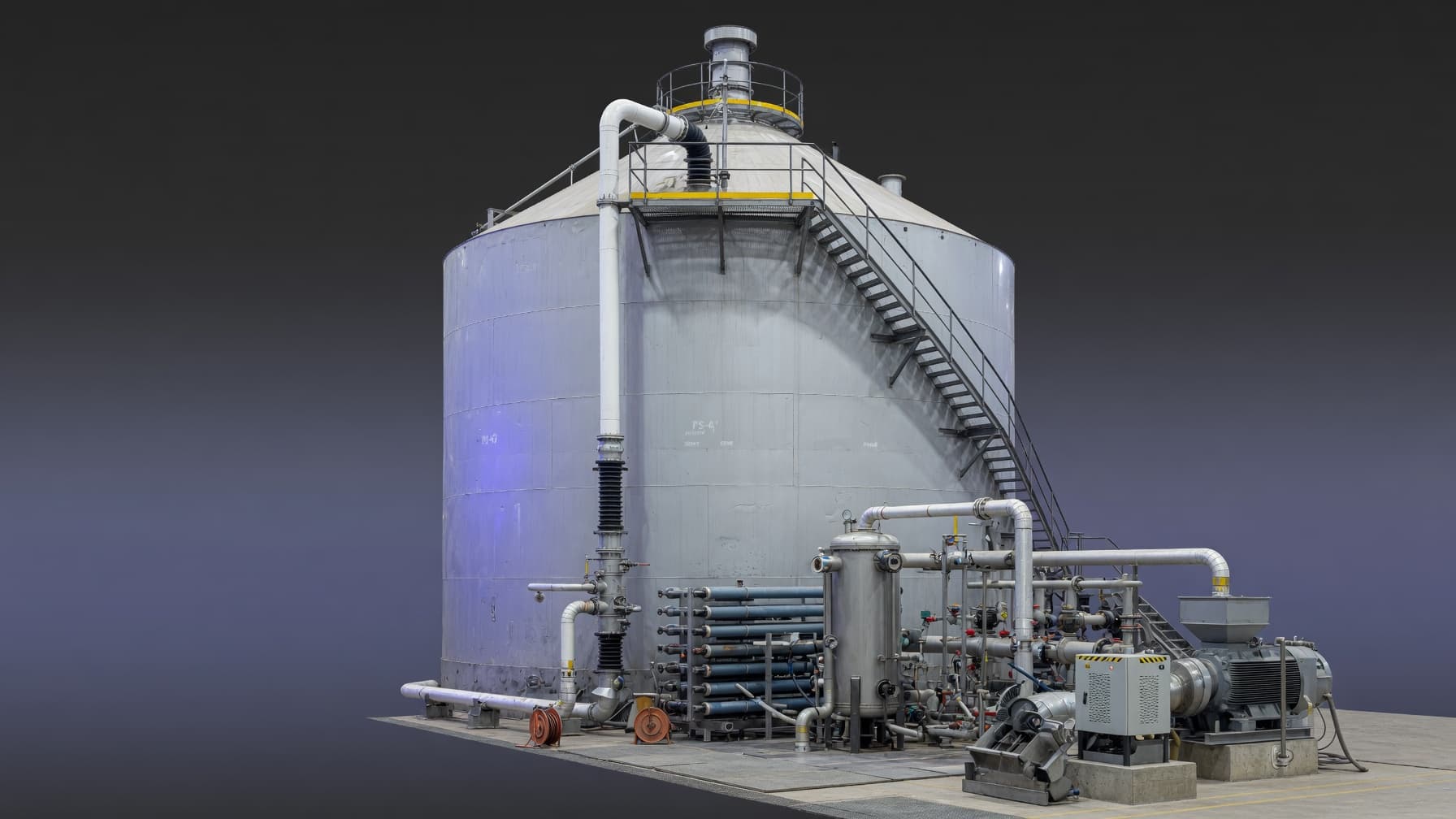
The global polystyrene market is entering another supply adjustment phase after INEOS Styrolution announced the planned closure of its Channahon, Illinois production facility by Q4 2026. The polystyrene market outlook is being reshaped by capacity rationalization, persistent oversupply and changing global production economics.
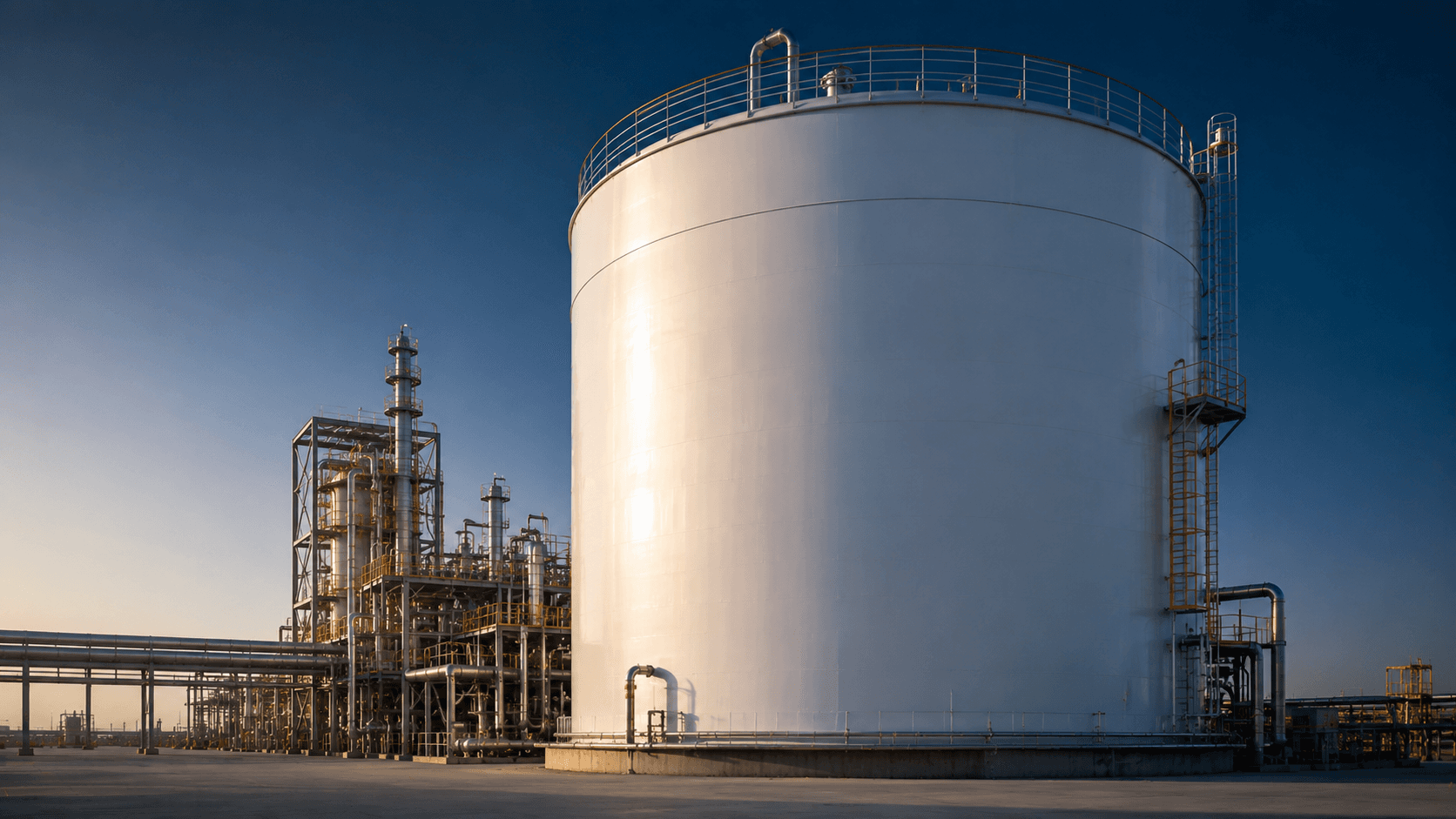
The Channahon site has operated since 1960 with approximately 400,000 tonnes per year of polystyrene production capacity. The closure reflects broader industry pressure as producers reassess assets facing weak margins and lower utilization rates.
For buyers, the development highlights a major shift in the polymer sector. Supply availability may become more regionally balanced, but global oversupply remains a key factor influencing pricing.
INEOS Styrolution Closure Changes Americas Polystyrene Supply
The Channahon facility closure represents one of the larger capacity reductions in the North American polystyrene market. INEOS Styrolution cited ongoing margin pressure, industry utilization rates, site cost structure and long-term market conditions as factors behind the decision.
The Americas Regional Development Center at the site will remain operational, maintaining technical and development capabilities while production ends.
The closure may affect:
Regional production availability.
Customer sourcing strategies.
Domestic supply relationships.
Import requirements for certain buyers.
While the removed capacity is significant, the overall market impact will depend on demand recovery and competing supply sources.
Polystyrene Market Faces Structural Oversupply Challenge
Polystyrene has experienced prolonged market pressure due to supply growth, changing consumer preferences and weaker demand in several end-use sectors.
The industry has faced:
Excess production capacity in global markets.
Increased competition from Asian producers.
Slower growth in traditional applications.
Margin pressure for producers.
Chinese polymer capacity expansion has contributed to global supply availability, creating challenges for producers operating in higher-cost regions.
Capacity closures are becoming a strategy for companies seeking to improve market balance.
Demand Trends Affecting Polystyrene Consumption
Polystyrene remains an important plastic material used across packaging, consumer products and industrial applications. However, demand growth has been slower compared with previous market expectations.
Major applications include:
General-purpose polystyrene (GPPS): Used in packaging, household products and transparent applications.
High-impact polystyrene (HIPS): Used where improved impact resistance is required.
Food packaging and disposable product applications.
Consumer electronics components.
Industrial and specialty applications.
Demand recovery depends heavily on consumer spending, manufacturing activity and regional economic conditions.
Global Capacity Rationalization Reshapes Polymer Trade Flows
The Channahon closure follows a broader trend of global polystyrene producers reviewing their manufacturing footprints. Older plants with higher operating costs are facing increased pressure as competition intensifies.
Capacity rationalization can create a more balanced market over time.
Key market effects include:
Reduced supply from higher-cost facilities.
Greater focus on efficient production assets.
Changes in regional export patterns.
Increased importance of supplier reliability.
For buyers, understanding these shifts helps explain future availability changes.
Chinese Overcapacity Remains a Major Market Factor
China’s expanded polymer production capacity has influenced global plastics markets by increasing available supply and intensifying competition.
For polystyrene buyers, Chinese supply has become an important factor in procurement decisions because it affects:
Global price benchmarks.
Regional import competition.
Producer margins.
Supply availability.
The challenge for global producers is balancing capacity with realistic demand growth.
Impact on Polystyrene Buyers and Procurement Teams
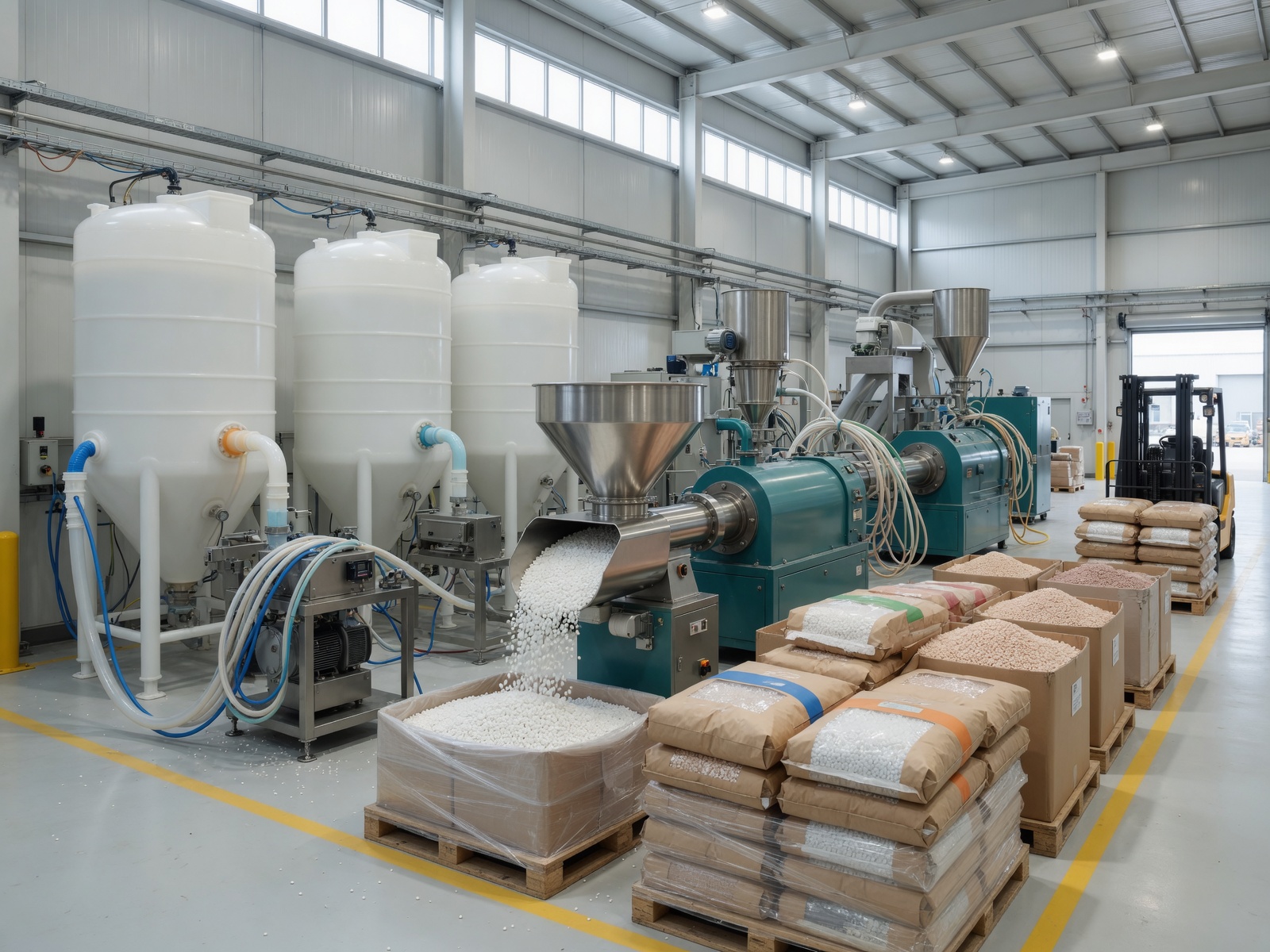
The closure creates a need for buyers to reassess supply strategies, especially customers that previously depended on regional production from the Channahon facility.
Procurement teams should review:
Current supplier concentration.
Contract coverage beyond 2026.
Alternative regional producers.
Import opportunities.
Inventory planning requirements.
A diversified supplier base can reduce exposure to future capacity changes.
Pricing Outlook for Polystyrene Through H2 2026
Polystyrene pricing will depend on whether capacity reductions improve market balance faster than demand weaknesses continue.
Potential price-supporting factors include:
Reduced regional production capacity.
Improved utilization rates.
Higher raw material costs.
Potential price-limiting factors include:
Global oversupply.
Weak downstream demand.
Competitive imports.
Slow economic recovery.
The market may experience a transition period as producers adjust capacity and buyers evaluate new supply arrangements.
Raw Material Market Influence on Polystyrene
Polystyrene production depends primarily on styrene monomer availability and pricing. Changes in upstream feedstock markets influence production economics and resin pricing.
Important factors include:
Styrene supply conditions.
Energy costs.
Refinery and petrochemical operations.
Regional logistics costs.
Procurement teams should monitor upstream markets alongside polymer trends.
Supply Strategy for Polystyrene Buyers in 2026
The changing polystyrene landscape requires a more active sourcing approach. Buyers should focus on long-term reliability rather than relying only on short-term market pricing.
Effective strategies include:
Developing relationships with multiple producers.
Reviewing alternative origins.
Monitoring capacity announcements.
Negotiating flexible contract terms.
Evaluating total delivered costs.
These steps can help companies manage supply changes as the industry restructures.
Looking Ahead to 2027: Polystyrene Industry Rebalancing
The polystyrene sector is moving through a period of structural change as producers adjust capacity to match market realities. The INEOS Styrolution Channahon closure reflects a wider industry trend toward fewer but more competitive production assets.
For buyers, the next phase will focus on supply reliability, regional availability and supplier flexibility. Capacity reductions may support healthier market conditions over time, but demand recovery remains essential.
Companies that track production changes and maintain adaptable sourcing strategies will be better positioned as the global polystyrene market evolves.
Ready to source General-Purpose Polystyrene (GPPS) from verified global suppliers? Explore competitive offers on our platform today.
General-Purpose Polystyrene (GPPS) CAS: 9003-53-6