Related Insights

EPA Diesel Emissions Proposal Debate: What Agricultural Pushback Means for Fertilizer Supply Chains
Debate over the EPA's updated diesel emissions proposal continues as industry groups argue that the framework does not fully address the needs of small-truck operators and agriculture-dependent businesses. Procurement professionals should understand how regulatory changes could affect fertilizer logistics and transportation costs.

The European Chemical Industry's Sustainability Agenda Scaling Back: What C&EN Confirms
Europe's sustainability framework continues to evolve as policymakers balance environmental ambitions with industrial competitiveness. Procurement professionals should understand which compliance requirements remain on schedule and which have been deferred to build realistic compliance roadmaps.

TSCA Cybersecurity and Chemical Plant Reporting: The Iranian PLC Advisory's Compliance Implications
Cybersecurity is increasingly intersecting with environmental compliance and operational governance in the chemical industry. Understanding how cyber risk influences facility compliance helps procurement, sustainability and regulatory teams strengthen supplier oversight.

India Duty Waiver Expiry: Impact on Petrochemical Imports and Chemical Buyers
India duty waiver expiry is creating urgent decisions for chemical importers and manufacturers as the customs exemption deadline approaches. Buyers must assess possible cost increases across key petrochemical products and adjust Q3 sourcing strategies.

PFAS July 7 Hearing Countdown: Key Insights for Food Chemical Buyers Ahead of H2 2026
The EPA’s July 7 PFAS hearings will shape the regulatory landscape for the food industry. Chemical buyers must understand how differing US and EU rules influence H2 2026 sourcing of key ingredients such as citric acid, sucralose, and corn starch. Early action can secure supply and compliance.
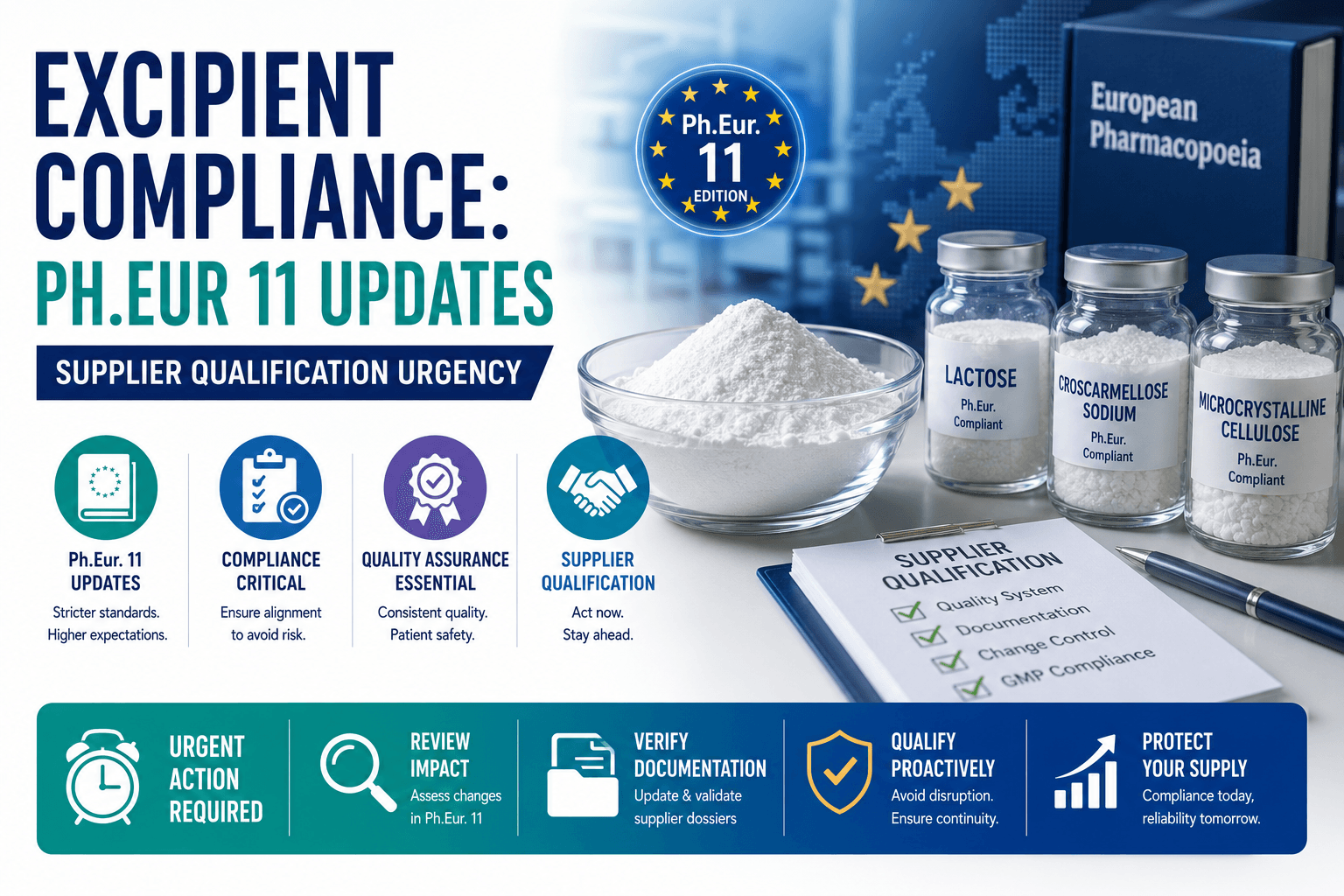
Excipient Compliance: Ph.Eur 11 Updates and Supplier Qualification Urgency
Ph.Eur 11 introduces updated compliance standards for pharmaceutical excipients in 2026, requiring suppliers to provide revised CoA documentation and updated testing procedures. Procurement teams should immediately verify supplier readiness to avoid regulatory and supply chain risk.
Don't miss out on our updates! Subscribe to our newsletter now
We're committed to your privacy. Tradeasia uses the information you provide to us to contact you about our relevant content, products, and services. For more information, check out our privacy policy.