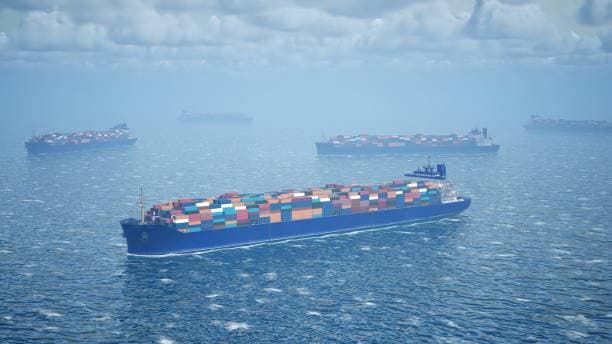

A record 16 million barrels of oil moved through the Strait of Hormuz on June 21, 2026, creating a major supply signal for global energy and chemical markets. For petrochemical buyers, the key issue is not only whether vessels are moving, but how quickly this transit activity translates into physical availability of products such as MEG, PTA, methanol and polymer feedstocks.
The Strait of Hormuz remains one of the most important trade routes for global energy-linked industries. Continued vessel movement from Gulf exporters could reduce supply pressure, but procurement teams need to consider shipping lead times, port congestion and downstream inventory levels before expecting immediate market changes.
What the June 21 Strait of Hormuz Transit Record Means for Chemical Buyers
The reported transit volume represents a significant shift from recent uncertainty around Gulf shipping conditions. While political statements created mixed signals about the status of the route, actual vessel movement provides a more practical indicator for traders.
For chemical buyers, physical supply recovery depends on several steps:
Crude and feedstock cargoes must continue moving from Gulf producers without major interruption. Stable vessel flows create the foundation for improved petrochemical production.
Export terminals must maintain normal loading operations. A shipping route alone does not guarantee product availability if upstream or terminal activity slows.
Cargo arrival schedules must match buyer demand. A delay of even several days can affect spot availability and regional pricing.
The market response will likely depend on whether the June 21 transit level continues. A single high-volume day improves confidence, but sustained flows will create a clearer recovery trend.
How Petrochemical Supply Recovery Timelines Are Expected to Develop
The main question for procurement managers is when Gulf-origin products could reach destination markets. Shipping timelines provide the first estimate.
Historical transit patterns suggest Gulf-to-India routes may require around 10 to 18 days, while Gulf-to-China shipments often require approximately 20 to 30 days depending on vessel schedules and port conditions.
This means buyers may begin seeing early signs of improved availability by early to mid July if shipping activity remains stable.
The recovery timeline for key petrochemical products may vary:
MEG supply could improve as Gulf production and exports normalize, supporting polyester and packaging industries.
PTA availability may respond gradually because buyers also depend on inventory levels and downstream operating rates.
Methanol markets may see changes based on export volumes, regional demand and alternative supply sources.
Polymer feedstocks may require additional time because converters and manufacturers often rebuild inventories cautiously after supply disruptions.
The first market reaction may appear through improved spot availability before a full price adjustment takes place.
Global Petrochemical Market Pressure After Supply Disruptions
Petrochemical markets operate through complex international networks. A disruption in a major exporting region can affect buyers thousands of kilometers away because many industries rely on consistent feedstock access.
Gulf producers play a significant role in supplying energy-linked chemicals to Asia, Africa and other regions. When shipping uncertainty increases, buyers often respond by increasing safety stocks, which can tighten availability further.
Procurement teams should monitor three signals closely:
Vessel movements and export activity from Gulf terminals.
Regional inventory levels at major ports.
Spot market pricing compared with contracted supply.
These indicators often provide a clearer picture than headlines alone because chemical markets respond to actual cargo movement.
Key Price Drivers in the Petrochemical Supply Chain
Petrochemical pricing does not change only because supply improves. Buyers must evaluate multiple cost factors before making purchasing decisions.
The main drivers include:
Feedstock costs. Crude oil and natural gas prices influence many petrochemical production costs, especially for products linked to ethylene and methanol chains.
Freight availability. Shipping rates and vessel access can affect delivered chemical costs even when production remains stable.
Regional demand. Strong manufacturing activity can absorb additional supply quickly.
Inventory strategy. Buyers with low inventories may continue purchasing aggressively despite improving supply conditions.
Market participants should avoid assuming that higher transit volumes immediately create lower prices. Recovery usually moves through stages, from improved logistics to better inventory availability and finally to pricing adjustments.
Supply Chain Risks That Chemical Importers Should Watch
Even with improving vessel activity, chemical buyers still face several supply chain risks. Global trade routes remain sensitive to geopolitical developments, port operations and unexpected logistics constraints.
Importers and distributors should maintain visibility across:
Supplier production schedules and export commitments.
Vessel booking availability.
Port arrival timing.
Customer demand changes.
A balanced sourcing strategy can reduce exposure when markets shift quickly. Many buyers now evaluate multiple origins instead of depending on a single supply region.
Why MEG, PTA, Methanol and Polymer Buyers Are Watching Gulf Recovery
The Gulf region remains closely connected to several major petrochemical value chains. Products linked to packaging, textiles, plastics and industrial manufacturing depend on reliable feedstock availability.
For buyers of these materials, supply recovery could improve planning confidence. However, procurement decisions should consider actual cargo arrival dates rather than relying only on export announcements.
Some industries may recover faster than others:
Packaging manufacturers may respond quickly when polymer availability improves.
Textile producers may require stable MEG and PTA supply before increasing production.
Industrial chemical users may wait for consistent delivery patterns before rebuilding inventories.
The recovery process will likely be gradual rather than immediate.
What Procurement Teams Need to Know Before July Supply Changes
Procurement managers should prepare for a market where availability improves but uncertainty remains. The next few weeks may create opportunities for buyers who track supply movements carefully.
Recommended actions include:
Review current inventory coverage and avoid unnecessary emergency purchases if supply signals continue improving.
Compare offers from multiple suppliers to understand real market conditions.
Confirm shipping schedules before committing to large-volume purchases.
Monitor supplier reliability alongside pricing.
The strongest buying decisions will come from combining market intelligence with direct supplier communication.
Looking Ahead to 2027 and Beyond in Petrochemical Trade
The June 21 transit record provides a positive signal for global chemical supply recovery, but long-term market stability will depend on more than shipping activity. Producers, traders and buyers will continue watching geopolitical conditions, energy prices and industrial demand patterns.
For international chemical traders, the event highlights the importance of flexible sourcing networks. Companies that maintain strong supplier relationships and accurate market visibility can respond faster when supply conditions change.
As Gulf cargo flows stabilize, buyers may find improved access to key petrochemical materials. The next stage of the market will depend on how consistently these supply improvements translate into physical product availability across destination markets. Ready to source petrochemical feedstocks from verified global suppliers? Explore competitive offers on our platform today.
Monoethylene glycol CAS: 107-21-1