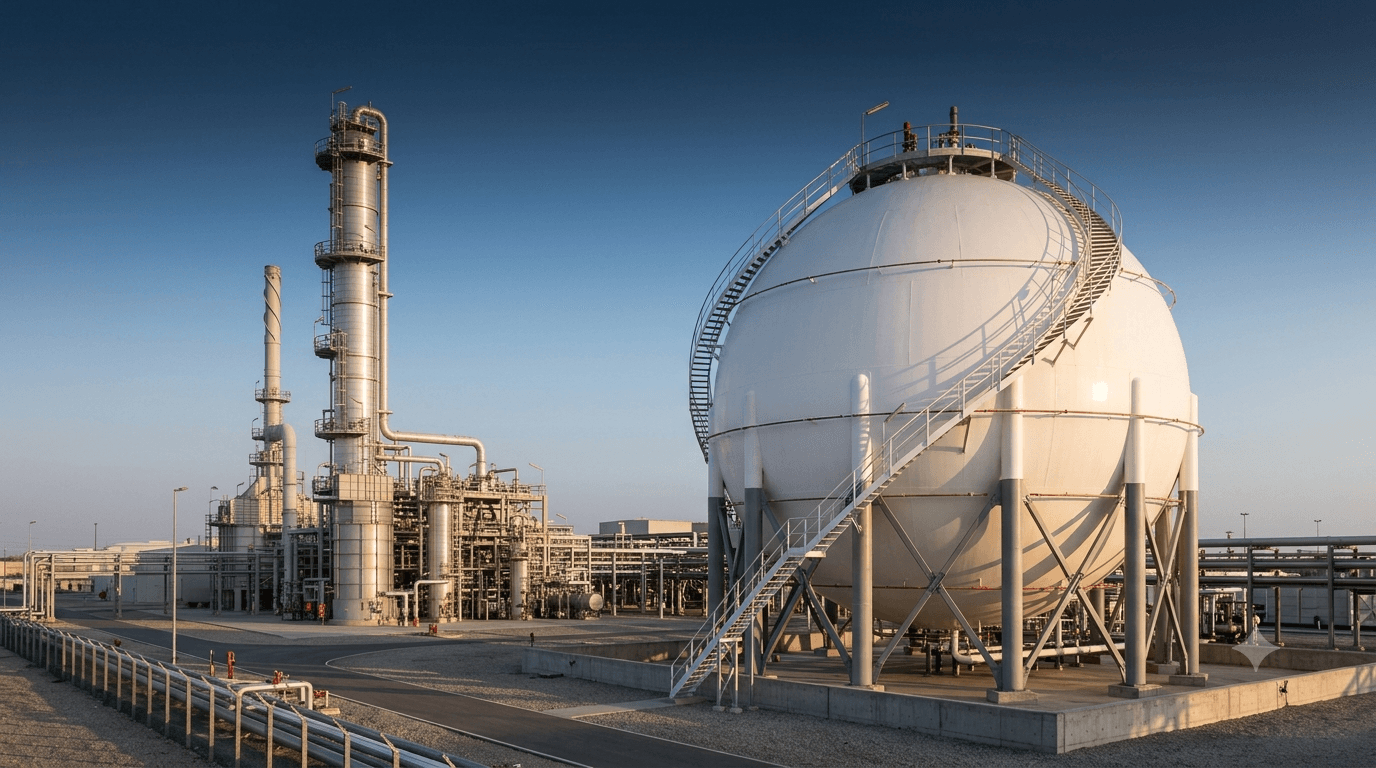

Sulfur is one of the world's most important industrial raw materials, supporting fertilizer production, metal processing, battery manufacturing, and numerous chemical processes. After months of export disruption, the gradual recovery of Gulf sulfur shipments is expected to improve global supply and reduce pressure across several downstream industries.
Although export operations are beginning to recover, market normalization will take time. Production, shipping schedules, inventory replenishment, and downstream sulfuric acid manufacturing must all return to regular operating levels before buyers experience meaningful improvements in availability and pricing. Companies dependent on sulfur-based products should continue monitoring market developments while maintaining flexible procurement strategies.

Why Sulfur Is Essential to Global Industry
Sulfur is a critical feedstock used across multiple industrial sectors and supports the production of numerous high-value chemical products.
Major applications include:
Fertilizer manufacturing
Sulfuric acid production
Mining operations
Battery manufacturing
Metal processing
Industrial chemicals
Changes in sulfur availability often influence pricing across several downstream industries.
Liquid Ammonia CAS: 166412-78-8
Sulfuric Acid Markets Depend on Reliable Sulfur Supply
Sulfuric acid is one of the highest-volume industrial chemicals produced globally.
Its primary applications include:
Phosphate fertilizers
Battery production
Metal extraction
Chemical manufacturing
Water treatment
Petroleum refining
Improved sulfur availability generally supports more stable sulfuric acid production over time.
Multiple Industries Benefit from Improved Supply
As sulfur exports recover, downstream industries may gradually experience improved procurement conditions.
Potential beneficiaries include:
Fertilizer manufacturers
Battery material producers
Mining companies
Chemical manufacturers
Metal processors
Industrial distributors
Supply improvements typically move through the value chain over several weeks rather than immediately.
Procurement Teams Should Continue Monitoring Inventories
Although supply conditions are improving, procurement teams should maintain disciplined inventory management.
Recommended actions include:
Review current inventory.
Confirm supplier delivery schedules.
Monitor sulfur pricing.
Track sulfuric acid availability.
Maintain secondary suppliers.
Update procurement forecasts.
Careful planning helps reduce operational disruptions during the recovery period.
Diversified Sourcing Remains Important
Many industrial buyers continue strengthening supply chain resilience by expanding their supplier networks.
Best practices include:
Multiple supply regions
Long-term contracts
Strategic inventories
Flexible logistics
Supplier qualification
Continuous market monitoring
Diversification helps reduce exposure to future geopolitical or logistics disruptions.

Procurement Priorities for H2 2026
Industrial procurement teams should balance improving market conditions with prudent risk management.
Priority actions include:
Monitor sulfur export recovery.
Secure sulfuric acid supply agreements.
Review fertilizer raw material requirements.
Evaluate regional sourcing opportunities.
Maintain inventory flexibility.
Continue supplier performance reviews.
These measures support stable production and long-term procurement efficiency.
Market Outlook
The recovery of Gulf sulfur exports represents a positive development for global chemical supply chains, particularly for fertilizer producers, mining operations, and battery manufacturers that rely heavily on sulfuric acid. While improving logistics and export activity should gradually increase sulfur availability, complete market normalization will depend on sustained production, shipping efficiency, and downstream manufacturing recovery.
Businesses that maintain diversified sourcing strategies, monitor market intelligence closely, and secure long-term supply agreements will be better positioned to benefit from improving market conditions while remaining protected against future supply disruptions.
Key Takeaways
Sulfur remains a vital raw material for numerous industrial sectors.
Improving Gulf exports support stronger global sulfur availability.
Sulfuric acid markets should gradually benefit from increased supply.
Fertilizer and battery industries remain major sulfur consumers.
Procurement teams should continue monitoring inventory and supplier performance.
Diversified sourcing improves long-term supply security.
Strategic procurement planning reduces operational risk.
Q3 2026 is expected to bring gradually improving sulfur market conditions.