
A major shift is underway in the global sulfuric acid market. Morocco's OCP Group has significantly increased sulfuric acid consumption as it expands phosphate processing operations at Jorf Lasfar, creating a new layer of demand pressure across international sulfur and acid supply chains.
As the world's largest phosphate producer, OCP now plays an increasingly important role in balancing fertilizer markets. Its growing appetite for sulfuric acid arrives at a time when Indonesian nickel projects continue to absorb large volumes of sulfur-based feedstocks, creating tighter market conditions for buyers worldwide.
For procurement teams involved in fertilizers, mining chemicals and industrial processing, sulfuric acid has become more than a commodity input. It is now a strategic raw material whose availability depends heavily on global trade flows and large-scale industrial expansion projects.
Why OCP Morocco Matters to the Sulfuric Acid Market
The phosphate industry represents one of the largest consumers of sulfuric acid globally.
OCP converts phosphate rock into phosphoric acid, which then serves as the foundation for numerous phosphate fertilizer products. Every expansion in phosphate processing capacity translates into additional sulfuric acid demand.
Several factors have amplified OCP's influence:
• OCP has increased processing capacity to support growing fertilizer demand from agricultural markets worldwide.
• The company has emerged as a critical supplier during periods of market disruption, helping stabilize phosphate fertilizer availability.
• Larger production volumes require sustained sulfuric acid consumption throughout the year rather than seasonal purchasing patterns.
This shift has elevated Morocco into one of the most important destinations for internationally traded sulfur.
How Sulfuric Acid Supports Phosphate Fertilizer Production
Sulfuric acid serves as a key reagent in phosphate processing.
Manufacturers react phosphate rock with sulfuric acid to produce phosphoric acid, which becomes the building block for fertilizers such as monoammonium phosphate and diammonium phosphate.
The process offers several advantages:
• High conversion efficiency for phosphate rock processing.
• Consistent production of phosphoric acid suitable for fertilizer manufacturing.
• Large-scale industrial economics that support global agricultural supply chains.
Because fertilizer demand remains closely linked to food production, sulfuric acid consumption in this sector tends to remain structurally strong even during periods of economic uncertainty.
Global Sulfur Supply Is Being Redirected
Growing Moroccan demand has altered traditional sulfur trade routes.
Sulfur recovered from oil refining and natural gas processing in North America increasingly moves toward export markets where demand growth remains strongest. Morocco has become one of the leading destinations for these shipments.
At the same time, Asian buyers continue competing for available sulfur cargoes.
Key supply sources include:
• Canada, which remains one of the world's largest sulfur exporters.
• The United States, where refinery by-product sulfur supports international trade.
• Middle Eastern producers that supply both regional and global markets.
• Central Asian exporters serving nearby fertilizer and industrial consumers.
As more sulfur volumes flow toward Morocco and Asia, buyers in other regions may face tighter availability and longer procurement cycles.
Indonesian Nickel Projects Add Another Layer of Demand
While phosphate production drives demand in Morocco, Indonesia has become another major growth center.
High-pressure acid leach operations used in nickel processing consume significant volumes of sulfuric acid. These projects support the electric vehicle battery supply chain and continue expanding capacity.
The result is a market influenced by two powerful demand engines:
• Fertilizer production linked to food security.
• Battery materials linked to energy transition investments.
Together, these sectors create a strong structural foundation for sulfuric acid consumption.
Brent Crude Below $80 and Its Effect on Market Economics
Energy markets remain an important factor for sulfur and sulfuric acid producers.
With Brent crude trading below $80 per barrel, sulfur-burning sulfuric acid plants benefit from somewhat improved operating economics. Lower energy-related costs can support production margins and help offset some manufacturing expenses.
However, lower oil prices do not fully solve supply tightness.
The current market challenge stems primarily from demand growth rather than production costs. Rising consumption from phosphate and nickel industries continues to exert greater influence on market fundamentals than short-term energy price movements.
Factors Driving Sulfuric Acid Prices in 2026
Several interconnected forces influence sulfuric acid pricing.
Demand growth remains the dominant factor. Large industrial consumers continue increasing purchasing volumes, creating competition for available supply.
Additional pricing drivers include:
• Sulfur feedstock availability and export volumes.
• Freight costs across major shipping routes.
• Fertilizer production rates in Morocco and other key agricultural markets.
• Nickel processing activity throughout Southeast Asia.
• Regional maintenance shutdowns affecting sulfuric acid plants.
• Environmental regulations that influence refinery operations and sulfur recovery rates.
Procurement teams should monitor all these variables rather than focusing on a single market indicator.
Supply Chain Risks Buyers Should Monitor
Despite significant global production capacity, sulfuric acid supply chains face several vulnerabilities.
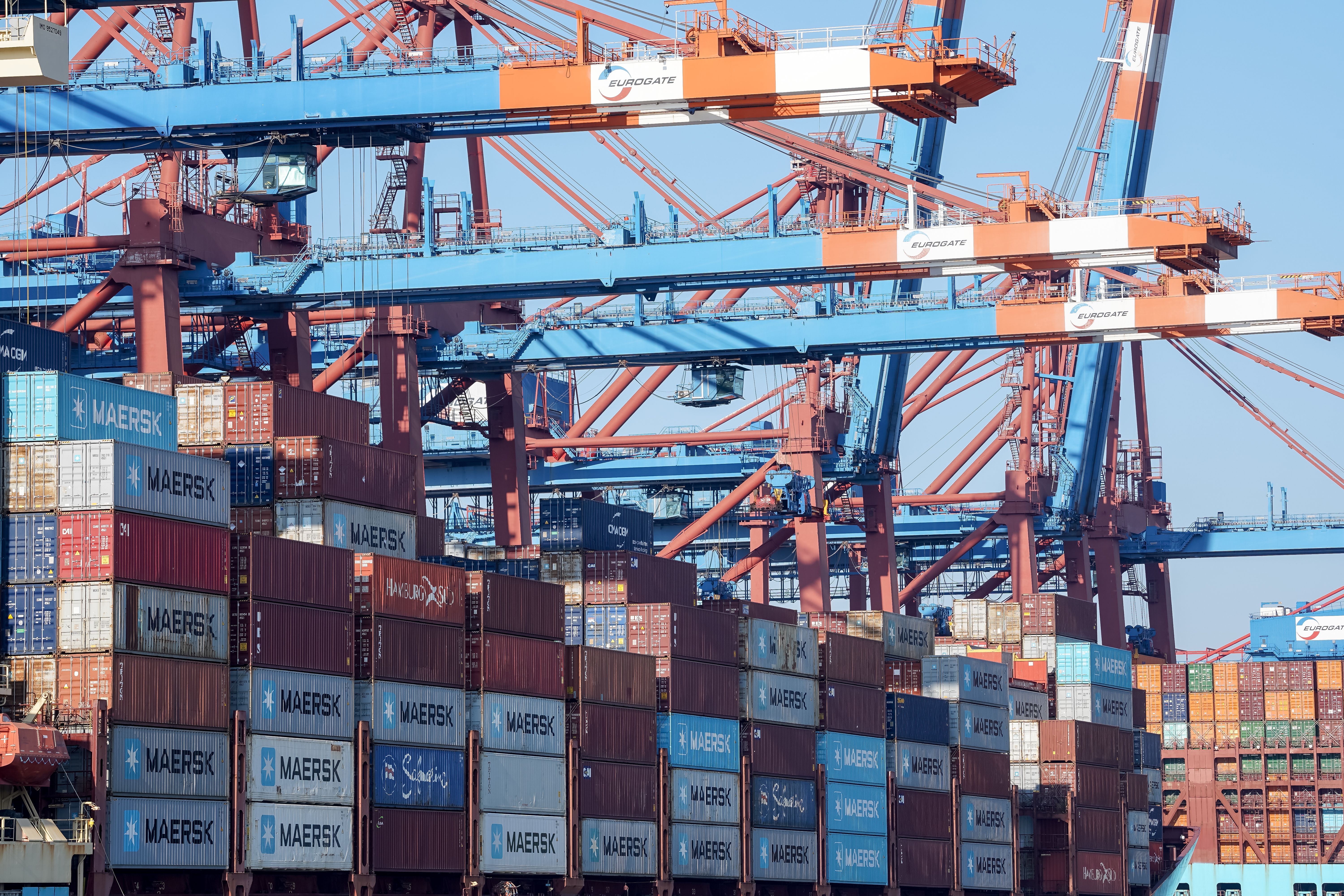
Transportation remains one of the most critical risks. Sulfur and sulfuric acid require specialized logistics infrastructure, limiting flexibility when disruptions occur.
Buyers should pay close attention to:
• Port congestion in major export hubs.
• Shipping delays affecting sulfur feedstock movement.
• Planned maintenance at sulfur recovery units and acid plants.
• Geopolitical developments that influence trade routes.
• Unexpected fertilizer demand surges during key agricultural seasons.
Companies that depend heavily on sulfuric acid often benefit from diversified sourcing strategies and forward procurement planning.
Regional Trade Flows Are Changing
The rise of Morocco as a major sulfur consumer has created noticeable shifts in global trade patterns.
North American sulfur exports increasingly target Morocco due to strong phosphate-sector demand. Meanwhile, Asian markets continue attracting large volumes to support nickel processing and industrial applications.
These changing flows create new opportunities for traders:
• Increased arbitrage opportunities between export regions.
• Greater importance of freight optimization.
• Stronger demand for long-term supply agreements.
• Expanded trading activity around sulfur feedstock markets.
For chemical distributors and international traders, understanding these evolving routes can provide a competitive advantage.
What Procurement Teams Should Do Now
The sulfuric acid market no longer depends solely on traditional industrial demand cycles. Structural growth from phosphate fertilizers and battery materials has created a more competitive procurement environment.
Buyers should evaluate supply exposure well before peak purchasing periods. Monitoring OCP expansion projects, Indonesian nickel developments and sulfur export availability can provide valuable insight into future market conditions.
Organizations that secure diversified supply channels and maintain close relationships with producers may navigate market volatility more effectively than those relying on spot purchases alone.
As OCP continues expanding phosphate production capacity, Morocco's influence on sulfur and sulfuric acid markets will likely remain significant through 2027 and beyond. Ready to source sulfuric acid from verified global suppliers? Explore competitive offers on our platform today.
Sulphuric Acid (60%) CAS: 7664-93-9