Urea (Granular) - Egypt CAS: 57-13-6

China's decision to delay phosphate exports until August, following earlier urea export restrictions, is influencing global fertilizer markets without formal trade bans. Procurement professionals should understand how export timing has become an increasingly important factor in supply chain planning.
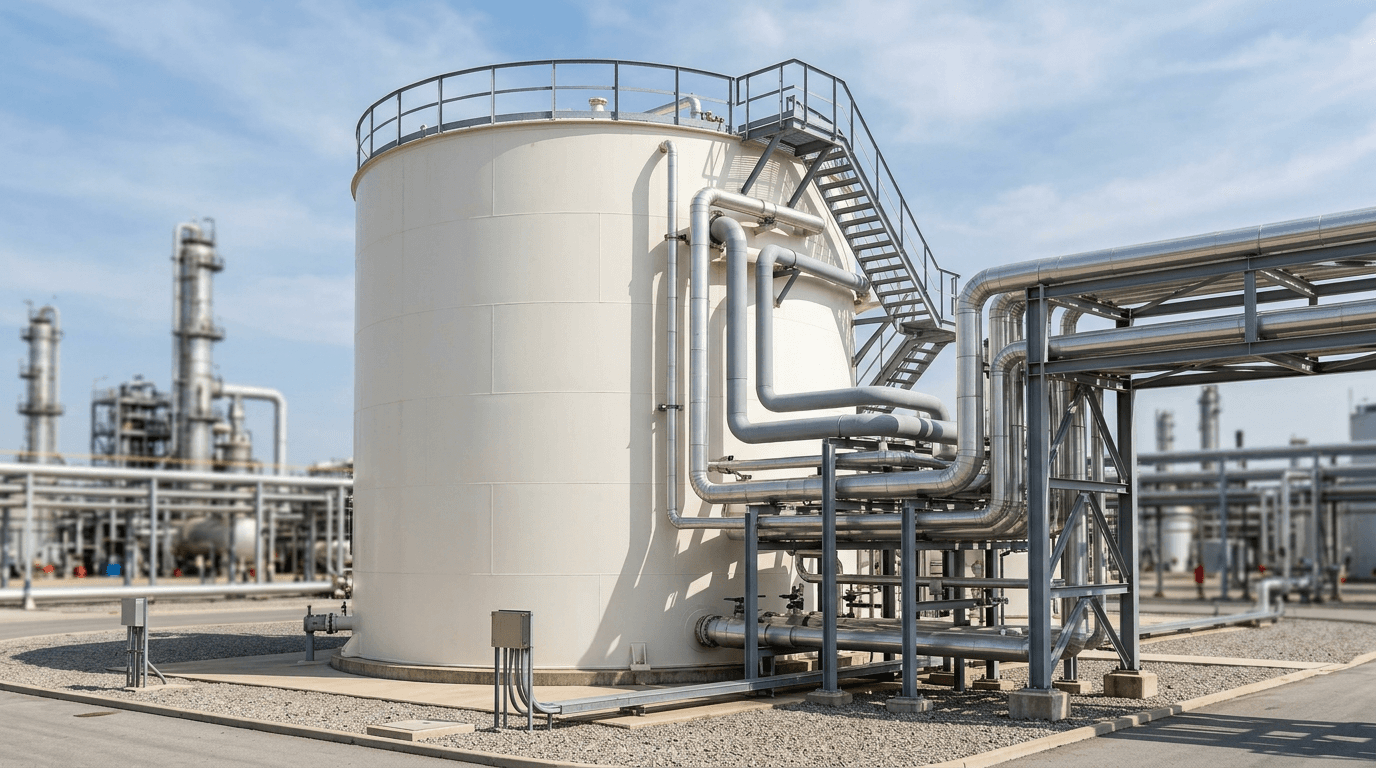
Gulf caustic soda supply is returning as Hormuz trade flows recover, creating new competition for Asian chemical suppliers. This analysis explains how buyers can prepare for changing pricing and sourcing options in Q3 2026.
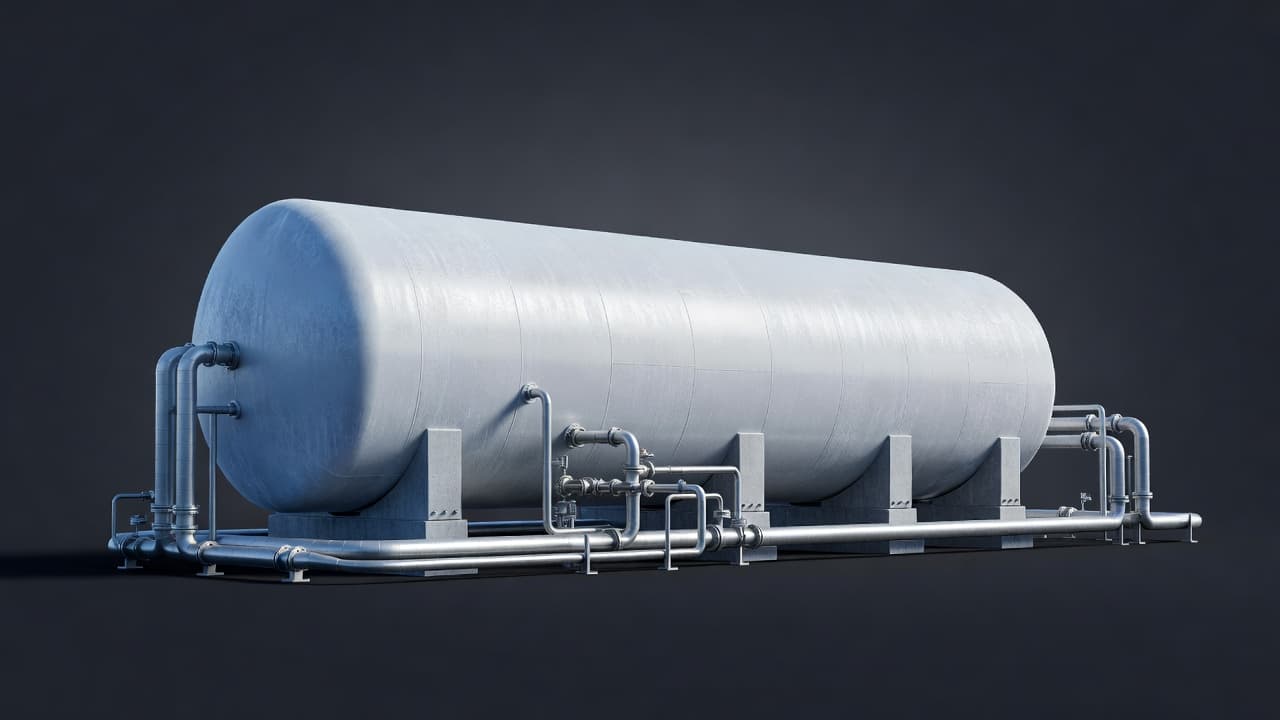
US ethane export capacity is expanding as Enterprise Products develops new Gulf Coast infrastructure, creating new supply options for Asian ethylene producers. The shift could reduce long-term dependence on traditional naphtha-based feedstock routes.
As global shipping routes begin normalizing after the Hormuz disruption, the Panama Canal is experiencing renewed congestion. Chemical shippers should prepare for extended transit times and scheduling uncertainty through Q3 2026.
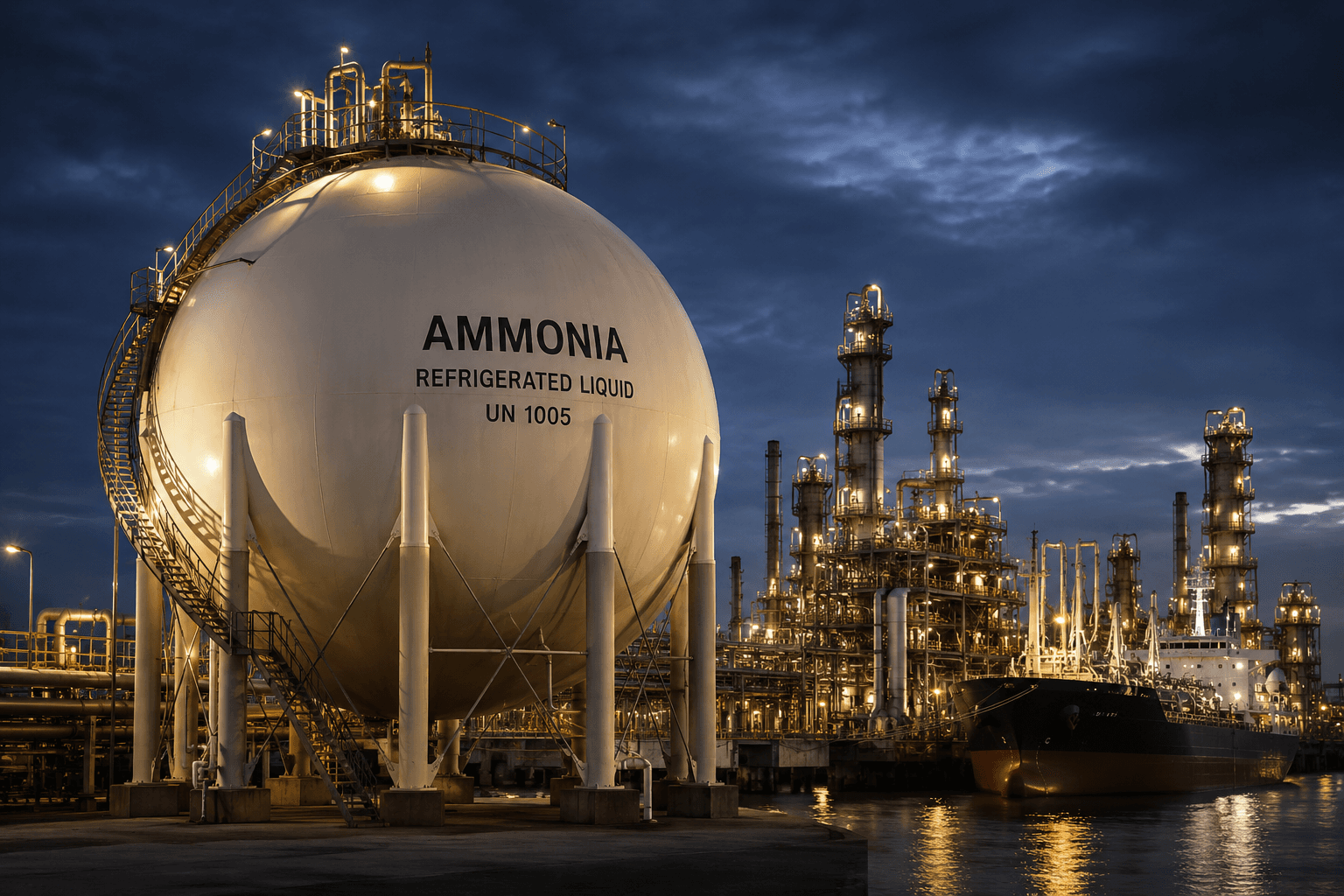
The shutdown of Iranian ammonia production alongside QatarEnergy's force majeure has intensified pressure across global nitrogen fertilizer markets. Procurement teams now face rising prices, constrained supply and a growing need to diversify sourcing strategies beyond the Middle East.
Europe’s chemical industry has lost 37 million tonnes of production capacity since 2022 as plant closures accelerate across the region. For global buyers, shrinking European supply is becoming a major long-term sourcing risk that extends far beyond Europe itself.
We're committed to your privacy. Tradeasia uses the information you provide to us to contact you about our relevant content, products, and services. For more information, check out our privacy policy.