The arrival of Tropical Storm Arthur on the Texas coast has reminded procurement teams that weather remains one of the most important supply chain risks for food ingredient markets. Although the storm reached land with sustained winds of around 45 mph, precautionary shutdowns across petrochemical plants, refineries, ports and transport networks have once again exposed how dependent many industrial supply chains remain on the US Gulf Coast.
For buyers of corn starch, glucose and dextrose, Arthur may not create long lasting shortages on its own. However, its timing at the beginning of the 2026 Atlantic hurricane season signals that supply disruption risk should remain part of procurement planning throughout the second half of the year, particularly during September and October when stronger storms have historically developed.
Why Tropical Storm Arthur Matters Beyond the Petrochemical Industry
Many food ingredient buyers do not immediately associate tropical storms with starch or sweetener procurement. Yet the Gulf Coast supports one of the world's largest concentrations of industrial infrastructure.
Chemical manufacturing, refining, storage terminals, export facilities and transportation networks all operate as interconnected systems. Even when corn wet milling plants remain operational, disruptions elsewhere can slow the movement of raw materials, packaging, fuel or finished products.
Short term impacts often include:
Temporary plant shutdowns while facilities prepare for severe weather.
Port congestion as vessel schedules shift and cargo handling pauses.
Rail and trucking delays caused by flooding or precautionary service reductions.
Higher freight costs as transport capacity tightens.
These issues frequently appear before physical damage occurs.
Gulf Coast Infrastructure Supports Food Ingredient Supply Chains
Corn starch, glucose syrup and dextrose originate primarily from corn wet milling operations located across the US Midwest. Even so, Gulf Coast infrastructure plays a critical supporting role.
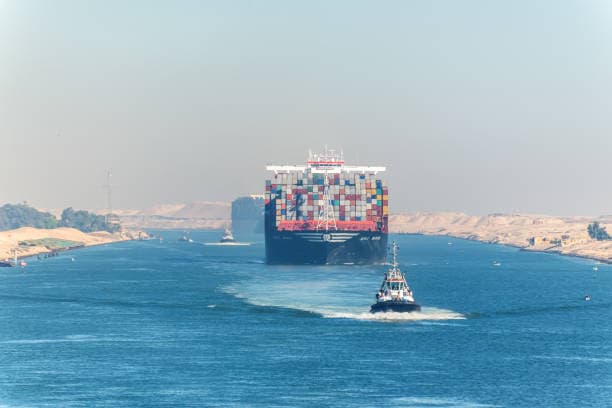
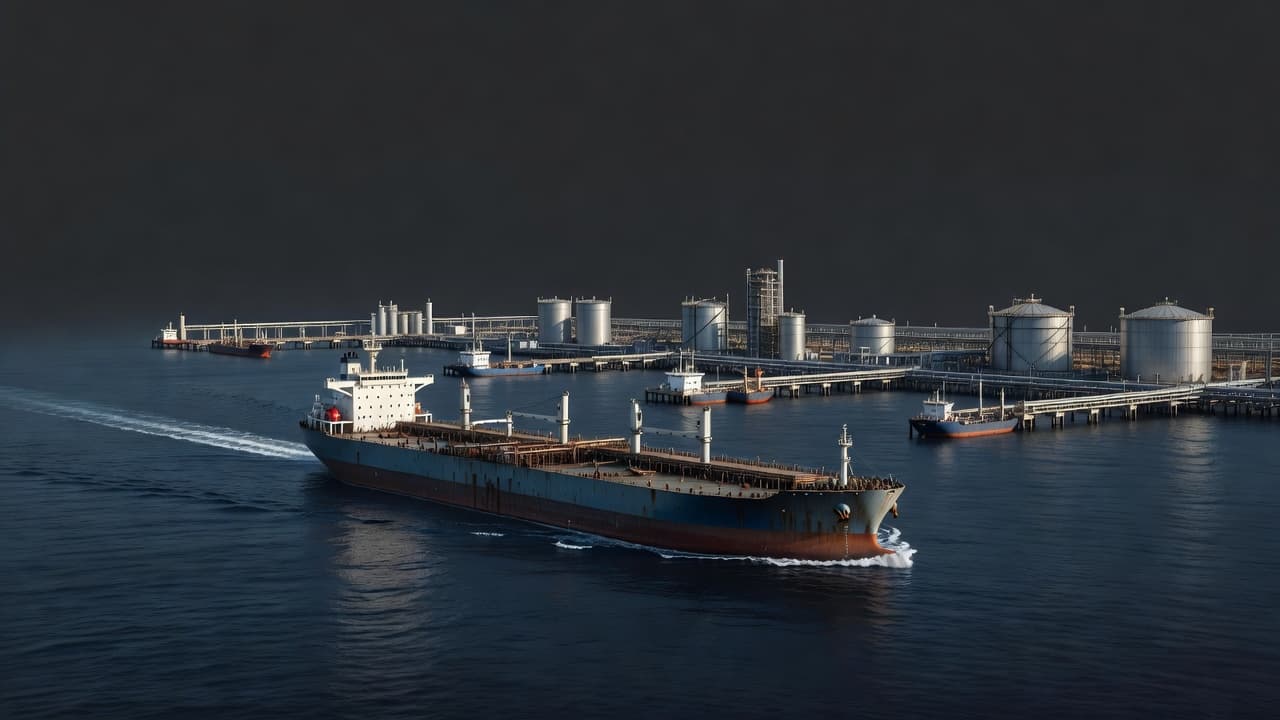
Large export terminals connect North American producers with buyers across Asia, Latin America, the Middle East and Africa. Storage facilities, shipping companies and logistics providers concentrated along Texas and Louisiana help move significant export volumes every month.
Refineries also provide fuels required for freight transportation while chemical manufacturers produce materials used in food packaging, industrial processing and manufacturing operations.
When multiple parts of this ecosystem slow simultaneously, procurement lead times often increase.
Corn Starch, Glucose and Dextrose Face Indirect Supply Risks
Unlike petrochemicals that are manufactured directly on the Gulf Coast, food ingredients experience mostly indirect disruption.
Several risk factors deserve attention.
Corn wet milling depends on reliable logistics rather than only manufacturing capacity. Transport interruptions can delay deliveries even when production continues normally.
Export shipments may wait longer for vessel availability if ports suspend operations during storms.
Packaging materials, industrial chemicals and maintenance supplies may arrive later if regional manufacturing slows.
Truck availability frequently becomes tighter after severe weather because transport companies reposition equipment toward affected regions.
These pressures rarely create immediate shortages, but they can extend delivery schedules by days or weeks depending on storm intensity.
Why Hurricane Season Should Influence H2 2026 Procurement
Arthur represents only the first named storm of the Atlantic season.
Historically, the strongest Gulf Coast storms develop later in the season. September and October have produced many of the hurricanes that caused widespread industrial shutdowns, prolonged port closures and major logistics disruptions.
Procurement teams should therefore view Arthur as an early market signal rather than an isolated weather event.
The greatest procurement risk may not come from Arthur itself, but from the cumulative effect of multiple storms during the coming months.

Logistics Often Become the Biggest Bottleneck
Weather disruptions affect more than manufacturing output.
Supply chains rely on synchronized movement between factories, warehouses, trucking companies, rail operators and marine terminals. When one link slows, delays spread across the network.
Common logistics challenges include:
Longer vessel waiting times due to revised port schedules.
Rail congestion as operators inspect infrastructure before reopening.
Reduced truck availability across affected states.
Higher insurance and freight costs during severe weather periods.
For international buyers, these factors can influence arrival dates even when production remains stable.
Pricing Could Become More Volatile
Weather uncertainty often changes buying behavior before it changes production.
Some purchasers increase inventories ahead of forecast storms while suppliers may delay quotations until logistics become clearer. Freight providers also adjust pricing when equipment availability becomes constrained.
As a result, buyers may experience:
More frequent quotation revisions.
Wider freight cost fluctuations.
Shorter quotation validity periods.
Longer confirmation times for shipment schedules.
Price volatility during hurricane season does not always reflect supply shortages. Market sentiment frequently contributes to temporary price movements.
Building a More Resilient Procurement Strategy
Procurement teams can reduce exposure through preparation rather than reaction.
Several practical measures deserve consideration during H2 2026.
Review supplier diversification. Multiple qualified suppliers across different regions reduce dependence on a single logistics corridor.
Monitor inventory levels more closely during peak hurricane months. Slightly higher safety stocks may prevent costly production interruptions.
Confirm shipping schedules earlier than usual. Vessel bookings often become more competitive when weather forecasts worsen.
Maintain regular communication with logistics providers. Early visibility into transport delays supports better planning.
Evaluate alternative ports where practical. Diversified export routes can improve delivery flexibility.
These actions do not eliminate weather risk, but they improve operational resilience.
Global Buyers Should Watch More Than Weather Forecasts
International procurement teams should monitor several market indicators alongside hurricane tracking.
Important signals include:
Port operating status.
Rail service announcements.
Refinery restart schedules.
Freight rate movements.
Export vessel queues.
Supplier operating updates.
Together these indicators provide a more complete picture than storm intensity alone.
Market Outlook for Food Ingredient Buyers
Current evidence suggests Tropical Storm Arthur will primarily create temporary operational disruption rather than long term structural shortages.
Nevertheless, Arthur reinforces an important procurement lesson. Weather resilience remains a competitive advantage for companies purchasing food ingredients linked directly or indirectly to Gulf Coast logistics.
If additional tropical systems develop during late summer or early autumn, cumulative disruption could become more significant than any individual storm.
Procurement planning should therefore remain flexible throughout the remainder of the hurricane season.
What Buyers Should Do Now
The start of hurricane season should serve as a planning milestone rather than a reason for alarm. Companies sourcing corn starch, glucose and dextrose can strengthen supply continuity by reviewing inventories, confirming supplier readiness and monitoring Gulf Coast logistics throughout H2 2026.
Forward purchasing decisions should balance inventory costs against potential transportation delays, especially for shipments scheduled during September and October. Buyers that prepare before disruption occurs generally maintain stronger delivery performance than those reacting after logistics become constrained.
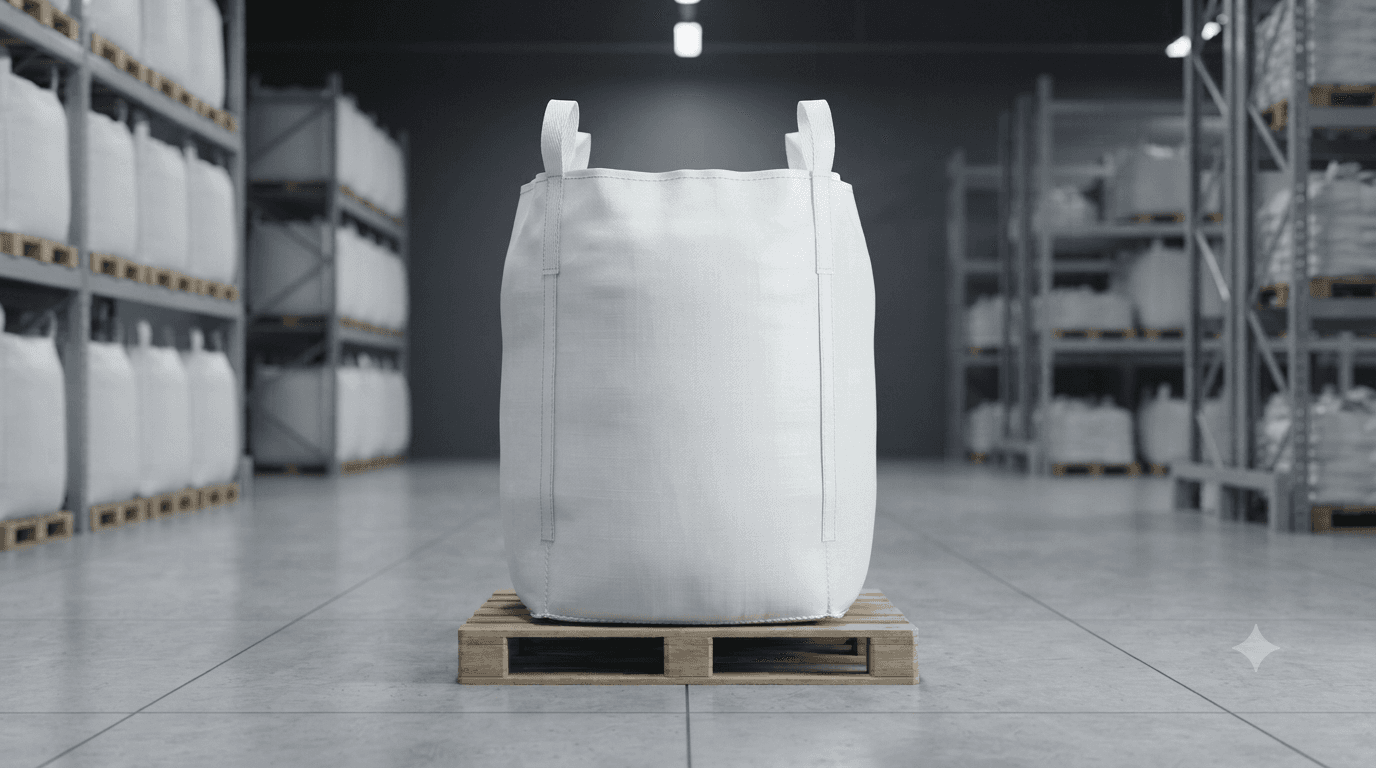
Ready to source corn starch from verified global suppliers? Explore competitive offers on our platform today.
Corn Starch CAS: 9005-25-8