
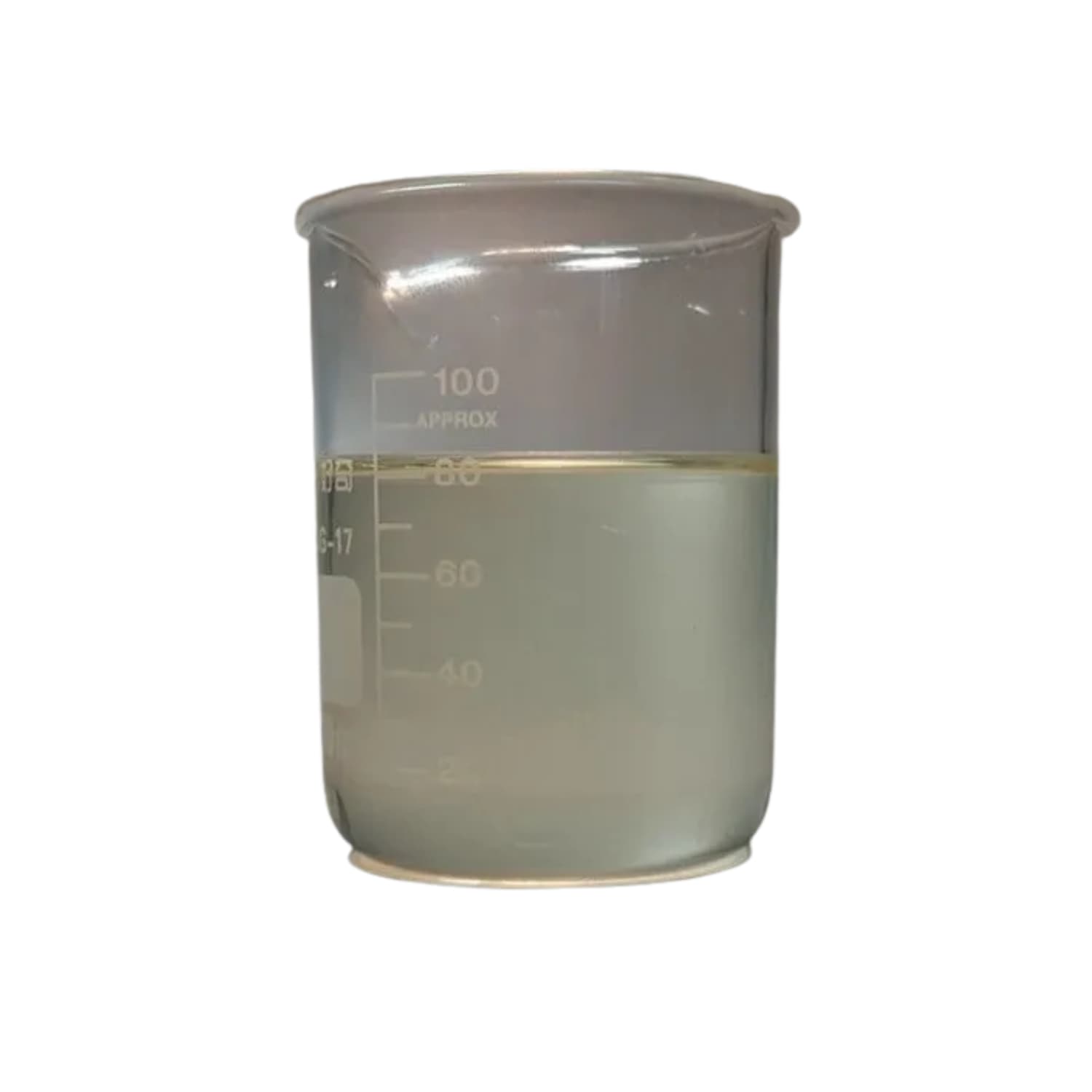
Cocamidopropyl Betaine
- IUPAC Name
- coconut diethanolamide (INCI name)
- Molecular Formula
- RC(O)N(CH2CH2OH)2 (R = C11-C17 mixed)
- Synonyms & Trade Names
- Cocamidopropyl betaine; Cocobetaine; CAPB
- Purity / Assay (%)
- 30% active min
- Grade / Quality Level
- Technical Grade
- Physical Form
- Liquid
Technical Document
Download MSDSBrief Overview
Cocamidopropyl betaine, also known as coco amido propyl betaine and CAPB, is a coconut-derived, sticky, yellow liquid with a slightly "fatty" odor. The name reflects the fact that the molecule's major component, the lauric acid group, is derived from coconut oil. Cocamidopropyl betaine has largely supplanted cocamide DEA.
Manufacturing process
Despite the name cocamidopropyl betaine, the molecule is not synthesized from betaine. Instead it is produced in a two step manner, beginning with the reaction of dimethylaminopropylamine (DMAPA) with fatty acids from coconut or palm kernel oil (lauric acid, or its methyl ester, is the main constituent). The primary amine in DMAPA is more reactive than the tertiary amine, leading to its selective addition to form an amide. In the second step chloroacetic acid reacts with the remaining tertiary amine to form a quaternary ammonium center (a quaternization reaction).[3]
CH3(CH2)10COOH + H2NCH2CH2CH2N(CH3)2 → CH3(CH2)10CONHCH2CH2CH2N(CH3)2
CH3(CH2)10CONHCH2CH2CH2N(CH3)2 + ClCH2CO2H + NaOH → CH3(CH2)10CONHCH2CH2CH2N+(CH3)2CH2CO2− + NaCl + H2O