
The first week of July marks an important turning point for global agrochemical and fertilizer markets. Supply chains are gradually improving after months of disruption, while buyers continue balancing procurement decisions against ongoing geopolitical, regulatory, and pricing uncertainties. Fertilizer producers, crop protection manufacturers, and agricultural distributors are now entering a period where timely market intelligence can create meaningful commercial advantages.
This week's developments highlight improving logistics, evolving trade policies, and changing procurement strategies across the fertilizer and agrochemical sectors. Organizations that actively monitor supplier activity and regional market developments will be better prepared for the second half of 2026.

Weekly Market Highlights
Several important developments are shaping procurement decisions across the global agrochemical industry this week.
Key market themes include:
Improving fertilizer logistics
Changing procurement strategies
Evolving trade regulations
Regional supply recovery
Seasonal agricultural demand
Market price adjustments
These trends will influence purchasing decisions throughout Q3 2026.
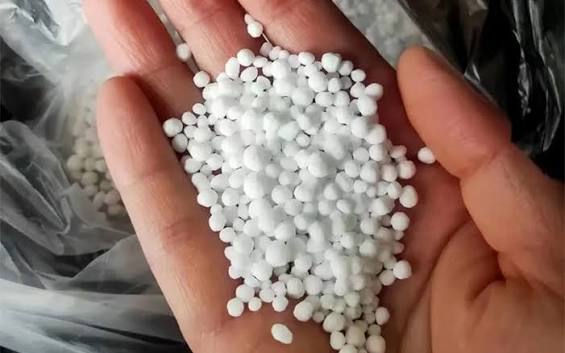
Urea (Granular) - Egypt CAS: 57-13-6
Fertilizer Supply Chains Continue to Improve
Global fertilizer markets are gradually stabilizing as production and logistics continue recovering.
Key developments include:
Better ammonia availability
Improving export activity
More stable shipping schedules
Enhanced inventory rebuilding
Increased supplier engagement
Greater procurement flexibility
Supply recovery supports more predictable fertilizer purchasing.
Liquid Ammonia CAS: 166412-78-8
Crop Protection Markets Face Regulatory Changes
Trade policy and regulatory developments remain major considerations for agrochemical buyers.
Important focus areas include:
Import regulations
Supplier diversification
Product registration
Regulatory compliance
Alternative sourcing
Cost management
Companies with diversified supplier networks will remain more resilient.
Procurement Teams Should Remain Proactive
Rather than waiting for markets to normalize completely, buyers should continue engaging suppliers early.
Recommended actions include:
Review supply agreements.
Monitor fertilizer pricing.
Diversify supplier portfolios.
Update procurement forecasts.
Strengthen inventory planning.
Follow regulatory developments.
Early engagement often improves commercial flexibility and supply security.
Market Intelligence Supports Better Decision-Making
Weekly market monitoring enables organizations to respond more effectively to changing conditions.
Useful intelligence includes:
Price trends
Production updates
Export activity
Trade policies
Supply chain performance
Seasonal demand forecasts
Reliable market information improves procurement planning and risk management.
Procurement Priorities for Q3 2026
Agricultural input companies should continue strengthening procurement strategies during the recovery period.
Priority actions include:
Maintain diversified sourcing.
Monitor fertilizer inventories.
Review supplier performance.
Secure strategic purchasing agreements.
Track regulatory announcements.
Update risk management plans.
These practices improve supply continuity while supporting long-term procurement efficiency.
Market Outlook
The global agrochemical industry is entering the second half of 2026 with improving supply conditions but continued market uncertainty. Fertilizer production, crop protection chemicals, and agricultural input supply chains are becoming more stable, yet regulatory developments, trade policies, and seasonal demand will continue influencing procurement strategies.
Organizations that combine market intelligence with diversified sourcing, proactive supplier engagement, and disciplined procurement planning will be better positioned to manage changing market conditions. As recovery continues across global agricultural supply chains, informed decision-making will remain a key competitive advantage for fertilizer and agrochemical buyers.
Key Takeaways
Fertilizer supply chains continue recovering during Q3 2026.
Procurement teams should remain proactive with suppliers.
Regulatory developments may influence agrochemical sourcing.
Diversified supplier networks strengthen supply security.
Weekly market intelligence improves purchasing decisions.
Strategic procurement supports long-term resilience.
Inventory planning remains essential throughout the recovery.
Continuous monitoring helps organizations respond to market changes.