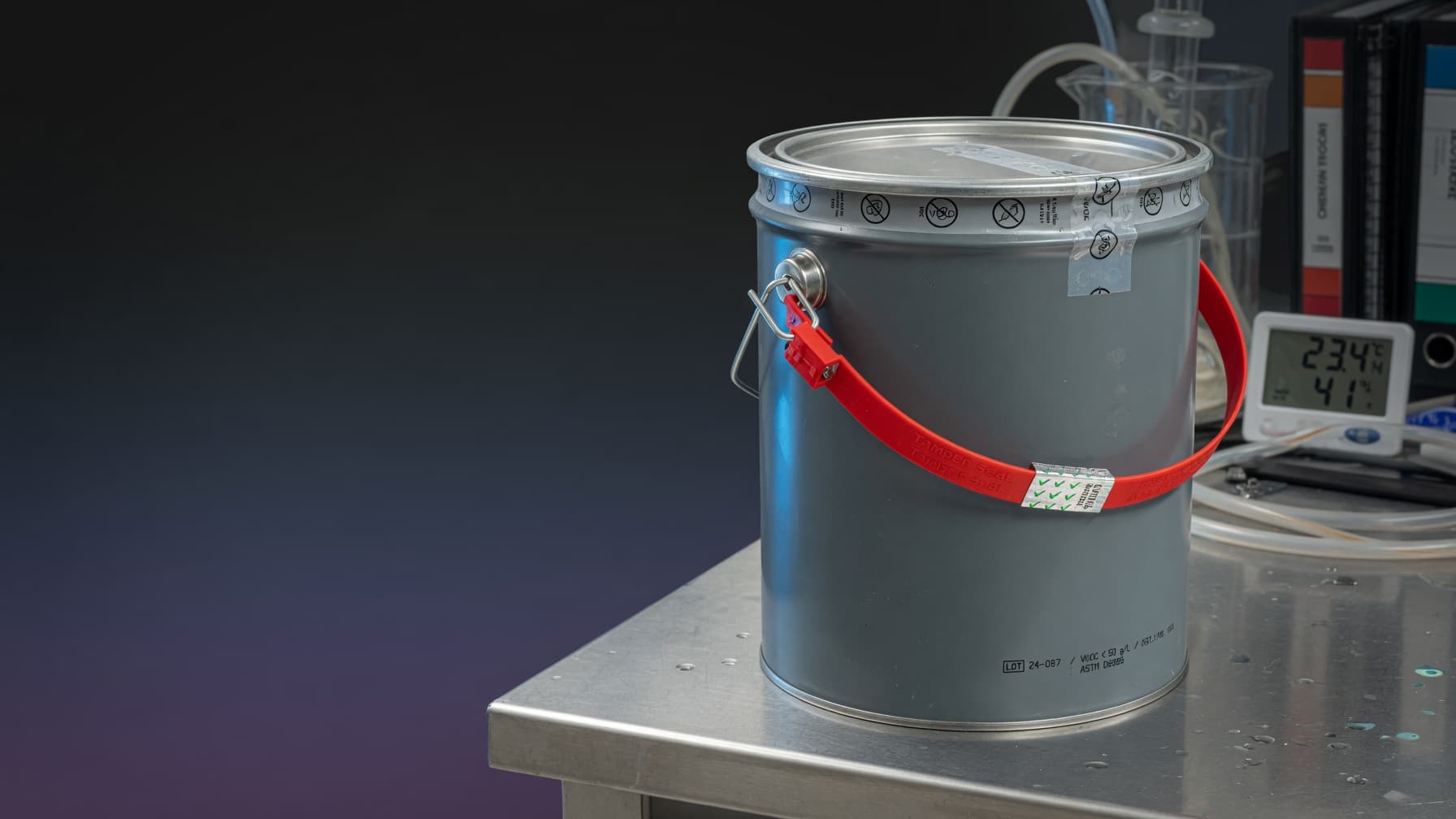
A major regulatory shift took effect in China's coatings market on June 1, 2026. The implementation of GB 30981.1-2025 for architectural coatings and GB 30981.2-2025 for industrial coatings introduces tighter controls on hazardous substances and signals a new compliance era for coatings manufacturers and chemical suppliers.
The new GB 30981-2025 standards affect more than coating producers. Suppliers of solvents, resins and specialty additives must also evaluate how their products fit within the revised requirements. Companies that fail to adapt risk losing access to one of the world's largest coatings markets.
GB 30981-2025 Raises the Compliance Bar for Coatings
China's updated coatings standards focus on reducing hazardous substances that may affect human health and the environment.
Regulators designed the new framework to improve product safety while encouraging cleaner coating technologies. The standards introduce more detailed requirements for both architectural and industrial coatings.
Key regulatory objectives include:
Reducing emissions from coating products used in manufacturing and construction.
Limiting exposure to hazardous chemical substances.
Encouraging adoption of environmentally responsible coating technologies.
Supporting long-term environmental protection goals.
For suppliers, compliance has become a commercial requirement rather than a competitive advantage.
Hazardous Substance Limits Receive Greater Attention
One of the most significant changes involves stricter control of harmful substances commonly found in coatings formulations.
The standards establish limit values for several categories of substances that regulators consider harmful to consumers and the environment.
Areas receiving increased scrutiny include:
Formaldehyde and formaldehyde-releasing materials.
Heavy metals used in pigments and additives.
Aromatic compounds present in solvents and resins.
Volatile organic compounds that contribute to air pollution.
Manufacturers selling coatings into China must carefully evaluate existing formulations against these updated requirements.

VOC Limits Will Reshape Product Formulations
The most immediate impact of GB 30981-2025 will likely involve volatile organic compound compliance.
Many traditional coatings rely on solvent systems that contain significant levels of VOCs. Under the new standards, manufacturers may need to redesign formulations to meet updated limits.
Several categories face increased pressure:
Solvent-heavy coatings that rely on aromatic hydrocarbon blends.
Products formulated with older resin technologies.
Coatings designed around traditional performance requirements rather than environmental standards.
Companies that delay reformulation efforts could face market access challenges in China.
Solvent Suppliers Face Growing Market Risks
Suppliers of conventional coating solvents may experience significant changes in demand patterns.
Products associated with aromatic solvent systems face particular attention because coatings manufacturers will seek alternatives that simplify compliance.
Chemical suppliers should evaluate exposure to:
Toluene-based solvent systems.
Xylene-containing formulations.
White spirit and similar petroleum-derived solvents.
Aromatic compound blends used in industrial coatings.
Demand may not disappear entirely, but buyers will increasingly favor lower-emission alternatives where regulations require compliance.
Water-Based Coatings Gain Competitive Momentum
The new regulatory environment creates opportunities as well as challenges.
Water-based coatings stand out as one of the primary beneficiaries of stricter VOC regulations. Their lower solvent content helps manufacturers meet environmental requirements while maintaining performance standards.
Advantages include:
Reduced VOC emissions.
Easier regulatory compliance.
Stronger acceptance in environmentally sensitive applications.
Growing demand from sustainability-focused customers.
As adoption increases, suppliers of water-based coating raw materials may see new business opportunities emerge.

High-Solid and Powder Coatings Stand to Benefit
Water-based systems are not the only winners.
High-solid-content coatings and powder coatings also align well with the direction of China's regulatory strategy. These technologies reduce or eliminate many of the solvent-related challenges associated with traditional coatings.
Procurement teams may notice increasing demand for:
Powder coating raw materials.
Specialty curing agents.
Performance additives for low-VOC systems.
Advanced resin technologies designed for environmentally compliant products.
This shift may influence purchasing decisions across the coatings value chain over the coming years.
Supply Chain Implications for Global Chemical Exporters
Exporters serving China's coatings industry should view GB 30981-2025 as both a compliance issue and a market signal.
The standards indicate where future demand is likely to grow. Products that support lower emissions and safer formulations will generally align better with long-term market trends.
Chemical suppliers should consider:
Reviewing product portfolios for compliance risks.
Updating technical documentation and compliance data.
Engaging customers about reformulation needs.
Investing in alternative technologies where necessary.
Proactive suppliers can strengthen relationships with coatings manufacturers during this transition period.
How Procurement Teams Should Assess Compliance Risks
Procurement managers must now evaluate suppliers through a regulatory lens as well as a commercial one.
Price and availability remain important, but compliance readiness increasingly affects supplier selection decisions. Buyers sourcing raw materials for coatings production should verify that suppliers understand the new standards and can provide appropriate technical support.
Questions buyers should ask include:
Does the supplier provide compliance documentation?
Can the material support low-VOC formulations?
Are there alternative grades available if regulations tighten further?
What testing data supports regulatory compliance claims?
The answers may become critical factors in future purchasing decisions.
What Chemical Suppliers Should Do Now
GB 30981-2025 represents one of the most important regulatory developments in China's coatings industry in recent years. The standards introduce stricter controls on VOCs, formaldehyde, heavy metals and aromatic compounds while encouraging broader adoption of cleaner coating technologies.
Chemical suppliers that understand these changes early will have a stronger opportunity to adapt product portfolios, support customer reformulation efforts and maintain access to China's evolving coatings market. Companies that align with water-based, high-solid and powder coating trends will likely find themselves better positioned as regulatory expectations continue to rise.
Ready to source Xylene from verified global suppliers? Explore competitive offers on our platform today.
Xylene CAS: 1330-20-7