
Potassium Sorbate Food Grade (E202) CAS: 24634-61-5

Potassium Sorbate Food Grade (E202) CAS: 24634-61-5

European chemical shippers face a crossroads as geopolitical tensions inflate freight costs. The article examines whether the current pricing surge, sparked by regional conflicts and supply chain disruptions, can sustain itself as markets evolve. Shippers weigh cost‑saving strategies and long‑term market dynamics.

Retailers are tightening their standards on synthetic food dyes, setting 2026‑2027 deadlines that force manufacturers to reexamine ingredient sourcing and reformulation strategies. The shift toward natural colorants and clean‑label compliance reshapes product development, cost structures, and supply chains. This article breaks down the commitments, impacts, and practical steps for food companies.

Food ingredient procurement has become increasingly dependent on timely market intelligence. Real-time data helps buyers improve shipment visibility, anticipate freight changes and make sourcing decisions with greater confidence.

The widespread use of AIS-disabled "dark tankers" during the Hormuz crisis created new compliance and documentation challenges for global chemical supply chains. As escorted convoy operations expand, improved vessel traceability is becoming an important commercial advantage for buyers operating under strict regulatory and quality requirements.
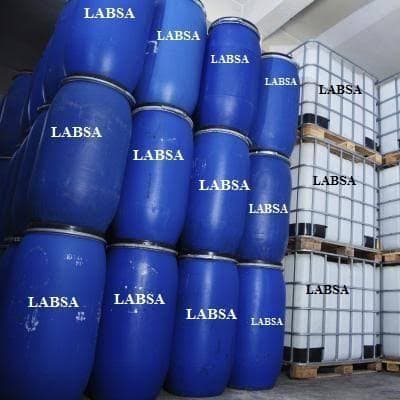
The reopening of Gulf export routes is improving n-paraffin availability, a key feedstock for LAB and LABSA production. As supply normalizes, detergent manufacturers may see easing costs in H2 2026, while buyers with existing contracts should review pricing adjustment clauses.

Food manufacturers face increasing pressure to strengthen residue compliance and supplier verification programs.
আমরা আপনার গোপনীয়তার প্রতি প্রতিশ্রুতিবদ্ধ। Tradeasia আপনার দেওয়া তথ্য ব্যবহার করে প্রাসঙ্গিক কনটেন্ট, পণ্য ও পরিষেবা সম্পর্কে আপনার সাথে যোগাযোগ করে। আরও তথ্যের জন্য আমাদের গোপনীয়তা নীতি দেখুন।