Introduction
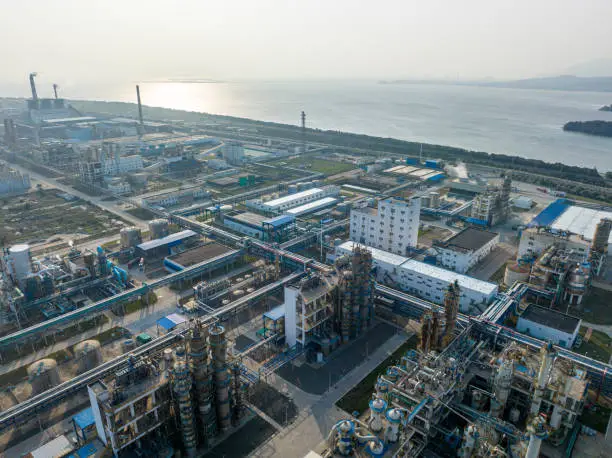
The upcoming NatureWorks PLA plant in Thailand marks a historic milestone for the region’s chemical industry. Set to begin operations in 2026, this facility will be the first large‑scale biopolymer plant in Southeast Asia, producing polylactic acid (PLA) from renewable feedstocks such as corn or sugarcane.
Why PLA Matters in Asia
Polylactic acid is a biodegradable, bio‑based plastic that can replace conventional polyethylene (PE) and polypropylene (PP) in many packaging applications. Its key advantages include:
- Renewable Origin – Derived from fermenting corn or sugarcane, reducing dependence on crude oil.
- Biodegradability – Breaks down under industrial composting conditions, addressing waste‑management challenges.
- Competitive Pricing – Recent fossil‑polymer price spikes make PLA a cost‑effective alternative.
Strategic Significance of the Thailand Facility
The plant’s location offers several strategic benefits:
- Proximity to Raw Materials – Thailand’s agricultural sector provides ample sugarcane, while regional corn imports support feedstock supply.
- Export Potential – A production hub in Thailand can serve neighboring markets such as Vietnam, Malaysia, and Indonesia.
- Policy Support – Thailand’s commitment to sustainable manufacturing and incentives for green projects create a favorable business environment.
Competitive Landscape
Prior to the plant’s launch, Southeast Asian packaging brands relied heavily on imported PLA from the US and Europe. The new facility will:
- Reduce logistics costs and lead times.
- Mitigate supply chain risks associated with geopolitical tensions.
- Provide a locally sourced, high‑quality biopolymer that meets stringent sustainability criteria.
Implications for Packaging Brand Owners
Brand owners looking to adopt bio‑based film and rigid packaging can now consider the following options:
- PLA Film – Ideal for flexible packaging where biodegradability and barrier properties are required.
- PLA Rigid Containers – Suitable for food, cosmetics, and personal care products, offering a premium, sustainable image.
- Hybrid Solutions – Combining PLA with conventional polymers to balance performance and cost.
Conclusion
The NatureWorks PLA Thailand plant represents a turning point for the region’s chemical sector, providing the first large‑scale, locally produced biopolymer alternative to fossil‑based plastics. As the global push toward sustainability intensifies, this facility will play a pivotal role in shaping Southeast Asia’s packaging future.