Understanding the 2026 Soap Noodle Landscape
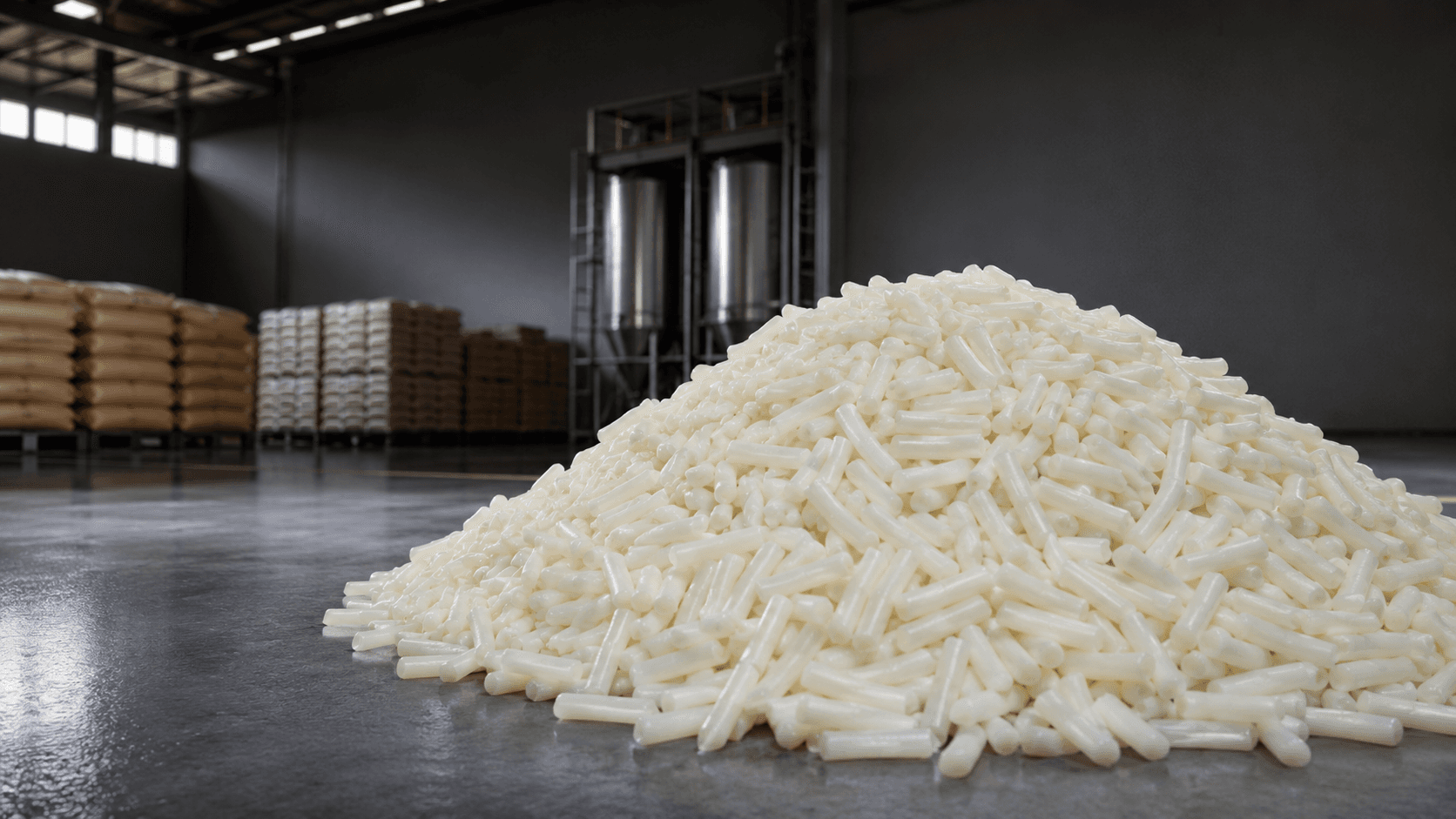
Soap noodles, the primary raw material for bar soap manufacturing, are typically 78%+ fatty acid mixtures derived from palm oil. In early 2026, the market price for lauric fatty acids hovered around USD 1,480 per metric ton FOB Indonesia, a marked increase driven by the rising demand for biodiesel and the limited availability of palm oil feedstock.
Energy costs, which traditionally account for 10–15% of soap noodle production, have also climbed due to higher oil prices and stricter environmental mandates. These factors combine to elevate the overall cost of soap noodle production, putting pressure on manufacturers’ profit margins.
Key Regulatory Forces Shaping the Market
EU Deforestation Regulation (EUDR)
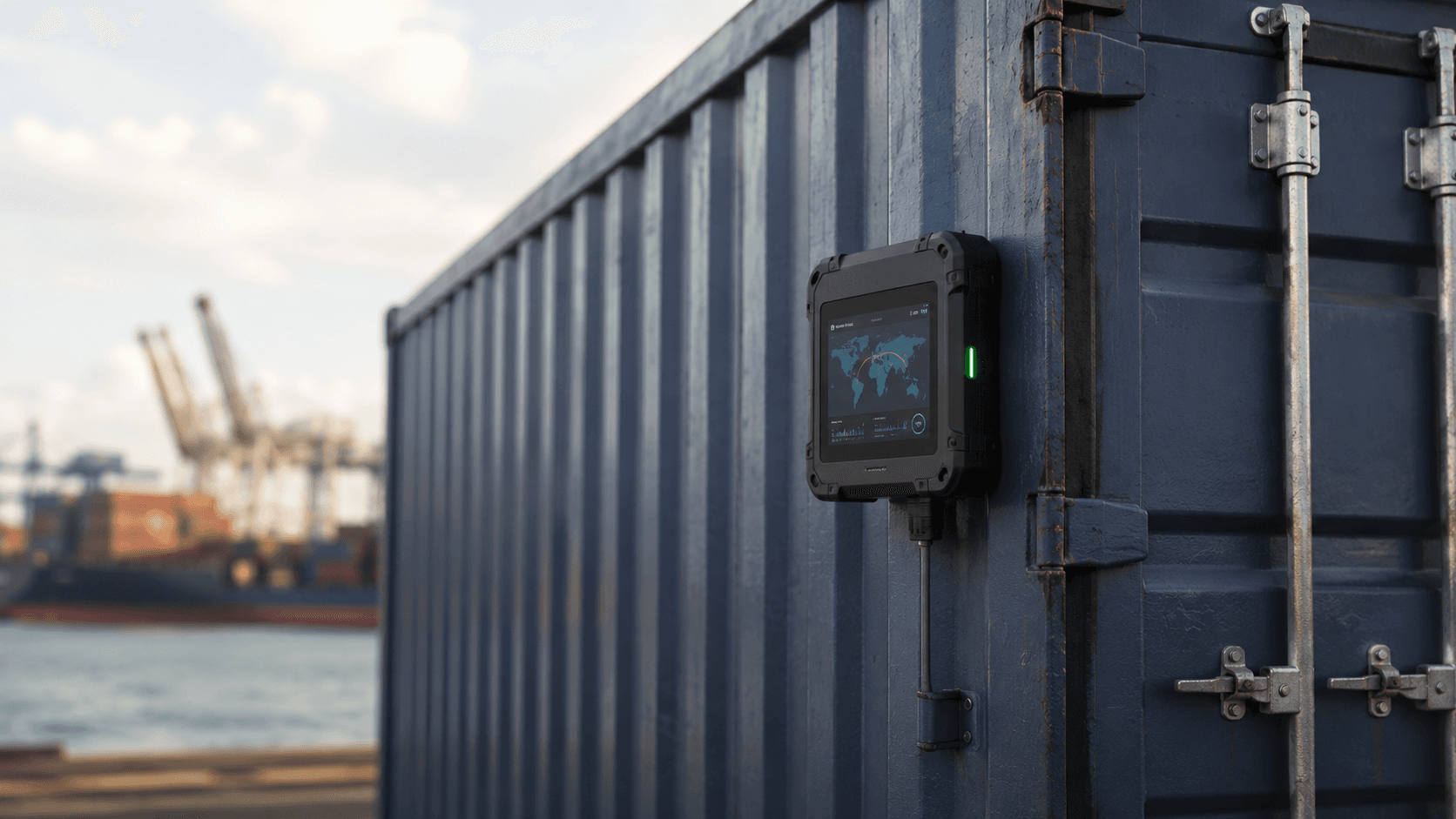
The EUDR mandates blockchain traceability for all palm‑based products entering the EU. Manufacturers must now document the entire journey of soap noodles—from plantation to factory—using immutable digital records. Failure to comply can lead to product bans and significant financial penalties.
Indonesia’s New Export Regulations
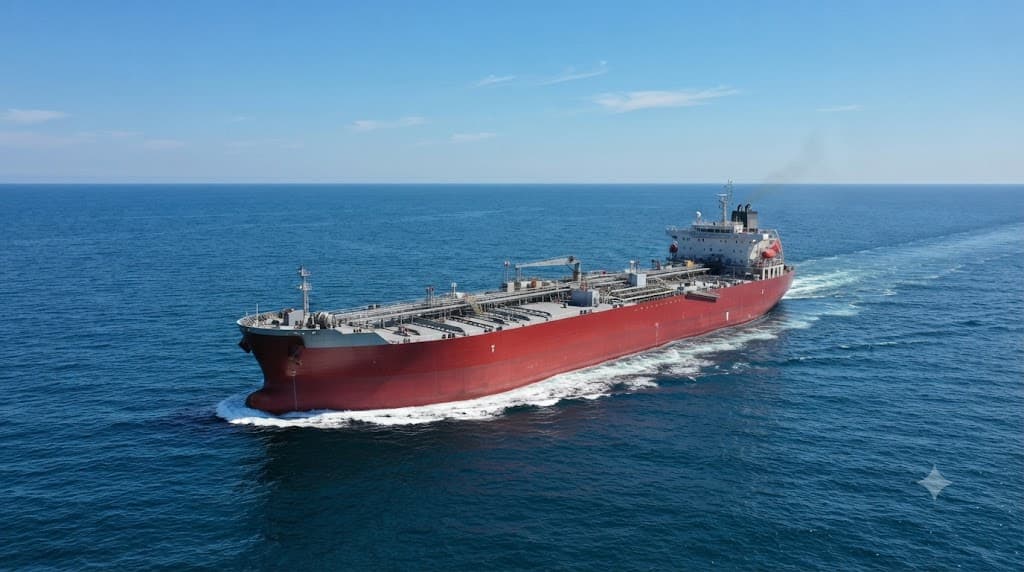
Starting June 2026, Indonesia’s state enterprise Danantara will impose stricter controls on palm oil exports. The aim is to safeguard domestic supply for local industries and reduce environmental impact. However, this move adds uncertainty to the global supply chain, affecting both price volatility and delivery reliability.
Supply Chain Risks and Economic Implications
The convergence of higher raw material costs, regulatory compliance, and capacity constraints creates a complex risk profile for soap manufacturers:
- Price Volatility: Limited palm oil availability drives up prices.
- Compliance Costs: Blockchain traceability and reporting add administrative burden.
- Capacity Limits: Refineries and conversion plants may struggle to meet increased demand.
- Geopolitical Uncertainty: Changes in export policy can disrupt shipments.
Strategic Procurement Recommendations for 2026
Create Flexible Contractual Frameworks
- Negotiate price‑caps linked to global oil benchmarks to limit exposure to market spikes.
- Include penalty clauses for delayed deliveries to incentivize timely shipping.
- Incorporate option contracts that allow quick adjustment of order quantities.
Build Longer Lead Times
Manufacturers should plan for procurement cycles that extend into the second half of 2026. This buffer accommodates potential delays from Danantara’s export controls and the additional time required for EUDR compliance documentation.
Invest in Blockchain Traceability Infrastructure
Partner with technology providers that can seamlessly integrate blockchain tracking into the supply chain. Early adoption not only ensures compliance but can also serve as a marketing differentiator in eco‑conscious markets.
Diversify Supplier Base
Relying on a single palm oil source increases risk. Companies should establish relationships with multiple suppliers across different regions—such as Malaysia, Thailand, and Vietnam—to mitigate supply shocks.
Engage in Joint Procurement Pools
Collaborating with other manufacturers to form buying consortia can increase bargaining power, secure better pricing, and share compliance resources.
Operational Tips for Bar Soap Manufacturers
- Audit Supplier Chains: Regularly verify that suppliers comply with EUDR traceability requirements.
- Monitor Energy Use: Implement energy‑efficient technologies to reduce the 10–15% cost component.
- Scenario Planning: Run models that factor in price hikes, export delays, and compliance penalties.
- Staff Training: Equip procurement and compliance teams with the latest regulatory knowledge.
Conclusion
The 2026 soap noodle market will test manufacturers’ ability to balance cost control, regulatory compliance, and supply chain resilience. By adopting flexible contracts, extending lead times, investing in blockchain traceability, and diversifying suppliers, bar soap producers can safeguard margins while meeting the stringent demands of the EU and global markets.