
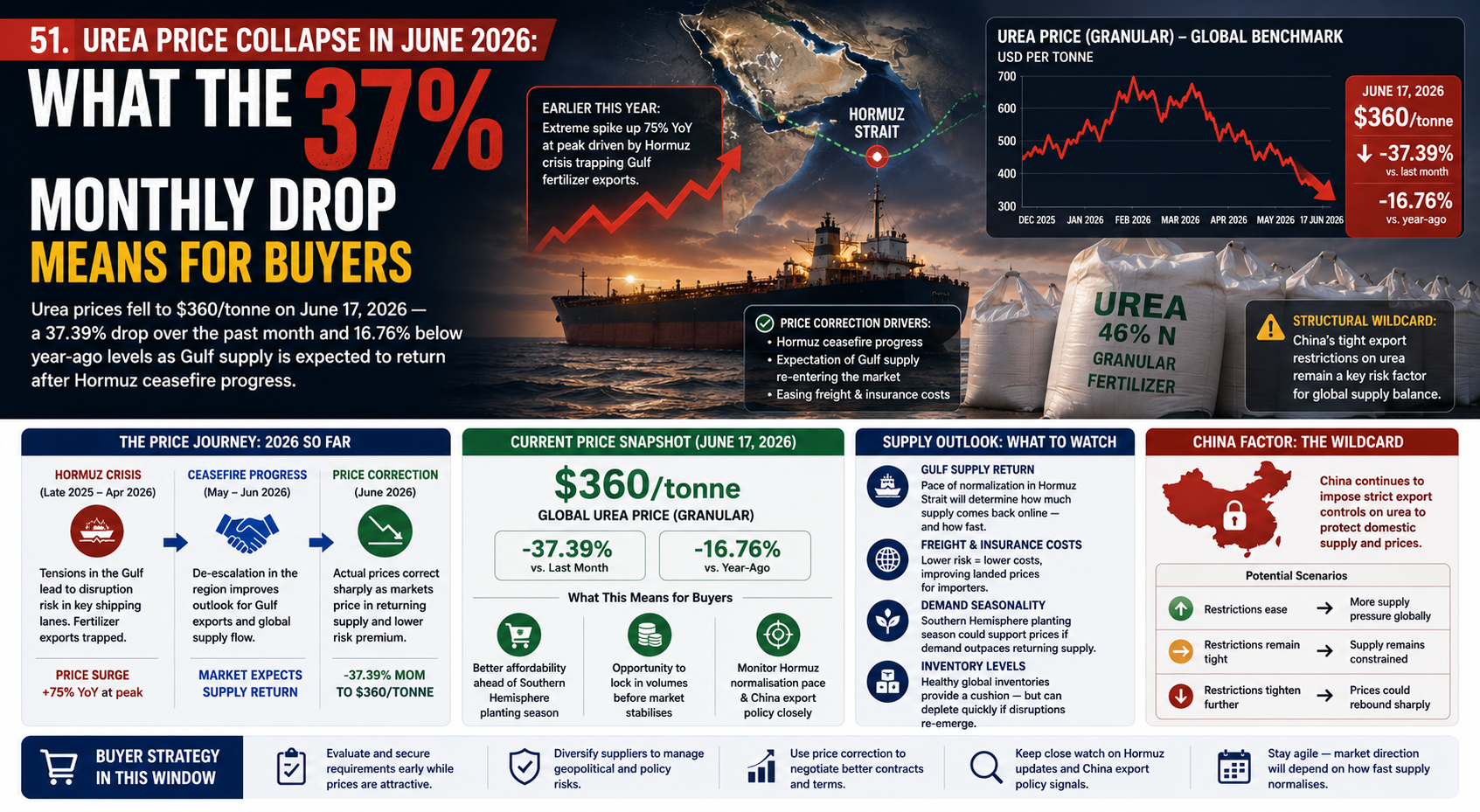
Urea (Granular) - Egypt CAS: 57-13-6

The vanillin market enters H2 2026 with stable synthetic supply, expanding bio-based production and continued pressure on natural vanilla prices. Procurement teams must balance cost, sustainability, regulatory requirements and product positioning before locking in flavour ingredient contracts.
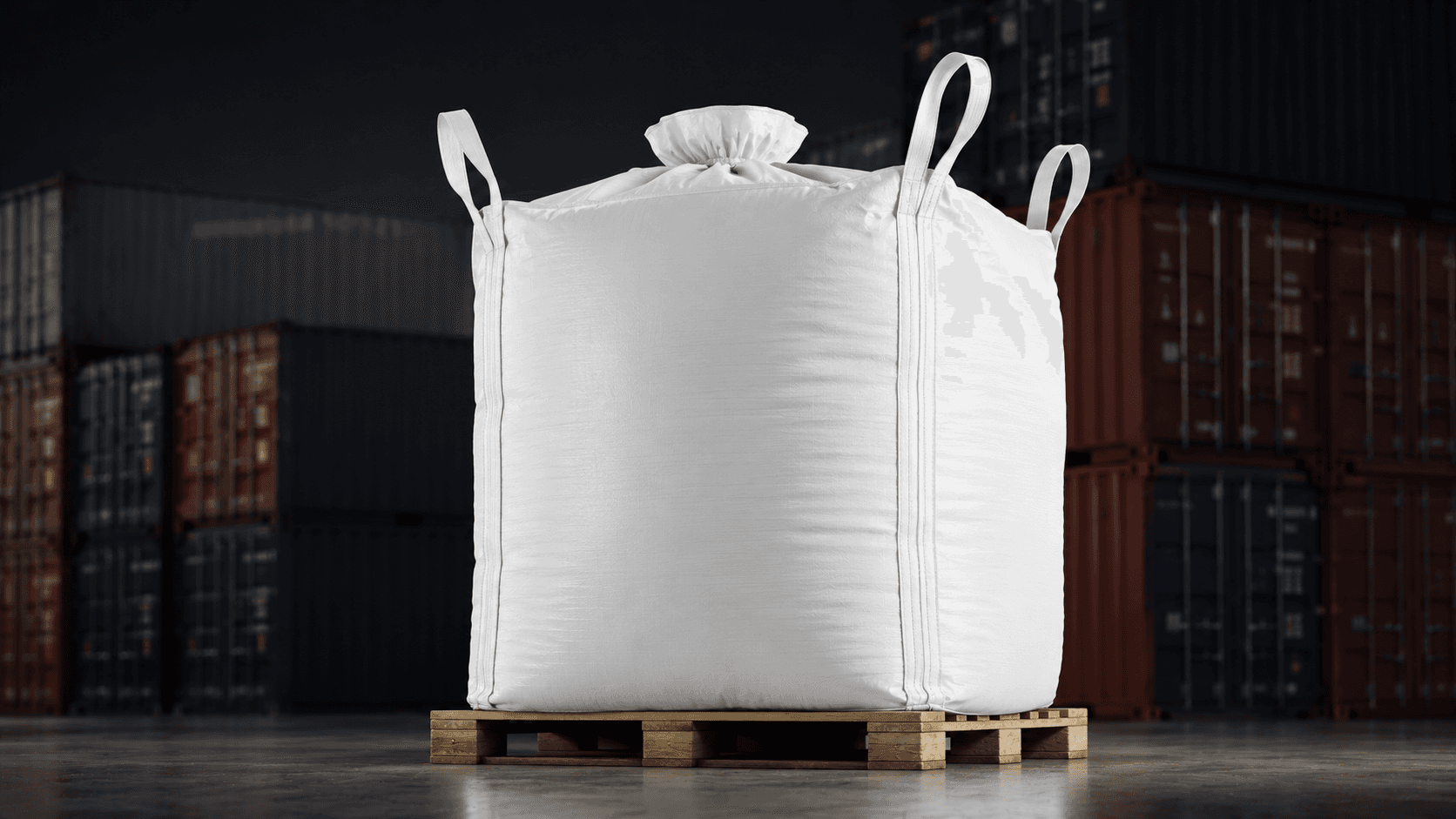
Brent crude has returned to pre-war levels, creating a new opportunity for food ingredient buyers to reduce landed costs. July freight adjustments give procurement teams a timely chance to renegotiate contracts across major sourcing regions including China, Southeast Asia and India.

The acetic acid market is facing renewed pricing pressure as Chinese export volumes increase while Middle East supply gradually returns after Hormuz-related disruptions. Buyers need to assess supply trends, regional competition and procurement strategies for H2 2026.

The propylene market in Southeast Asia experienced significant volatility in 2026 as CFR prices surged to $1,500/tonne during peak supply concerns. With Vietnam's NSRP force majeure extending through Q2 and speculative trading amplifying market swings, buyers face a challenging procurement environment despite easing geopolitical fears.
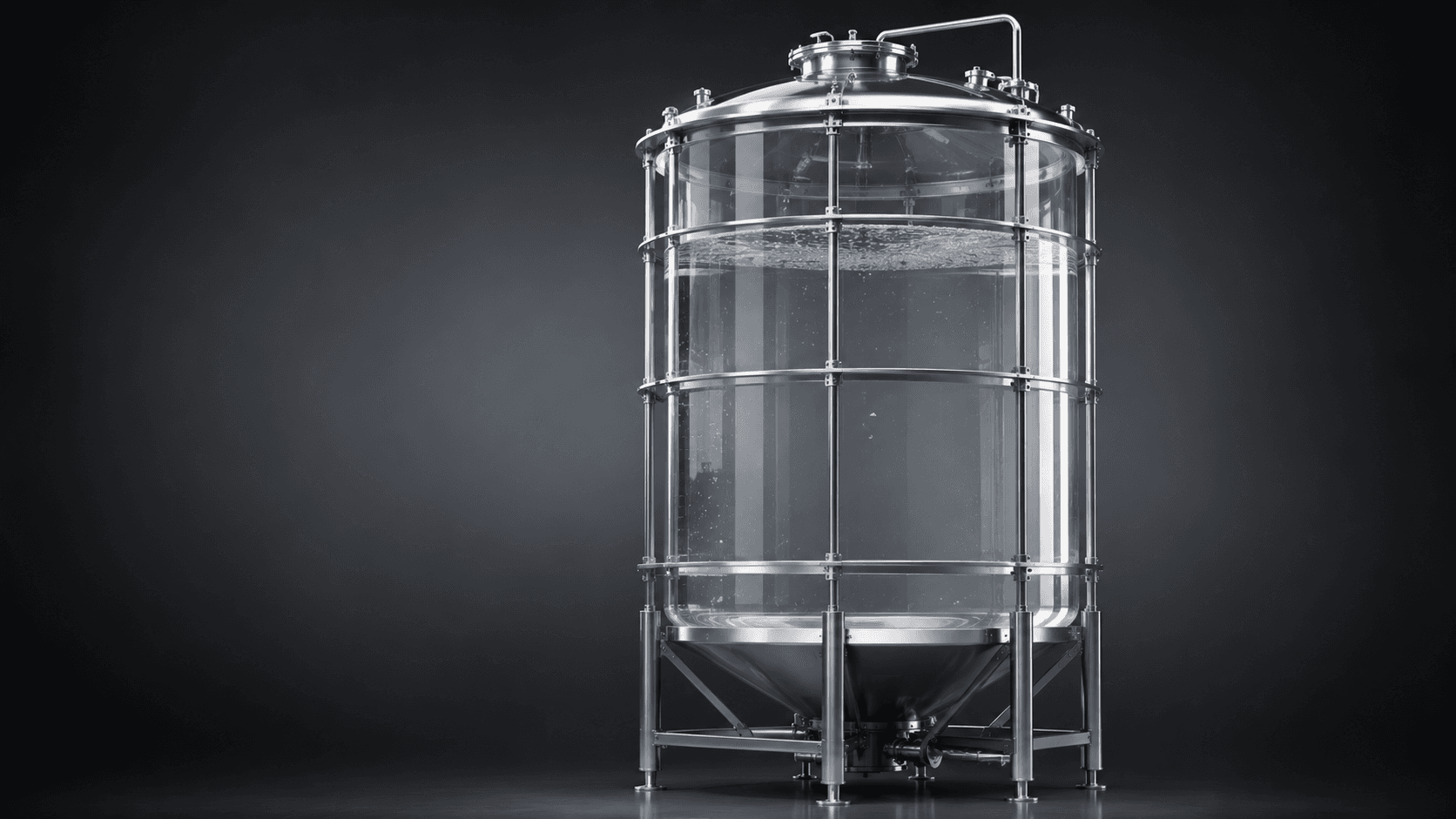
The benzene-styrene chain across Asia continues to face demand challenges as automotive production and construction activity remain subdued. While styrene prices in India have stabilized, regional buyers and traders must navigate a market defined by cautious purchasing, shifting trade flows and uncertain downstream recovery.

Formaldehyde producers are facing rising costs as higher methanol prices move through downstream resin supply chains. Buyers of urea-formaldehyde and phenol-formaldehyde resins should prepare for changing contract prices in Q3 2026.
We're committed to your privacy. Tradeasia uses the information you provide to us to contact you about our relevant content, products, and services. For more information, check out our privacy policy.