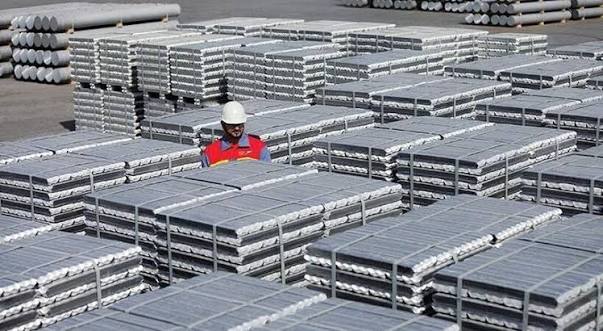
Aluminium Sulfate CAS: 7784-31-8

The 2024 Hormuz crisis exposed fragilities in global feedstock supply chains, spotlighting the resilience of post‑consumer recycled chemicals. This article explores how domestic circular feedstocks reduce procurement risk, advance sustainability, and strengthen the circular economy.
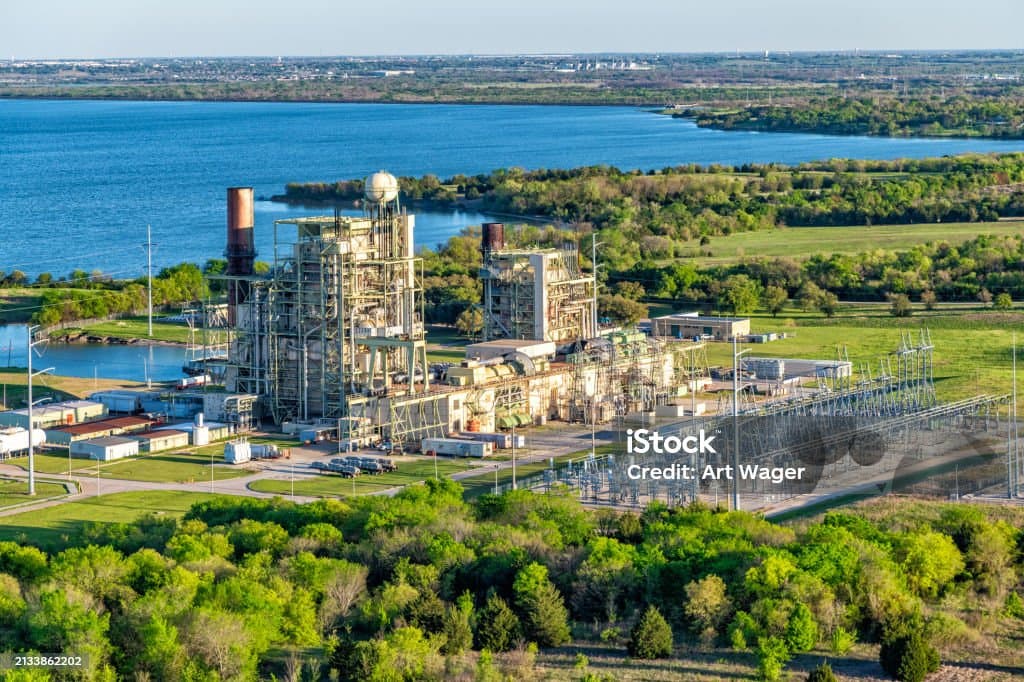
The Congressional Research Service report shows that 40% of U.S. agricultural urea arrives by water, exposing a strategic vulnerability. Legislative responses are reshaping maritime corridors and regional infrastructure. These changes aim to strengthen supply chain resilience for domestic markets.
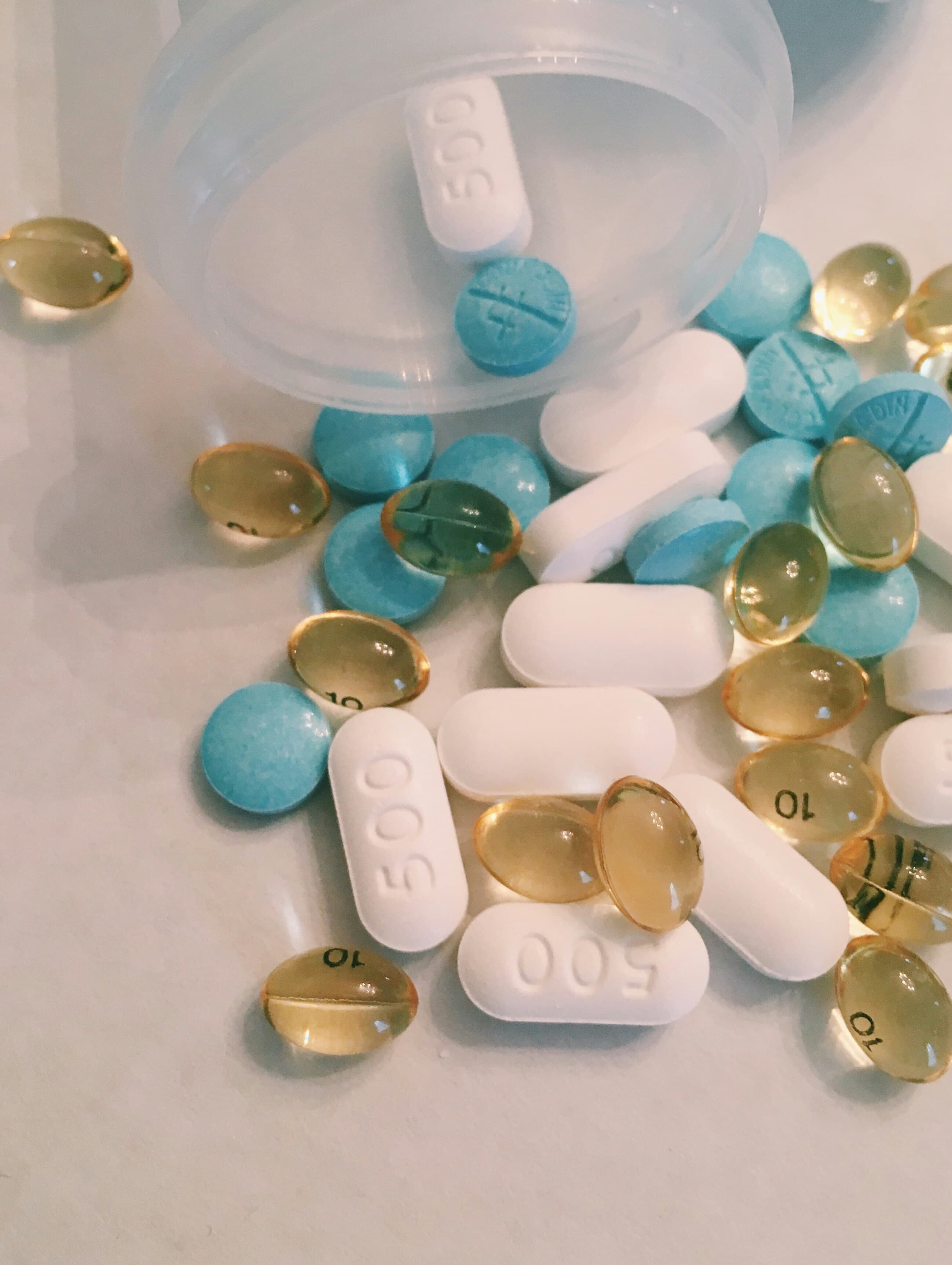
The first half of 2026 exposed major vulnerabilities in pharmaceutical supply chains. API concentration, shipping disruptions, and logistics risks are reshaping procurement strategies for H2 2026 and beyond.

The 2026 Hormuz crisis has reshaped chemical logistics and sustainability metrics across global supply chains. From emissions accounting changes to sourcing diversification and ammonia project delays, procurement teams now face structural shifts that will persist beyond the immediate disruption.

The global MSG market enters a critical procurement period as major Chinese producers prepare their second half of 2026 pricing. Freight costs have eased, feedstock conditions remain favorable and buyers have a limited window to secure competitive contracts before new price schedules take effect.

As the Hormuz crisis reshapes global oil flows, India’s ONGC is evaluating Venezuelan crude to secure feedstock for its expanding refinery network. This move signals a broader strategy to diversify imports and stabilize the country’s petrochemical supply chain by 2026.
We're committed to your privacy. Tradeasia uses the information you provide to us to contact you about our relevant content, products, and services. For more information, check out our privacy policy.