Overview of the Ichthys Disruption
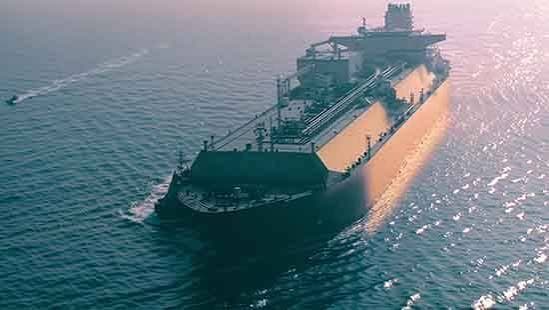
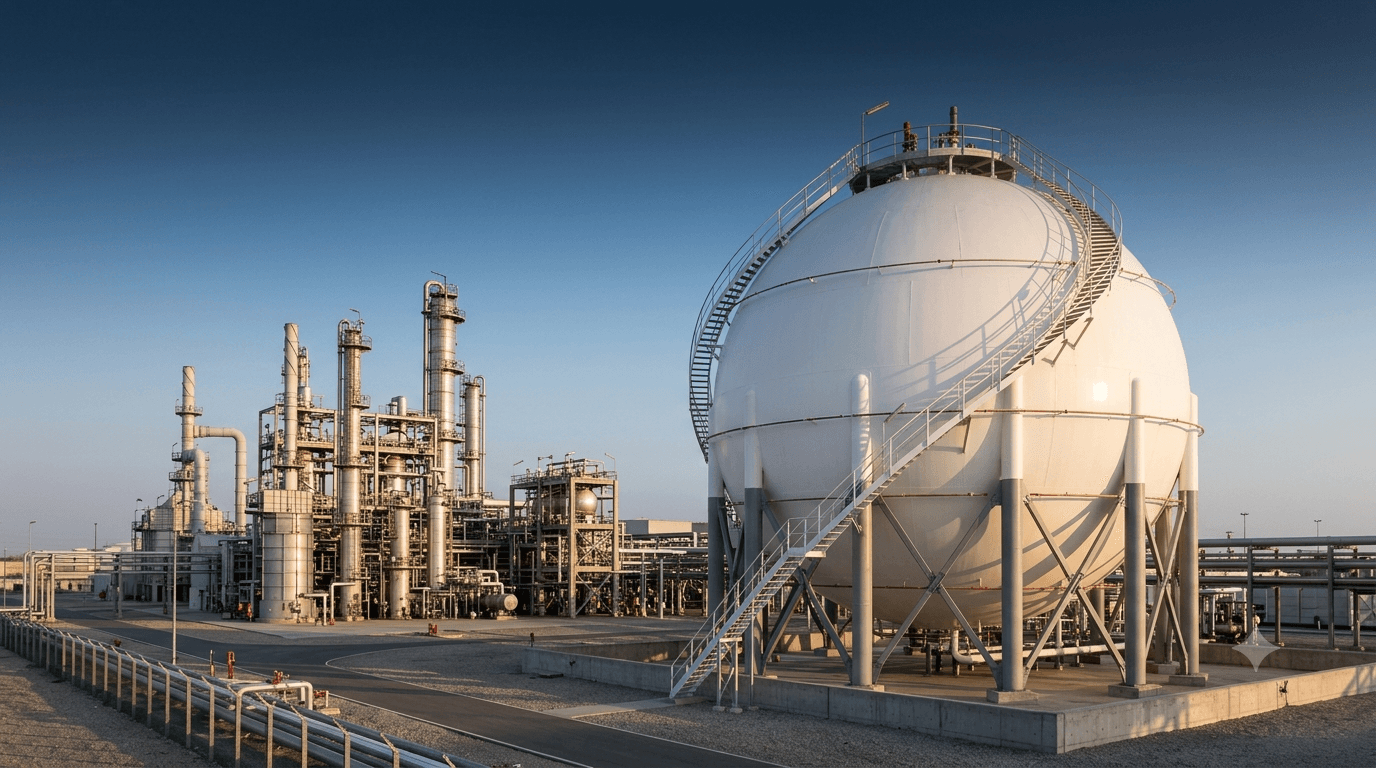
In early 2026, a prolonged strike at the Ichthys LNG terminal in Queensland halted gas exports for several weeks. The facility, a key supplier of liquefied natural gas (LNG) to Asia, accounts for roughly 12% of Australia’s LNG output. The shutdown prompted immediate concerns across the Asian gas market, as traders scramble to reallocate inventory and secure alternative sources.
Impact on Asian LNG Supply Chains
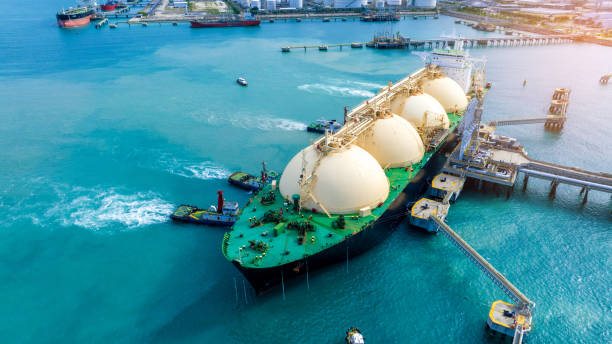
The temporary loss of Ichthys output reverberated through the region’s supply network. Major importers in Japan, South Korea, and China experienced short‑term shortages, leading to a spike in spot LNG prices. Shipping lines rerouted vessels from other Australian terminals, adding logistical costs.
Supply Shock Quantified
Ichthys LNG normally exports 1.2 Mtpa of LNG to Asia.
During the strike, exports dropped to 0.0 Mtpa.
Alternative sources (Brunei, Qatar) increased output by 8% to cover the gap.
Resulting price uplift: 18% in Asian spot markets.
Effect on Gas Pricing in the Region
Natural gas prices in Asia are tightly linked to LNG flows. The Ichthys outage caused a measurable lift in gas indices across the ASEAN region. Key indicators:
Japan’s J-API gas index rose 15% in March 2026.
South Korea’s KNGC index increased 12% over the same period.
China’s GJ gas index saw a 9% uptick, reflecting heightened import costs.
These price shifts have a domino effect: power generators adjust fuel mix, and industrial consumers face higher operating expenses.
Consequences for Chemical Feedstock Costs
Natural gas is a primary feedstock for the chemical industry, especially for producing ethylene, propylene, and ammonia. The price surge translates directly into higher feedstock costs for chemical manufacturers across Asia.
Feedstock Cost Increase
Average gas price per MMBtu rose from $5.20 to $6.15.
Ethylene production cost increased by 6% due to higher steam‑gas ratios.
Propylene and ammonia prices followed a similar trend, up 5–7%.
Manufacturers must balance these costs against market demand and product pricing strategies. Some are accelerating investment in gas‑to‑chemical plants to lock in lower feedstock rates, while others explore alternative feedstocks such as coal‑derived syngas.
Implications for the Australia Chemical Market
The Australian chemical market is not immune to the Ichthys shock. Domestic producers rely on imported LNG for their refining and petrochemical operations. A sustained shortage could:
Elevate domestic gas prices by 10–12%.
Reduce output margins for Australian chemical plants.
Encourage diversification into renewable feedstocks.
TradeAsia notes that companies in the region are already evaluating supply contracts with alternative LNG suppliers in the Middle East and Southeast Asia.
Strategic Responses for Businesses
To mitigate exposure, businesses can adopt several tactics:
Secure long‑term LNG contracts: Locking in rates ahead of market volatility.
Diversify feedstock sources: Incorporate bio‑based or coal‑derived options.
Invest in energy efficiency: Reducing overall gas consumption per unit of output.
Engage in hedging: Use futures and options to stabilize feedstock costs.
These strategies help maintain competitive pricing while navigating the uncertainty introduced by labor disruptions at key export facilities.