
Related Insights

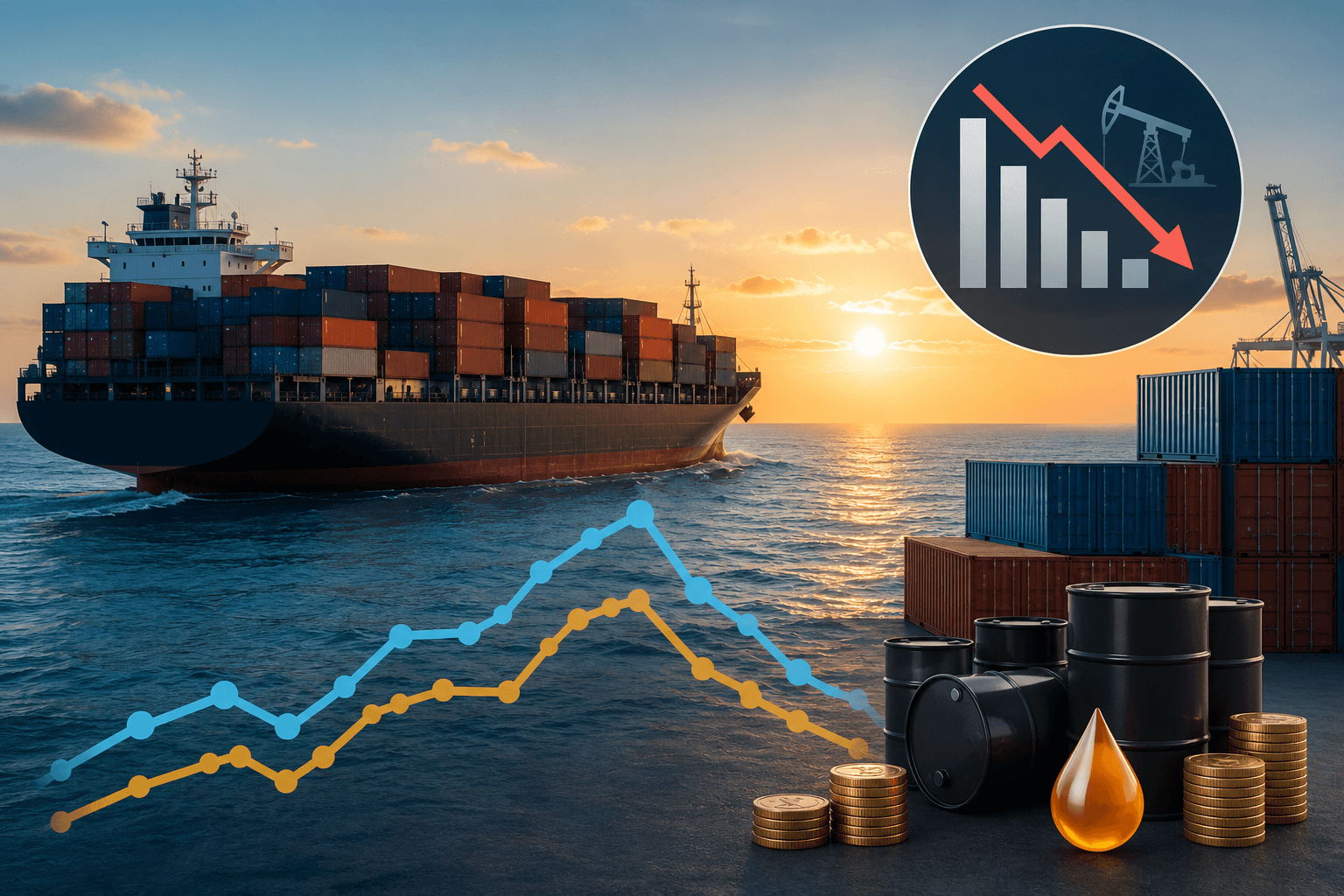
Can Conflict‑Driven Freight Gains Endure for European Chemical Shippers?
European chemical shippers face a crossroads as geopolitical tensions inflate freight costs. The article examines whether the current pricing surge, sparked by regional conflicts and supply chain disruptions, can sustain itself as markets evolve. Shippers weigh cost‑saving strategies and long‑term market dynamics.

Sorbitol: China's Old-Crop Supply Window and Why July Is the Contracting Sweet Spot
July 2026 presents a rare procurement opportunity for sorbitol buyers as stable Chinese feedstock costs, Thailand’s seasonal production gap, and easing freight rates combine to create one of the most attractive contracting windows of H2. Buyers with second-half demand requirements should act before supplier

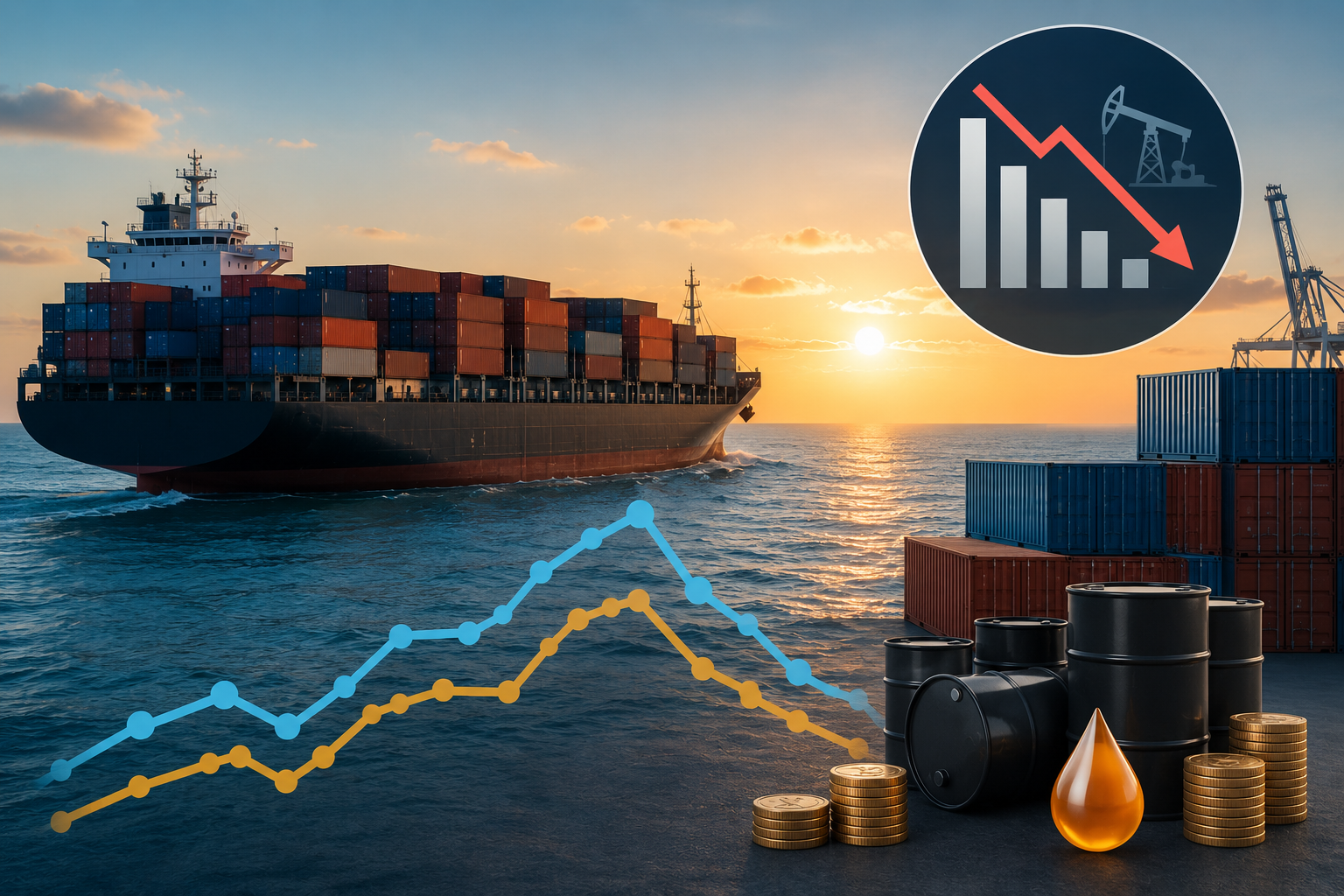
Chemical Price Reversal 2026: Why Fertilizer Prices Fell Before Hormuz Reopened
In early 2026 the global chemical market saw a dramatic price spike during the Hormuz crisis, only to reverse course by April even before shipping lanes fully reopened. This article dissects the panic‑driven surge, the factors that triggered the drop, and the procurement intelligence lessons that can help buyers mitigate volatility.
Why Brent Is $72.60 Despite Active Drone Strikes: What the June 29, 2026 Oil Market Paradox Means for Chemical Buyers
Brent crude has dropped to $72.60 despite ongoing military escalation across the Gulf. This unusual market reaction signals that supply recovery currently outweighs geopolitical risk, creating important implications for petrochemical procurement and chemical pricing in the months ahead.

Sucralose Supply Chain in H2 2026: China Leads, Contracts Adapt
In H2 2026, China’s sucralose production remains robust while freight costs ease, giving buyers a strategic edge. Companies can leverage these trends to negotiate more favorable contracts and secure long‑term supply of food sweeteners.
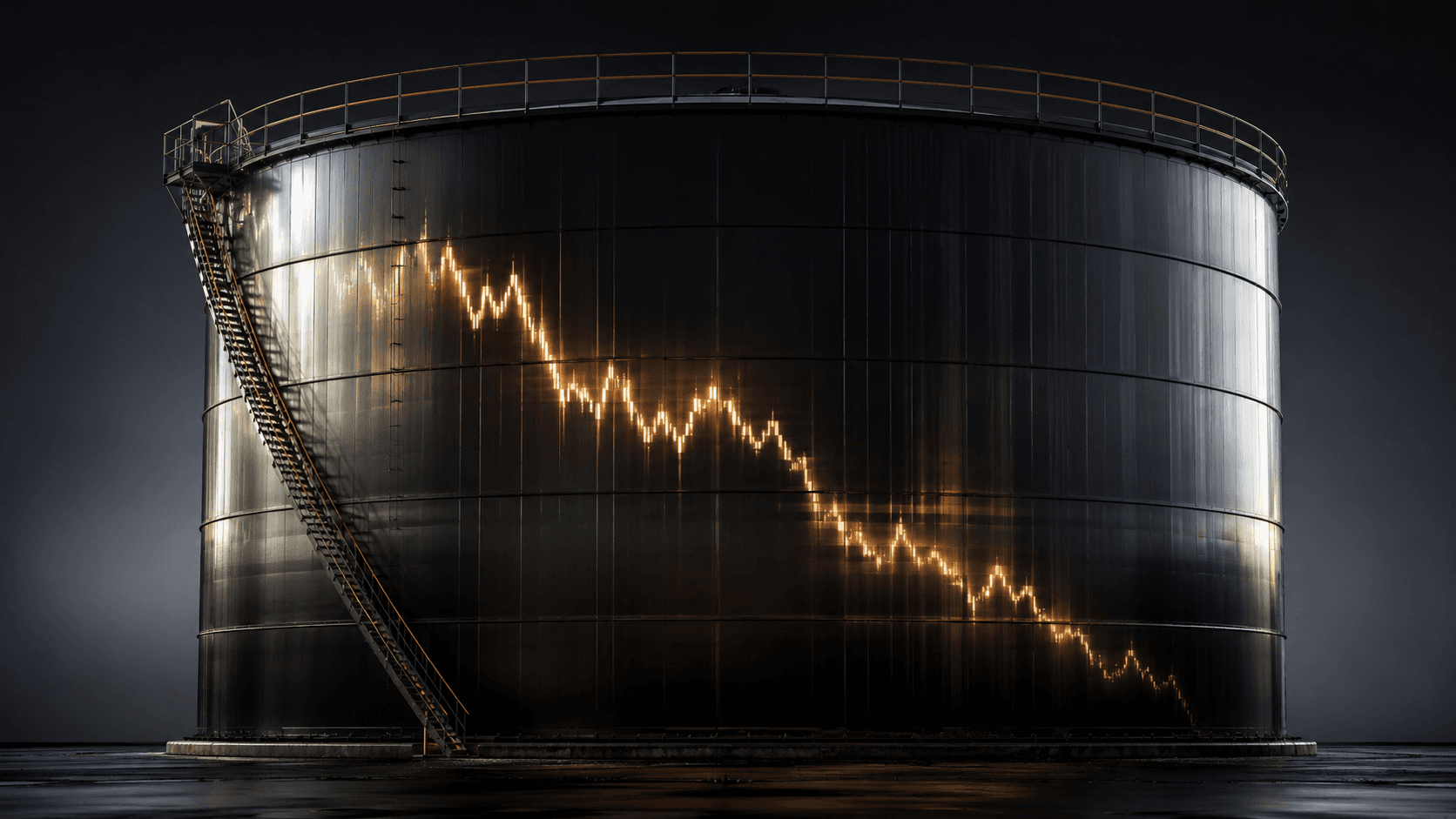
Brent Below $80: What the Crude Price Collapse Means for Chemical Feedstock Costs in Late June 2026
Brent crude has fallen below $80 per barrel after a dramatic correction from May highs, reshaping cost expectations across petrochemical value chains. Lower feedstock costs offer relief for producers and buyers, but elevated freight rates continue to complicate procurement decisions heading into Q3 2026.
Don't miss out on our updates! Subscribe to our newsletter now
We're committed to your privacy. Tradeasia uses the information you provide to us to contact you about our relevant content, products, and services. For more information, check out our privacy policy.