Sodium Perborate Tetrahydrate (Industrial Grade) - China CAS: 10486-00-7
Sodium Perborate Tetrahydrate (Industrial Grade) - China CAS: 10486-00-7
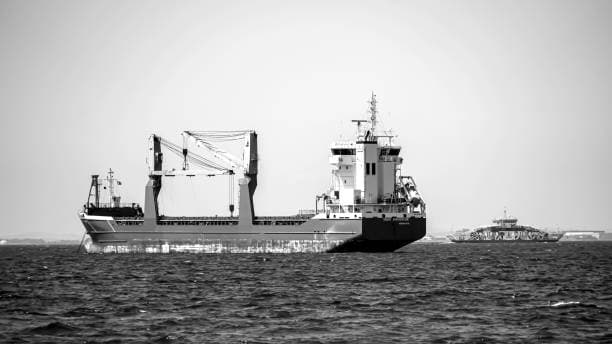
The Baltic Dry Index slipped to a two‑week low, signaling a slowdown in bulk shipping demand across key commodity fentices. Analysts link the dip to softening steel and grain markets, while chemical logistics firms report rising freight costs. This article examines the underlying forces and what they mean for the dry bulk sector.

The recent strike on a Jordanian military base has highlighted that security threats in the Middle East extend far beyond the Strait of Hormuz. Freight planners must now account for new risks that can disrupt transport corridors and chemical supply chains across the region.

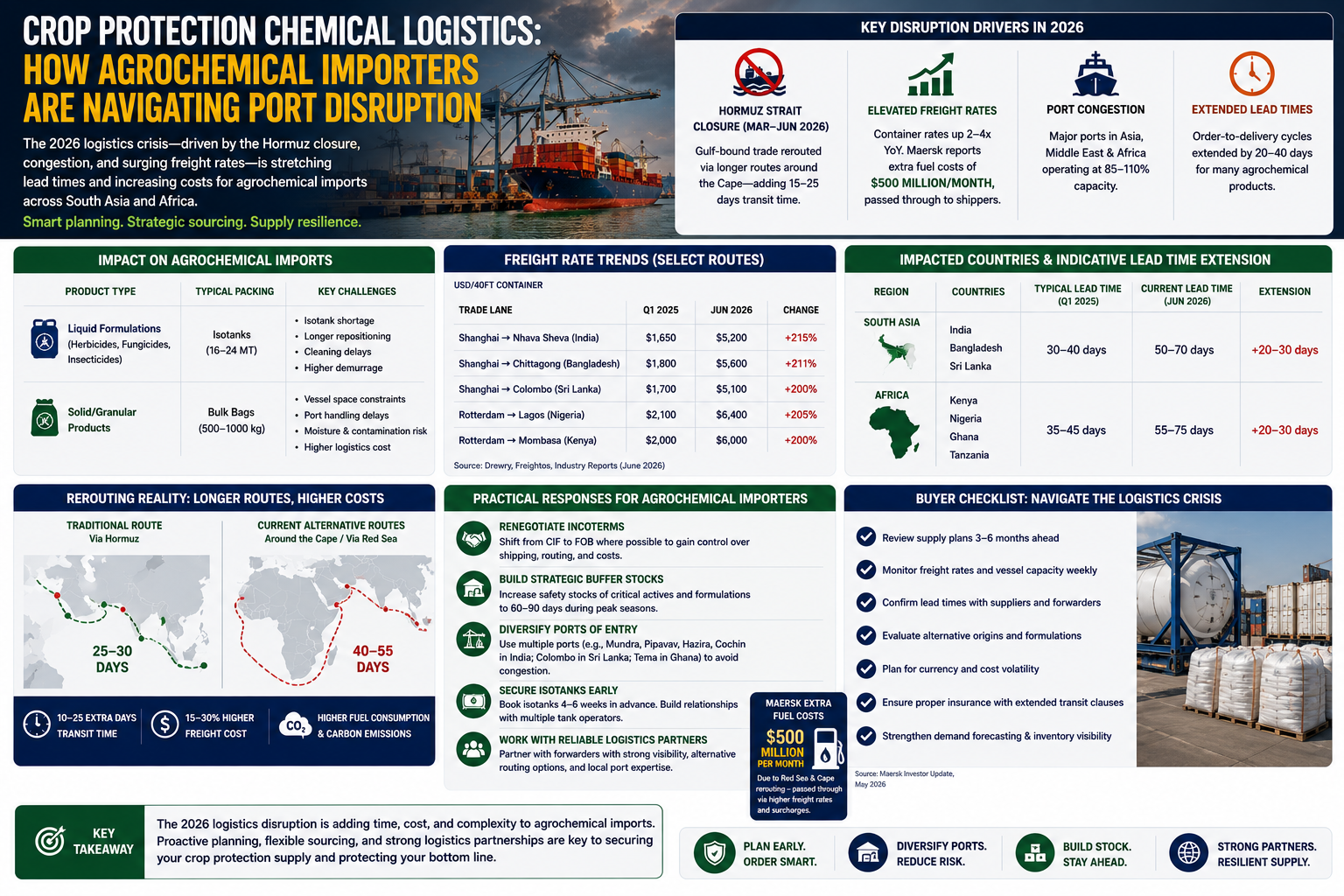
Freight conditions are changing rapidly for global citric acid buyers as shipping routes recover and logistics costs begin to ease. Procurement teams negotiating H2 2026 contracts have a short opportunity to secure improved delivered pricing before freight adjustments spread across the market.

Falling Brent crude prices are creating the first meaningful freight cost correction opportunity since the 2026 shipping crisis began. Chemical buyers should use the July 1 bunker surcharge reset to renegotiate freight contracts and push back against outdated crisis-era shipping costs.

Lower crude oil prices are beginning to create conditions for freight rate relief, but the benefits will not appear immediately. Understanding the timing of bunker fuel resets, spot market adjustments and contract renegotiations is critical for chemical buyers entering Q3 2026.
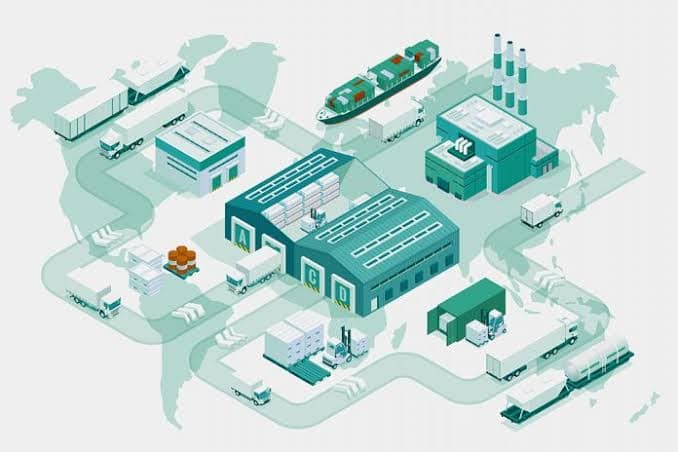
The Hormuz ceasefire agreement reduced immediate disruption risks, but unresolved transit fee negotiations may create a new layer of uncertainty for chemical shippers planning H2 2026 cargo movements.
We're committed to your privacy. Tradeasia uses the information you provide to us to contact you about our relevant content, products, and services. For more information, check out our privacy policy.