The North American chemical industry witnessed its biggest transaction of 2026 when Olin Corporation and Huntsman Corporation announced a definitive merger agreement valued at approximately $12.5 billion. The creation of OlinHuntsman Corporation marks a major shift in how upstream and downstream chemical assets operate across the continent.
Unlike many recent chemical acquisitions that focused on portfolio expansion alone, the OlinHuntsman merger centers on industrial integration. By combining Olin's extensive chlor-alkali production network with Huntsman's downstream specialty chemical businesses, the new company aims to build a more efficient and resilient manufacturing platform capable of serving customers across multiple end markets.
Why the OlinHuntsman Merger Matters
Scale alone does not explain why this transaction has attracted so much attention.
The deal combines one of North America's largest producers of chlorine and caustic soda with a global leader in MDI, epoxy systems, polyurethanes and specialty chemicals. This creates a value chain that extends from basic chemical feedstocks to high-performance industrial products.
Several factors make the transaction significant:
The merger represents the largest North American chemical M&A transaction announced in 2026.
The combined company expects more than $400 million in annual cost synergies, primarily through manufacturing optimization and feedstock integration.
The transaction strengthens domestic chemical production capacity at a time when many buyers seek supply chain security closer to end markets.
The combined business gains broader exposure to construction, automotive, infrastructure, coatings, insulation and industrial manufacturing sectors.
For procurement professionals, the deal deserves attention because integrated producers often influence regional supply availability and pricing structures.
Deal Structure and Ownership Breakdown
The transaction follows an all-stock merger format.
Under the agreement, Huntsman shareholders will receive 0.5476 Olin shares for each Huntsman share they own. Based on the trailing 30-day volume weighted average prices leading up to June 12, 2026, ownership of the combined company will be approximately:
54.5% Olin shareholders
45.5% Huntsman shareholders
Leadership arrangements seek to balance continuity and representation from both organizations.
Ken Lane, currently CEO of Olin, will become Chief Executive Officer of OlinHuntsman Corporation. Peter Huntsman will serve as Non-Executive Chairman, providing strategic oversight and continuity for Huntsman's stakeholders.
The combined company will establish its headquarters in The Woodlands, Texas, reinforcing the region's status as a major center for the North American chemical industry.
Vertical Integration Creates a New Chemical Powerhouse
The most compelling aspect of the transaction lies in vertical integration.
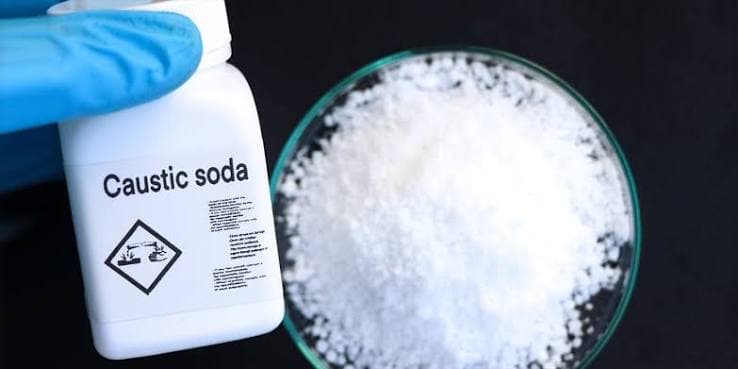
Olin operates extensive chlor-alkali facilities that produce chlorine and caustic soda, both essential building blocks for numerous downstream chemical processes. Huntsman brings substantial capabilities in polyurethanes, MDI systems, epoxy products and specialty formulations.
The strategic rationale becomes clear when examining the production chain.
Instead of relying heavily on external suppliers for key feedstocks, the combined company can coordinate production internally. This approach can improve manufacturing efficiency, reduce transportation costs and enhance supply reliability.
Potential advantages include:
Better feedstock planning across multiple business units.
Reduced exposure to short-term raw material disruptions.
Greater flexibility during periods of market volatility.
Improved operating rates at manufacturing facilities.
Enhanced purchasing leverage for supporting raw materials and utilities.
Many chemical mergers promise synergies through administrative savings. OlinHuntsman's synergy targets appear more heavily tied to operational integration and manufacturing efficiency.
Impact on Chlor-Alkali and Caustic Soda Markets
The chlor-alkali sector sits at the foundation of the transaction's strategic logic.
Olin already ranks among the largest North American producers of chlorine and caustic soda. These products serve industries ranging from water treatment and pulp manufacturing to plastics and industrial processing.
For buyers of chlor-alkali products, several potential outcomes deserve monitoring:
Production planning may become more integrated across the company's manufacturing network.
Internal consumption of chlorine-related feedstocks could increase.
Asset optimization efforts may alter production flows among facilities.
Greater scale could improve resilience during supply disruptions.
Because chlor-alkali economics often depend on balancing chlorine and caustic soda production, the ability to direct downstream demand internally may provide operational advantages that standalone producers cannot easily match.
What the Deal Means for Polyurethanes, MDI and Epoxy Markets
Huntsman's downstream portfolio significantly expands the market reach of the combined organization.
MDI and polyurethane products play critical roles in insulation, automotive components, appliances, furniture and construction materials. Epoxy systems serve coatings, composites, electronics and infrastructure applications.
Buyers in these sectors should pay attention to several developments:
Feedstock security may improve across portions of the value chain.
Investment decisions could accelerate within higher-margin specialty segments.
The combined company may pursue greater manufacturing integration between upstream and downstream assets.
Cross-selling opportunities could strengthen customer relationships across industrial sectors.
The merger also creates a more diversified earnings profile. This diversification may help smooth financial performance during cyclical downturns that affect individual chemical markets.
Competitive Implications Across North America
Chemical industry consolidation often changes competitive dynamics.
The emergence of OlinHuntsman introduces a larger integrated player capable of competing across a broader range of product categories. Competitors may face increased pressure in areas where the combined company can leverage both scale and feedstock advantages.
Key implications include:
Greater bargaining power with transportation providers and logistics partners.
Increased ability to optimize production across multiple business segments.
Potential acceleration of future industry consolidation.
Stronger positioning in strategic North American manufacturing markets.
Large industrial customers may benefit from broader product offerings available through a single supplier relationship.
At the same time, procurement teams should remain attentive to supplier concentration risks that can emerge after major industry mergers.
Supply Chain and Procurement Considerations
For chemical buyers, the transaction's long-term effects may extend beyond corporate ownership changes.
Integrated supply chains frequently lead to changes in procurement strategies, contract structures and inventory management practices.
Procurement teams should evaluate:
Existing exposure to Olin or Huntsman products.
Potential overlap between supply agreements.
Changes in logistics networks and distribution channels.
Opportunities for consolidated purchasing arrangements.
Alternative sourcing options for critical materials.
Supplier diversification remains important even when dealing with large integrated producers. The merger may improve reliability in some product categories while increasing concentration in others.
Organizations with significant purchases of chlor-alkali products, polyurethane intermediates or epoxy materials should monitor integration milestones closely.
The Financial Logic Behind the $400 Million Synergy Target
The headline synergy target exceeds $400 million annually, a figure that has attracted considerable investor attention.
Achieving that level of savings requires more than reducing administrative costs.
Likely sources include:
Manufacturing optimization across combined facilities.
Feedstock integration between upstream and downstream operations.
Logistics efficiencies.
Procurement savings from larger purchasing volumes.
Improved asset utilization.
Rationalization of overlapping support functions.
The credibility of these synergies will ultimately depend on execution. Chemical industry integrations often take several years to deliver their full economic potential.
However, because the merger combines complementary assets rather than identical businesses, management appears to have identified multiple operational opportunities beyond simple cost cutting.
Market Outlook for 2027 and Beyond
The formation of OlinHuntsman reflects broader trends shaping the global chemical industry.
Manufacturers increasingly seek greater control over supply chains, stronger domestic production capabilities and enhanced resilience against geopolitical disruptions. Vertical integration provides one path toward achieving those goals.
Several developments warrant attention over the next 12 to 24 months:
Progress toward regulatory approvals.
Facility optimization plans.
Capital investment announcements.
Realization of announced synergy targets.
Changes in production strategies across key chemical segments.
If management executes successfully, OlinHuntsman could emerge as one of the most influential chemical producers in North America, with significant presence across both commodity and specialty chemical markets.
What Buyers Should Do Now
The OlinHuntsman merger represents more than a large corporate transaction. It signals a structural shift toward integrated chemical manufacturing and supply chain control.
Procurement teams should map current exposure to both companies, review supply agreements and identify materials that could experience changes in sourcing strategies after integration. Companies that rely heavily on chlor-alkali products, polyurethane intermediates, epoxy systems or specialty chemicals should maintain active communication with suppliers as the transaction progresses.
The merger's success will ultimately depend on operational execution, but the strategic rationale remains clear. By connecting upstream chlorine and caustic soda production with downstream specialty chemical demand, OlinHuntsman aims to create a more efficient and competitive chemical enterprise capable of influencing North American markets well into the next decade.
Ready to source caustic soda from verified global suppliers? Explore competitive offers on our platform today.
Caustic Soda Pearls - China CAS: 1310-73-2