

Deoiled Rice Bran

A recently declared embargo has renewed discussion around international maritime law and commercial shipping risk. Chemical procurement and compliance teams should monitor how legal interpretations could influence logistics, sanctions compliance and global trade operations.
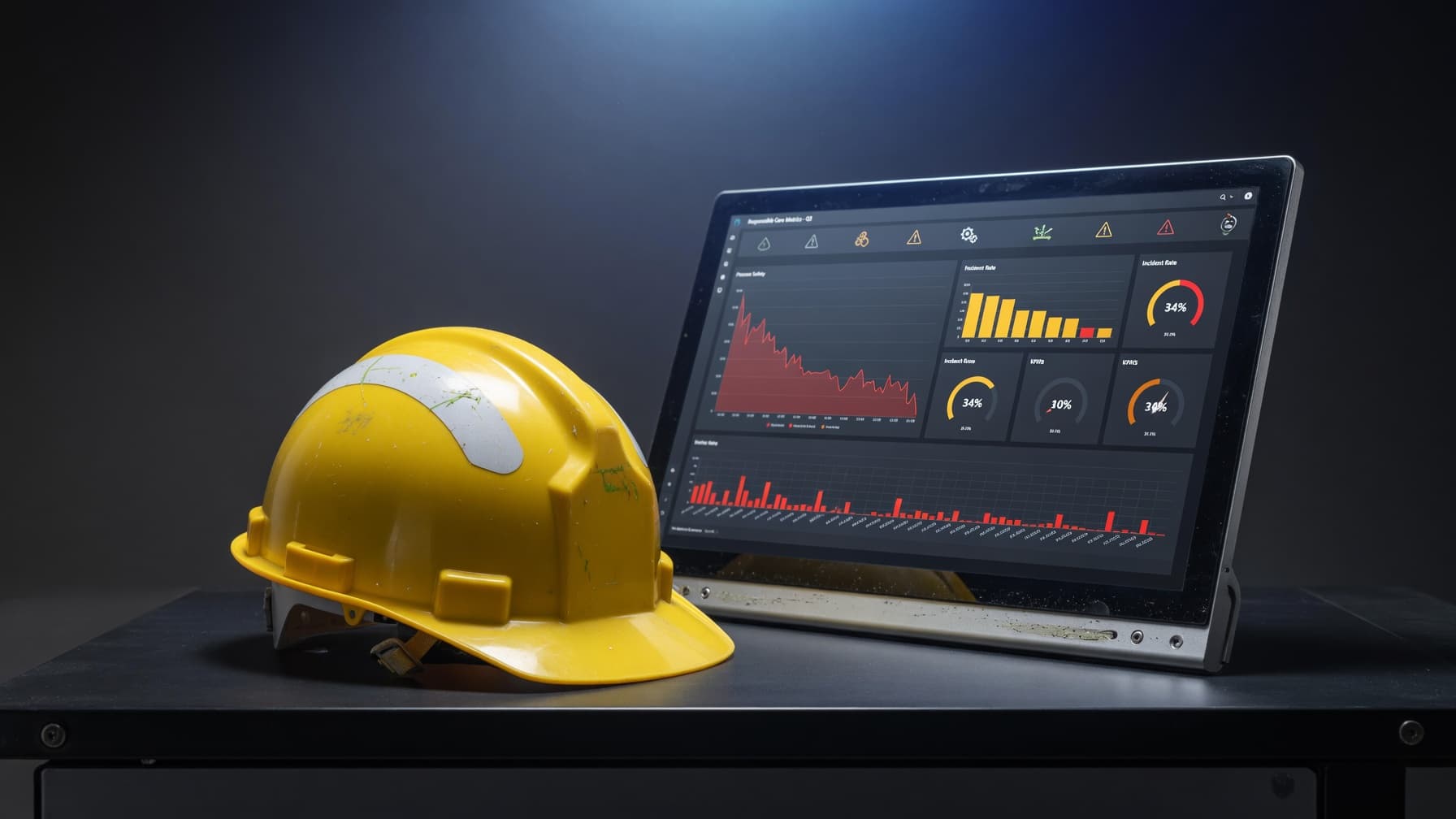
Responsible Care performance indicators remain essential for supplier evaluation, but crisis conditions can influence operational results. This article explores how procurement and ESG teams can interpret 2026 KPI data with appropriate context while maintaining rigorous supplier assessments.
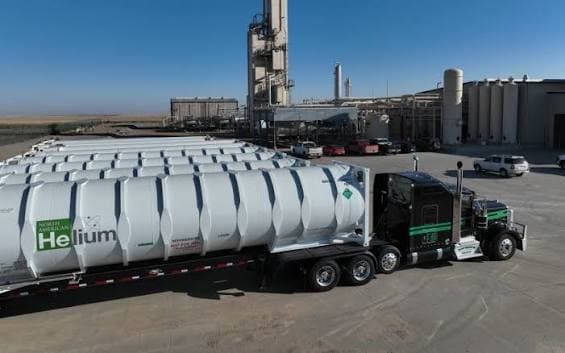
The 2026 Hormuz crisis created one of the most overlooked commodity disruptions in global markets: helium. Damage to Qatar’s Ras Laffan LNG infrastructure reduced helium production capacity, creating a structural supply shortage that may persist for years even as shipping conditions across Hormuz begin improving.

ECHA's upcoming SVHC candidate list update could introduce new compliance obligations for pharmaceutical excipient supply chains. Procurement and regulatory teams should prepare monitoring procedures to identify affected substances as soon as new candidate entries are published.

The upcoming VCI Q2 2026 report underscores a sharp decline in German chemical production, driven by soaring feedstock costs and weak domestic demand. Naphtha‑based downstream plants are hit hardest, while export disruptions to Asia and the Gulf further strain utilization rates. For buyers, the data offers critical insight into supplier stability and pricing dynamics across Europe.

Ammonia availability in Q3 2026 is rebounding, shifting power back to sellers. Indian buyers, once dominant in phosphoric acid pricing, now face tighter margins and less bargaining room. Learn how supply dynamics reshape fertilizer procurement strategies.
We're committed to your privacy. Tradeasia uses the information you provide to us to contact you about our relevant content, products, and services. For more information, check out our privacy policy.