China’s Export Clampdown: The Catalyst
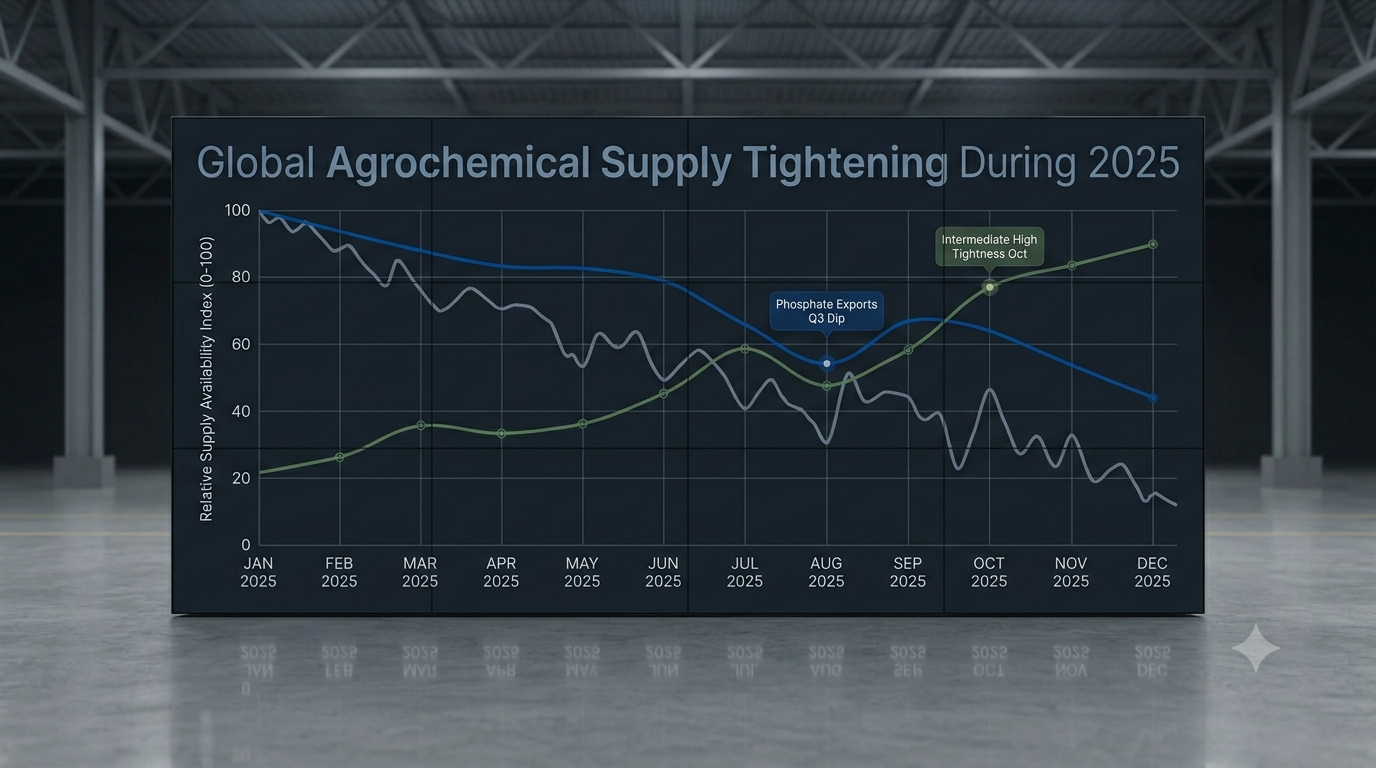
In 2025, the Chinese government announced a series of export restrictions targeting pharmaceutical‑grade herbicides, pesticides, and critical fertilizer raw materials such as phosphate and urea. The rationale—protecting domestic demand and ensuring strategic resource security—has had a ripple effect across the global agrochemical market.
These measures have forced buyers to re‑evaluate their supply chains. Where once the world could lean heavily on Chinese volumes, now the market is fragmented, leading to a surge in sourcing diversity and inventory management.
Impact on Herbicide and Pesticide Markets
China historically supplied over 30% of the world’s herbicide demand, with products ranging from glyphosate derivatives to advanced selective herbicides. The export restrictions cut this share to less than 15% overnight.
Supply Crunch: Immediate shortages in high‑volume active ingredients (AIs) caused price spikes across Europe and North America.
Quality Concerns: Importing regulators now scrutinize product specifications more closely, slowing approvals for new entrants.
Innovation Gap: R&D pipelines that relied on Chinese raw material suppliers face delays, impacting the launch of next‑generation pesticides.
Phosphate and Urea Export Limits
Beyond herbicides and pesticides, China’s export curbs on phosphate and urea—a primary source of nitrogen and phosphorus—have forced fertilizer companies to seek alternatives.
India, Brazil, and the U.S. have stepped up exports to fill the void.
Secondary markets like Russia and Canada have seen a surge in demand, driving domestic production up by 12%.
Some European firms have moved to synthetic alternatives, increasing production costs by 8–10%.
Agrochemical Sourcing Strategies in Flux
Buyers are now adopting multi‑tier sourcing models to mitigate risk:
Geographic Diversification: Adding suppliers from South America, Africa, and Eastern Europe.
Inventory Buffers: Building 6‑month stockpiles to cushion against future shocks.
Strategic Partnerships: Long‑term contracts with smaller regional producers to lock in supply.
Digital Tracking: Implementing blockchain‑based traceability to ensure compliance and quality.
Case Study: A Mid‑Sized Agribusiness in the U.S.
Facing a 25% price hike for glyphosate AIs, the company doubled its inventory of core herbicides and entered a 5‑year contract with a Brazilian supplier. It also invested in a low‑cost local production facility for a generic pesticide, reducing dependency on imports.
Implications for Chemical Procurement
Procurement professionals now face a new set of challenges and opportunities:
Risk Assessment: Enhanced due diligence on geopolitical stability of suppliers.
Cost Management: Balancing higher inventory holding costs against price volatility.
Regulatory Compliance: Navigating differing safety and environmental standards across new markets.
Sustainability Goals: Aligning sourcing with ESG targets by favoring low‑impact production methods.
Future Outlook
While China’s restrictions are currently the most visible shock, the long‑term trend points to a more resilient but fragmented agrochemical landscape. Companies that invest early in diversified sourcing, local production, and digital supply chain visibility will likely emerge as leaders in the post‑restriction era.
In short, the 2025‑2026 period will be a defining moment for the agrochemical industry, challenging traditional supply paradigms and accelerating innovation in procurement and production.
Urea (Granular) - Egypt CAS: 57-13-6