
Related Insights
Global Chemical Production: What Lower 2025 Results Across Major Chemical Companies Mean for Buyers
Most major chemical companies reported weaker sales and earnings during 2025, with DuPont standing out as a notable exception. Procurement teams should understand what these financial results reveal about demand, pricing and the future direction of the global chemical industry.

Adhesive Raw Materials and the Velogy Transition: What EVA, VAM and Acrylic Acid Buyers Need to Know
The transfer of LyondellBasell's European assets to Velogy has introduced fresh uncertainty for buyers of adhesive raw materials. Procurement teams sourcing European EVA, VAM and acrylic acid should closely monitor production plans at the French and German cracker sites.

Water Treatment Chemicals: The 22,500 Mariners and 1,550 Vessels — Humanitarian Demand Dimension
Thousands of vessels stranded in the Persian Gulf during the 2026 disruption created unexpected demand for water treatment and vessel maintenance chemicals. As shipping resumes, fleet inventory replenishment is expected to drive strong Q3 procurement activity.
Polypropylene: PDH Economics at the Intersection of LPG Recovery and Crude Correction
Polypropylene markets entered July with changing supply economics as LPG availability improves and crude prices reshape propylene production costs. Procurement teams should understand how these shifts may influence PP pricing, supplier strategies and purchasing decisions over the coming months.
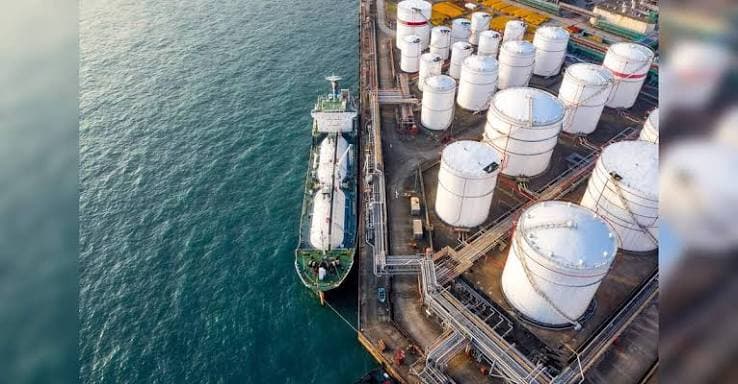
Japan Country Watch: The 46% Naphtha Import Collapse and the Structural Diversification Outcome
Japan's chemical industry enters H2 2026 after overcoming its most severe naphtha supply disruption in decades. The country's rapid diversification of feedstock sourcing may prove to be the most important long-term outcome of the Hormuz crisis, reshaping procurement strategies well beyond the recovery period.

Iran Country Watch: The Internal Contradiction Between Diplomacy, Security and Parliament
Iran enters H2 2026 presenting three distinct institutional positions on diplomacy, maritime security and international engagement. For chemical buyers, understanding these competing policy signals is becoming as important as monitoring production capacity or sanctions compliance.
Don't miss out on our updates! Subscribe to our newsletter now
We're committed to your privacy. Tradeasia uses the information you provide to us to contact you about our relevant content, products, and services. For more information, check out our privacy policy.