the UN FAO Fertilizer Assessment
The Food and Agriculture Organization released its most recent fertilizer food security update in June 2026, highlighting a modest improvement in global fertilizer supply. According to the report, production from major exporters has rebounded after the severe disruptions of 2024, and new production capacity is being added in key regions. However, the assessment underlines that economies heavily reliant on fertilizer imports remain exposed to price shocks and logistical bottlenecks.
Key Findings
Global fertilizer supply has increased by 8% compared to the previous year.
Import‑dependent countries in sub‑Saharan Africa and Southeast Asia face moderate supply risks.
Price volatility remains high, with nitrogen fertilizer prices fluctuating by up to 12% in the last quarter.
Supply chain disruptions due to port congestion and shipping delays have not fully receded.
Implications for Food Security
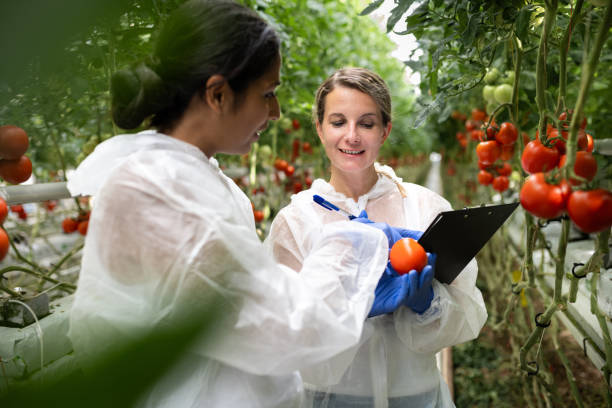
The UN FAO report links fertilizer availability directly to crop yields and ultimately to food security outcomes. While the overall trend is positive, the uneven distribution of supply means that some regions still struggle to secure the inputs necessary for high‑yield agriculture.
Impact on Import‑Dependent Economies
Countries that rely on imported fertilizers—especially nitrogen and phosphate—are at risk of supply interruptions that can depress crop output. This risk is amplified by:
Limited domestic storage capacity, increasing exposure to price spikes.
Frequent port congestion, delaying shipments during critical planting windows.
Currency fluctuations, which can erode purchasing power for imported inputs.
Risk Mitigation Strategies

To safeguard food security, policymakers should consider a multi‑pronged approach:
Develop local production: Investing in domestic fertilizer plants can reduce import dependency.
Expand storage infrastructure: Building regional warehouses mitigates the impact of price volatility.
Diversify suppliers: Engaging multiple trading partners lowers the risk of a single point of failure.
Implement price‑stabilization mechanisms: Subsidies or forward contracts can cushion farmers against sudden price hikes.
Global Fertilizer Supply Trends 2026
The 2026 supply landscape is shaped by several macroeconomic and environmental factors:
Renewable Energy Transition: The shift toward renewable hydrogen is accelerating the development of green ammonia, a cleaner nitrogen source.
Climate‑Resilient Agriculture: Growing demand for resilient crop varieties is increasing fertilizer consumption in regions prone to drought.
Geopolitical Tensions: Trade disputes in major producing regions can disrupt supply chains, emphasizing the need for strategic reserves.
Projections for the Coming Years
Analysts predict a steady rise in global fertilizer supply, with a projected 5% annual increase through 2030. However, the pace of this growth will depend on:
Investment in new production facilities.
Technological breakthroughs in fertilizer efficiency.
Stability of international trade policies.
Policy Recommendations for Stakeholders
Stakeholders—from governments to private firms—can play a pivotal role in ensuring resilient fertilizer supply chains:
Governments should enforce transparent trade policies and support local production initiatives.
Industry players must invest in sustainable production methods to reduce environmental footprints.
International bodies like the UN FAO should facilitate knowledge sharing on best practices and emerging technologies.
Urea (Granular) - Egypt CAS: 57-13-6