
Why Plant Shutdowns Matter More Than Ever
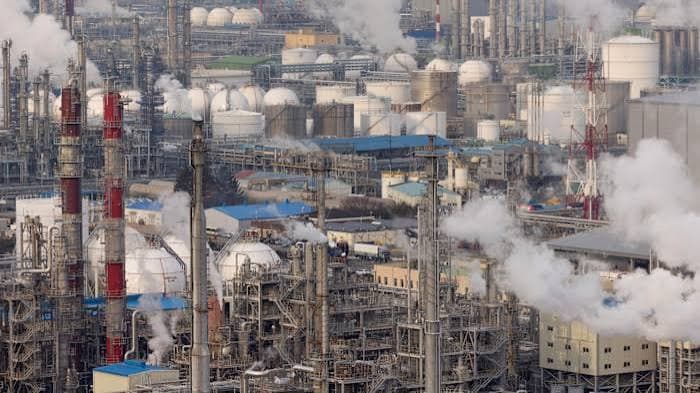
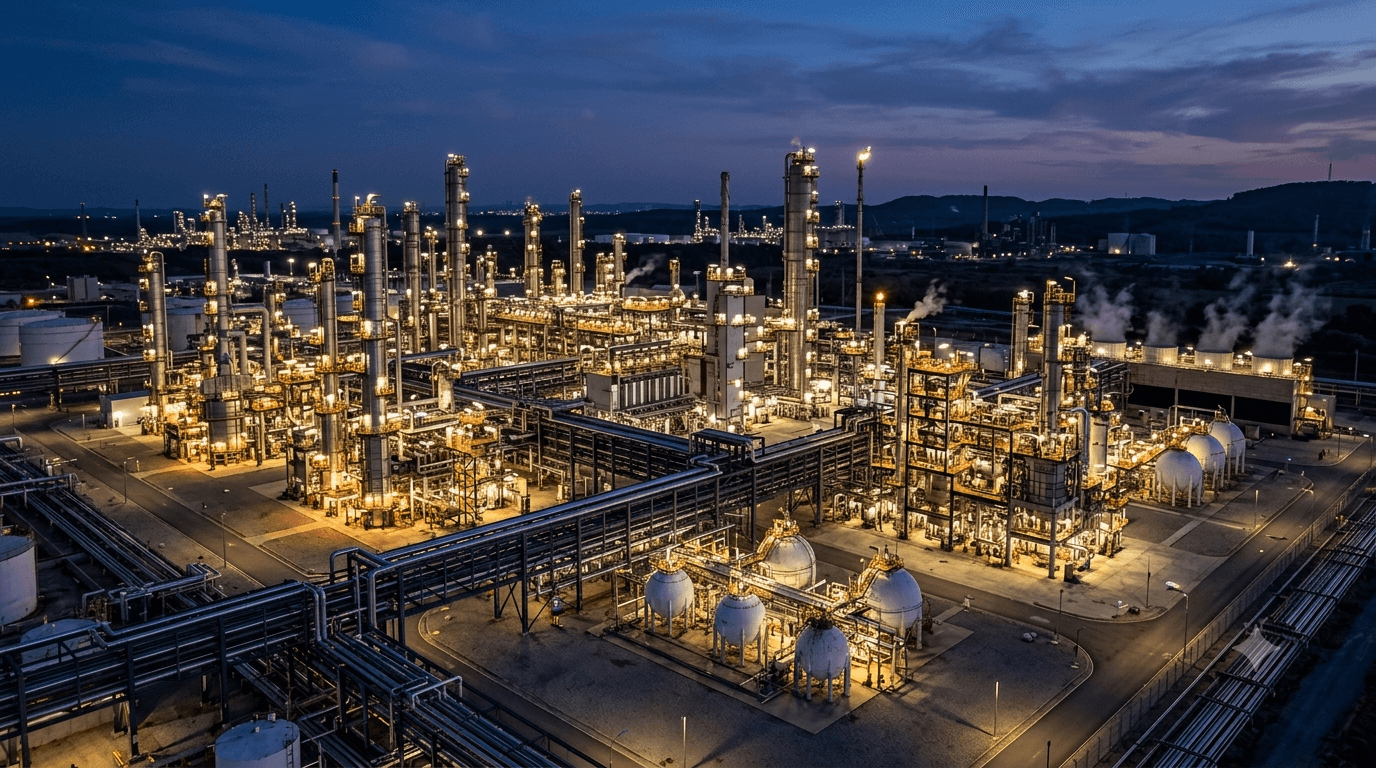
In the chemical sector, supply is tightly linked to the operational status of large integrated complexes. When a single unit goes offline, the ripple effect can be felt across global price indexes, freight contracts, and downstream manufacturers. The 2026 landscape illustrates how plant shutdown impact chemicals has moved from a routine operational concern to a strategic market driver.
Types of shutdowns and their market signatures
- Planned maintenance: Scheduled outages allow for equipment upgrades and safety checks. Their timing is usually announced well in advance, giving customers a chance to adjust inventories.
- Unplanned force majeure: Natural disasters, geopolitical events, or accidents trigger sudden production outages. These events create immediate chemical supply volatility and often result in price spikes.
- Permanent closures: When a plant is shut down for good, it removes capacity from the market permanently, reshaping the supply‑demand balance for years to come.
Key 2026 Shutdown Events and Their Immediate Effects
LyondellBasell‑Covestro POSM Unit, Rotterdam
The permanent shutdown of the propylene oxide and styrene monomer (POSM) unit in Rotterdam eliminated roughly 1.2 million tonnes of capacity. This event is a textbook example of how a permanent structural closure can drive long‑term price premiums for both PO and styrene, prompting buyers to seek alternative feedstocks or shift to other regions.
BASF Restructuring‑Related Outages in Europe
BASF announced a series of phased shutdowns across its European network to streamline operations. While each outage was temporary, the cumulative effect reduced regional supply by an estimated 3 % for key intermediates such as phenol and acetone, tightening the market and increasing freight costs for east‑west shipments.
Force Majeure in Asia: Chandra Asri and Yeochun NCC
Indonesia’s Chandra Asri plant faced a force majeure due to a feedstock shortage, while South Korea’s Yeochun NCC halted production after a catalyst failure. Both incidents curtailed supply of polypropylene and polyethylene, respectively, amplifying the chemical market disruptions already felt from Gulf outages.
Gulf Petrochemical Plant Outages
Multiple plants across Saudi Arabia, Qatar, and the UAE reported forced shutdowns because of feedstock supply constraints and safety incidents. The Gulf region, which accounts for roughly 30 % of global petrochemical capacity, saw a sharp rise in ethylene and propylene prices, underscoring the region’s influence on the petrochemical market disruption narrative.
Long‑Term Implications for Supply Chains
When a plant shuts down, the immediate impact is felt in the spot market, but the longer‑term effects are often more profound:
- Capacity reallocation: Customers scramble to secure alternative sources, often at higher costs, which can accelerate investments in new capacity or recycling technologies.
- Inventory strategies: Companies increase safety stock levels, tying up capital and affecting cash flow.
- Logistics bottlenecks: Shifts in trade flows strain existing freight corridors, raising shipping rates and lead times.
These dynamics highlight why industrial plant maintenance shutdowns are now modeled alongside macro‑economic indicators in many corporate risk‑management frameworks.
Case Study: The Telangana Chemical Factory Explosion (June 30 2025)
Although occurring a year earlier, the explosion at a chemical factory in Telangana, India, remains a cautionary tale. The incident caused a sudden refinery shutdown impact on nearby aromatics production, prompting regulators to tighten safety standards across the region. The event reinforced the link between physical safety risks and market volatility, reminding stakeholders that production outages chemicals can arise from both technical failures and human factors.
Strategic Responses for Market Participants
Companies can mitigate the effects of plant shutdowns through several proactive measures:
- Diversify supply bases: Avoid over‑reliance on a single geography or supplier.
- Invest in digital twins: Real‑time simulation of plant performance helps predict maintenance windows and assess the impact of unexpected outages.
- Strengthen contractual clauses: Include force‑majeure and supply‑risk provisions in long‑term agreements.
- Develop regional hubs: Establishing buffer storage in strategic locations reduces exposure to sudden supply interruptions.
Looking Ahead: Global Production Trends
In the next five years, the chemical industry is expected to add about 10 % more capacity, largely in Asia and the Middle East. However, the pace of new projects is being tempered by heightened environmental scrutiny and the need for resilient operations. As a result, chemical supply volatility will likely remain a defining characteristic of the market, driven by both planned maintenance cycles and the ever‑present risk of unplanned shutdowns.
Stakeholders who integrate shutdown risk into their strategic planning will be better positioned to navigate price swings, protect margins, and sustain growth in an increasingly unpredictable environment.