Overview of India’s Fertilizer Market
India remains the world’s largest consumer of nitrogen, phosphorus, and potassium (NPK) fertilizers. Over the past year, demand has surged while domestic production and imports have struggled to keep pace, leading to a persistent shortfall in key inputs such as triple superphosphate (TSP). The result has been higher prices, delayed sowing for farmers, and increased reliance on higher-cost substitutes.
OCP Morocco’s Strategic Response
OCP, the leading phosphates producer in Morocco, has stepped in to address the imbalance by shipping TSP cargoes to India. With its strategic location and well-established logistics network, OCP can quickly mobilize inventory and secure shipping slots on major routes to Asian markets.
Key Features of the OCP TSP Shipment
Volume: Each container carries approximately 20,000–25,000 kg of TSP, with a total of 10 containers dispatched in the last quarter.
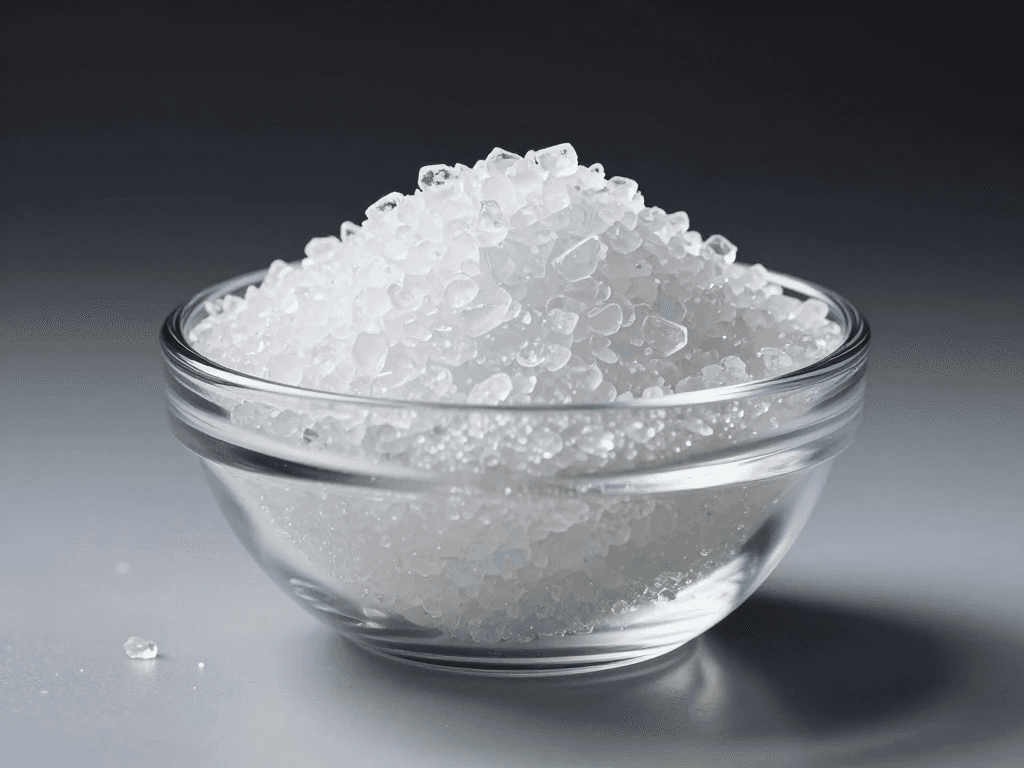
Quality: The TSP meets international standards, with a phosphate content of 44–48% and a low moisture level.
Lead Time: Transit time from OCP’s port of Tanger Med to the Port of Kandla or Mumbai averages 18–22 days.
Impact on India’s Fertilizer Stocks
These cargoes have immediately lifted India’s TSP inventory levels, reducing the deficit by roughly 12% of the annual requirement. According to the Ministry of Agriculture, the current stock-to-use ratio for TSP has improved from 0.8 to 1.0 months.
Benefits for Farmers and the Economy
Lower Input Costs: With more TSP available, farmers can purchase at more competitive prices, potentially reducing the overall cost of cultivation.
Improved Crop Yields: TSP is a critical source of phosphorus, essential for root development and grain quality. Enhanced availability supports better yields across wheat, maize, and rice.
Market Stability: By mitigating sudden price spikes, the cargoes contribute to a more predictable market environment for both producers and traders.
Persistent Supply Constraints
Despite the positive impact, experts caution that the market remains fragile. Several factors keep supply thin:
Global Demand Surge: China’s rapid construction and agricultural expansion continue to absorb large volumes of phosphates.
Production Bottlenecks: Several key phosphoric acid plants in Southeast Asia face maintenance downtime, limiting output.
Logistics Challenges: Port congestion and limited container availability in major Asian hubs push shipping times beyond the 18–22 day window.
Future Outlook
OCP is exploring additional avenues to sustain supply to India. These include:
Expanding Production Capacity: Planned upgrades at the OCP phosphoric acid plant aim to increase annual output by 5%.
Diversifying Shipping Routes: Direct sailings from Tangier to Colombo and onward to Indian ports could reduce transit times.
Strategic Stockpiling: Building regional reserves in India’s fertilizer warehouses to buffer against short-term shocks.
For Indian stakeholders, the immediate relief offered by OCP’s TSP cargoes is a welcome development, but a long-term solution will require coordinated efforts from producers, exporters, and government agencies. Continued monitoring of global supply chains, investment in local production, and improved logistics will be essential to achieving a balanced fertilizer market.
Monocalcium Phosphate (Granular) - Turkey CAS: 81012-89-7