Citrus Pulp CAS: 94266-47-4
Citrus Pulp CAS: 94266-47-4

Thai sorbitol production is tightening as the annual tapioca feedstock gap reduces output, while Chinese suppliers continue operating at stable capacity with competitive export pricing. Procurement teams planning H2 2026 purchases have a valuable opportunity to lock in improved delivered costs before seasonal market dynamics shift again.
The caustic soda market in Asia may be entering a new phase as Gulf producers gradually regain export access following developments at Bürgenstock. Indian suppliers that benefited from reduced regional competition during the Hormuz disruption now face potential pricing pressure, while buyers across Southeast Asia gain new sourcing opportunities heading into Q3 2026.
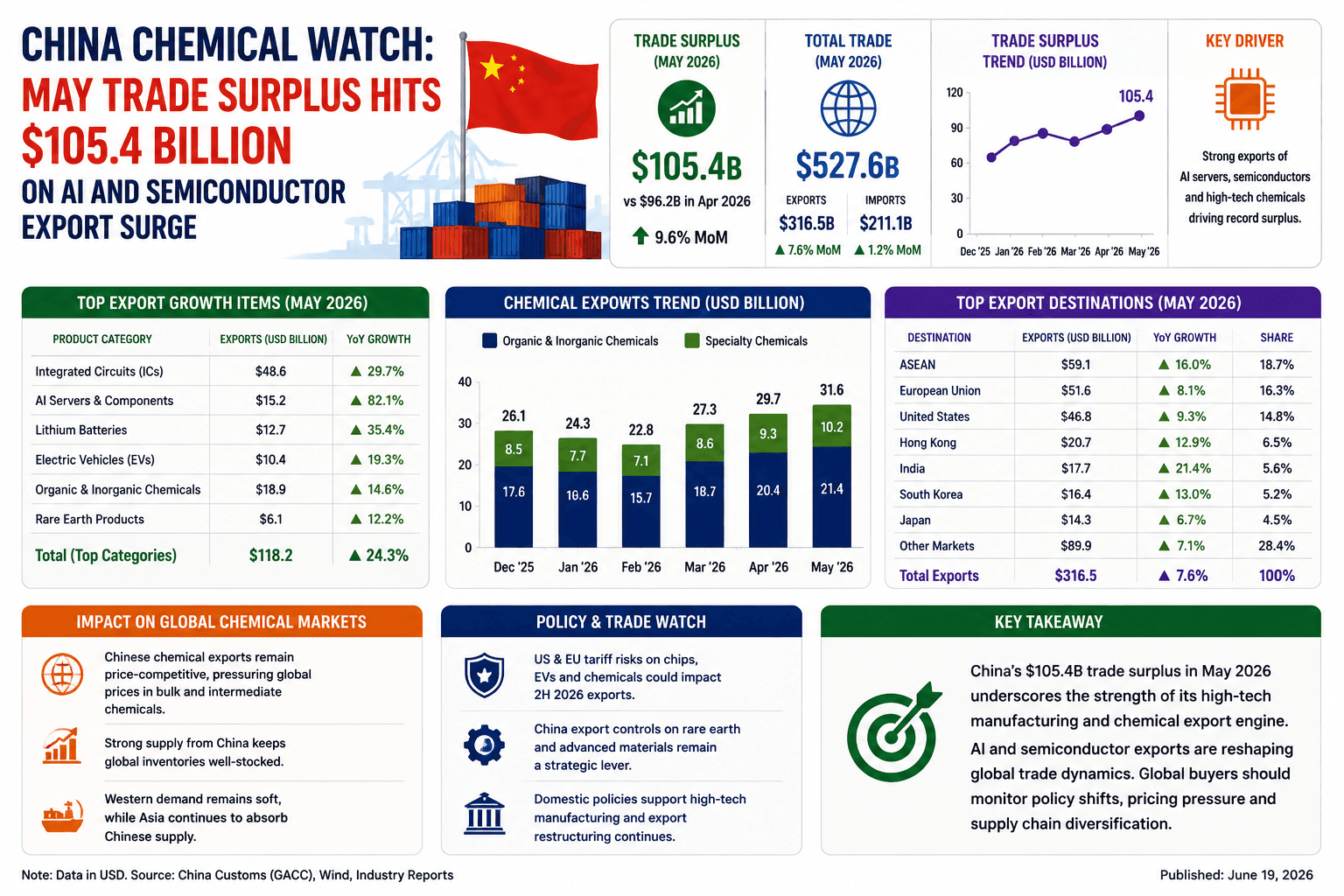
China’s May 2026 trade surplus reached $105.4 billion on booming AI and semiconductor exports, but weak petrochemical demand and falling domestic chemical prices reveal a growing divide inside China’s industrial economy that buyers cannot ignore.

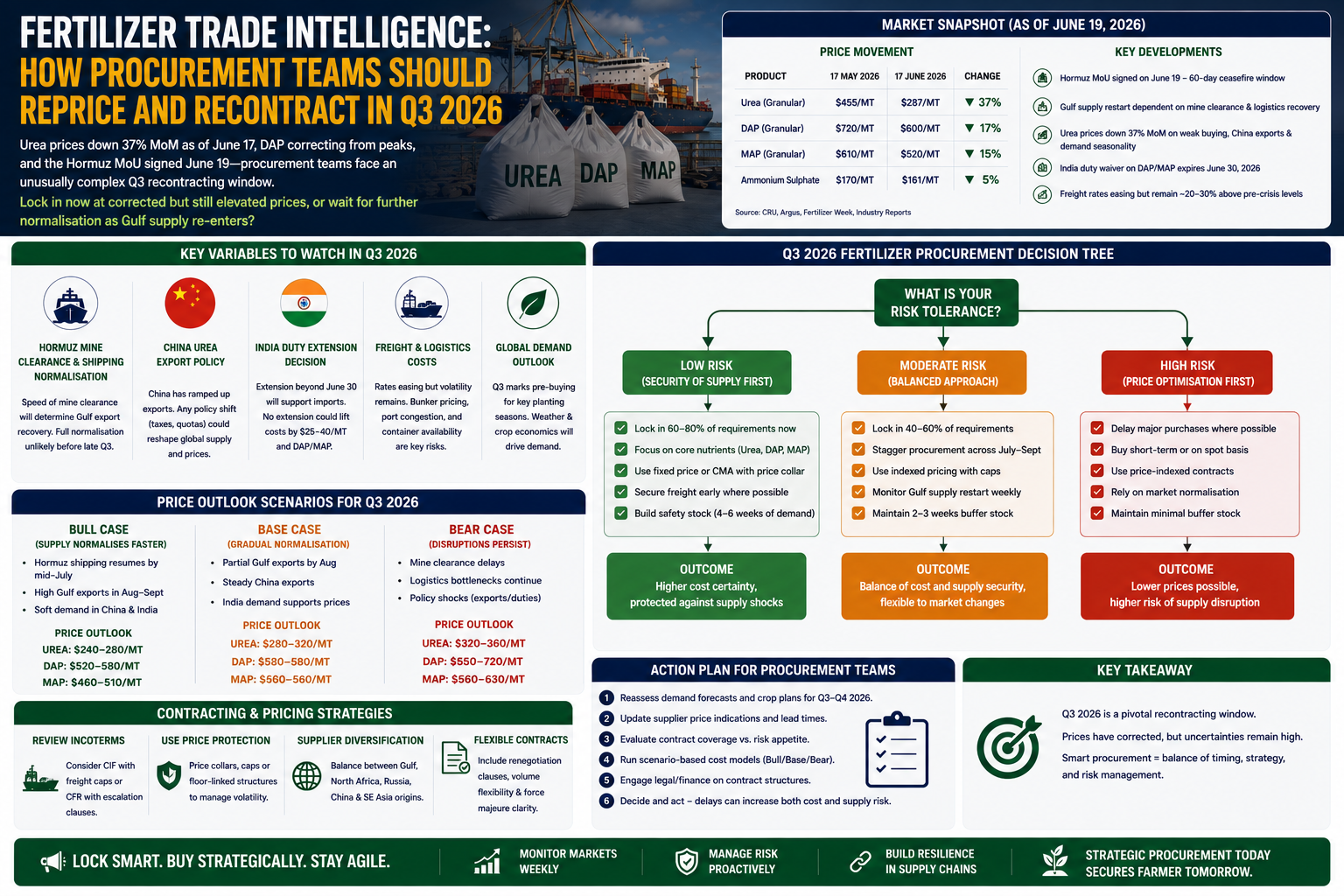
Urea prices fell 37% in June 2026 as Hormuz ceasefire progress eased supply fears and Gulf exports moved toward recovery. For fertilizer buyers, the correction creates opportunity, but China’s export restrictions remain a major market risk.
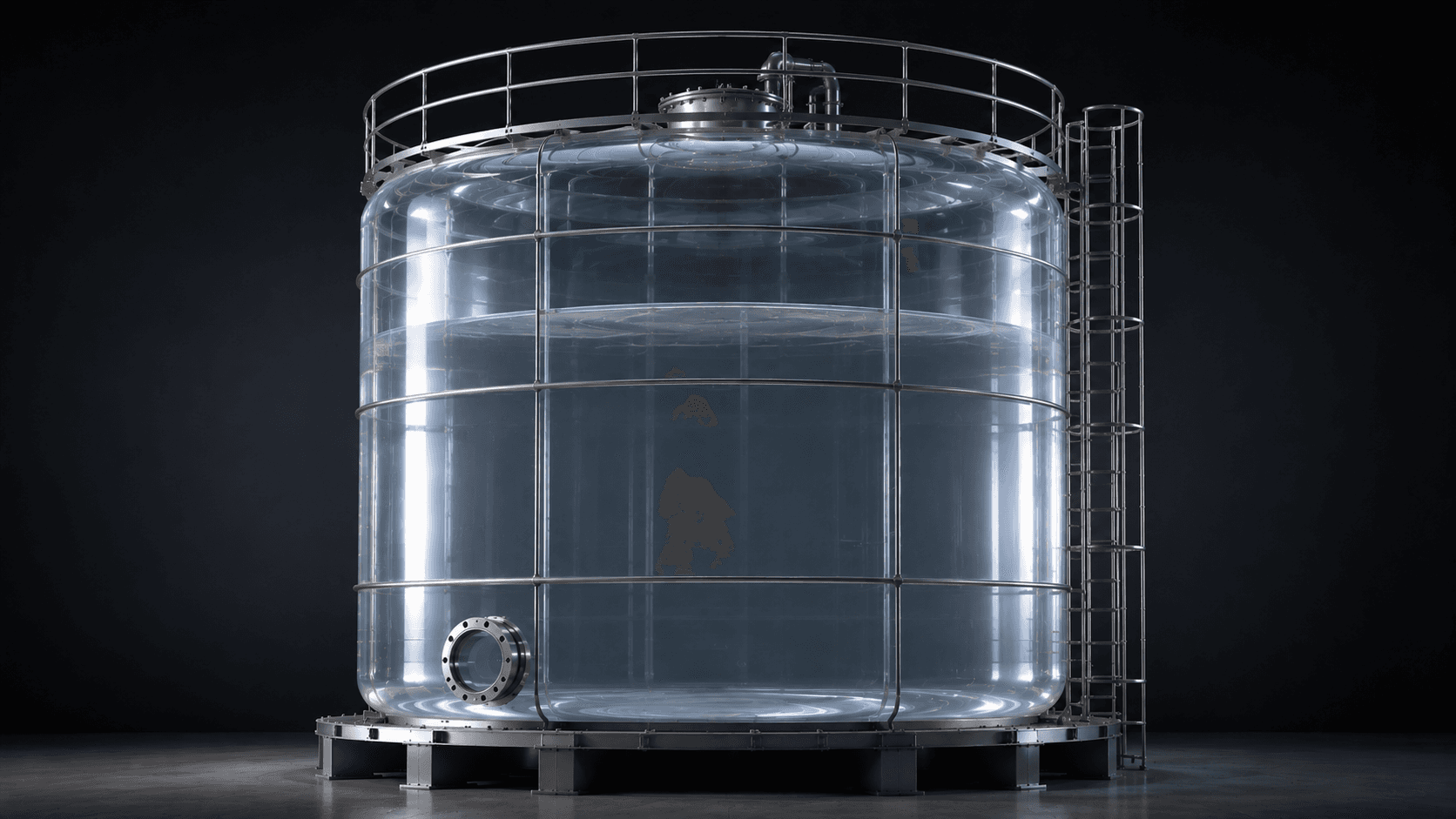
Methanol futures have reached their highest level since 2021 as disruptions around the Strait of Hormuz squeeze global supply. With ceasefire negotiations creating hopes of recovery but shipping risks still unresolved, procurement teams face critical decisions on contract timing and inventory strategy.

The 2026 Hormuz crisis demonstrated that shipping chokepoints are no longer theoretical risks. For chemical buyers, understanding which products depend on vulnerable trade corridors has become essential for procurement planning and supply chain resilience.
We're committed to your privacy. Tradeasia uses the information you provide to us to contact you about our relevant content, products, and services. For more information, check out our privacy policy.