
Related Insights

Algal Oil and Marine Bio-Based Ingredients: A Hormuz-Independent Supply Strategy for Food Ingredient Buyers
Fermentation-based marine ingredients such as algal DHA, astaxanthin and beta-glucan offer food manufacturers a more resilient supply chain during periods of global shipping disruption. Procurement teams should understand why production geography matters as much as ingredient performance.
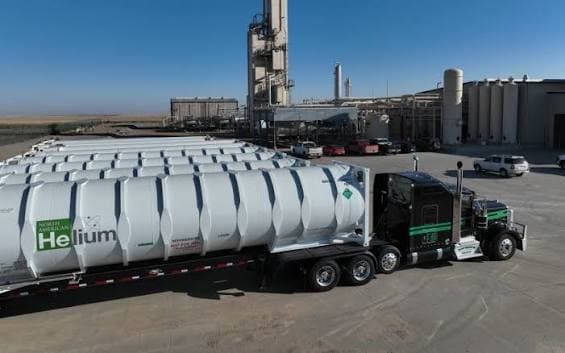
Helium: Qatar's LNG Halt and the Forgotten Supply Chain
The 2026 Hormuz crisis created one of the most overlooked commodity disruptions in global markets: helium. Damage to Qatar’s Ras Laffan LNG infrastructure reduced helium production capacity, creating a structural supply shortage that may persist for years even as shipping conditions across Hormuz begin improving.
UNCTAD's Trade Impact Report: Chemical Trade Volume Reduction Quantified
UNCTAD's formal Hormuz Strait Disruptions assessment one of the most authoritative quantifications of the crisis's trade impact

Electronic Chemicals and the Semiconductor Supply Chain: Congress Tightens Focus on Critical Minerals
Electronic chemicals and specialty gases are now seen as defense‑critical, as a July 2026 CRS report highlighted the risk of Hormuz disruptions to sulfur and rare‑gas supplies. Congress is moving to classify these materials, unlocking federal incentives and reserve mechanisms. Procurement managers must map their portfolios to align with the new security‑of‑supply framework.
Stranded Vessel Update: The 485 Ships That Remain and How the Exit Queue Works
Although Gulf shipping has improved significantly since the peak of the Hormuz crisis, hundreds of vessels remain awaiting transit. Understanding the commercial priority system governing departures is essential for chemical buyers tracking delayed cargoes and planning H2 2026 deliveries.

Green Ammonia: Post-Bürgenstock Timeline for Gulf Projects
Green ammonia projects across the Gulf have been delayed following the Hormuz crisis, pushing major timelines into 2027–2028. For long-term hydrogen buyers, the disruption strengthens the case for diversifying supply beyond the Gulf into Europe, Africa, and Australia.
Don't miss out on our updates! Subscribe to our newsletter now
We're committed to your privacy. Tradeasia uses the information you provide to us to contact you about our relevant content, products, and services. For more information, check out our privacy policy.