

Related Insights

Force Majeure Declarations Loom: What Chemical Procurement Teams Should Know About Contract Risk
Prolonged geopolitical disruption is increasing the likelihood of force majeure declarations across energy and chemical supply chains. Procurement and legal teams should review contracts, supplier obligations and contingency plans before disruptions escalate.

China Text Helium Block and NMR Spectroscopy: What the Supply Crisis Means for Pharmaceutical Quality Control
Helium supply constraints are creating new challenges for pharmaceutical laboratories that rely on NMR spectroscopy for quality control. Procurement teams should review helium inventories, supplier allocations and long term supply resilience before laboratory operations are affected.

Sorbitol: China's Old-Crop Supply Window and Why July Is the Contracting Sweet Spot
July 2026 presents a rare procurement opportunity for sorbitol buyers as stable Chinese feedstock costs, Thailand’s seasonal production gap, and easing freight rates combine to create one of the most attractive contracting windows of H2. Buyers with second-half demand requirements should act before supplier

AIS Data vs Headline Status: Why Strait of Hormuz "Closure" Claims Can Mislead Chemical Supply Chains
Headline reports often describe the Strait of Hormuz as closed during periods of military escalation, but AIS vessel tracking frequently tells a different story. This analysis explains why chemical traders and procurement teams should rely on verified shipping movements instead of political rhetoric when managing logistics, sourcing and freight risk.
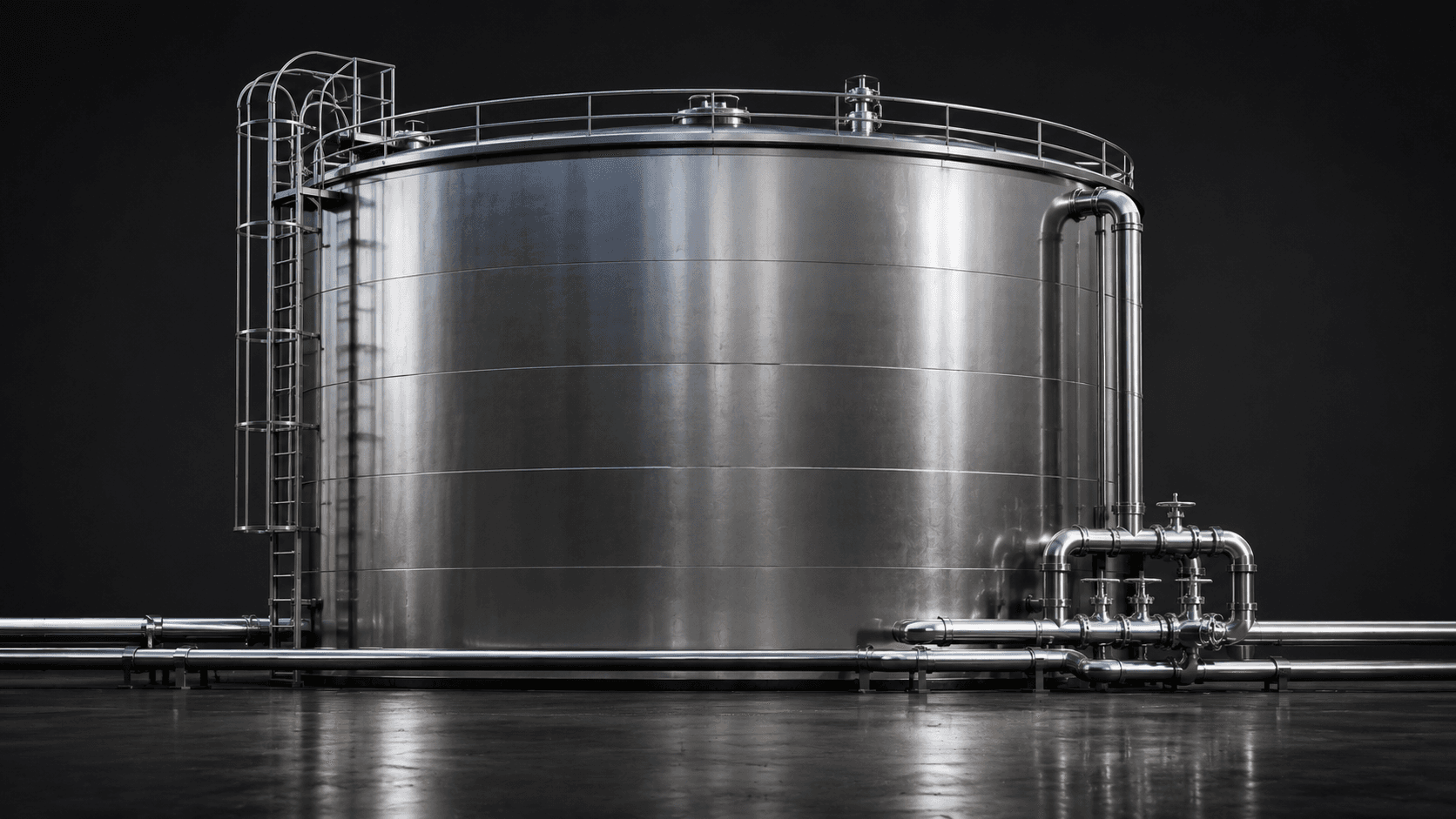
India Duty Waiver Ends Tonight, The Most Critical Monoethylene Glycol Procurement Moment of 2026
India's temporary customs duty exemption on Monoethylene Glycol expires at midnight, creating a major turning point for polyester manufacturers and chemical buyers. As Gulf supply improves and production costs ease, procurement teams must balance lower international prices against higher landed costs before finalizing Q3 purchasing strategies.

Global Chemical Trade Intelligence Report: H1 2026 Closing Summary
H1 2026 reshaped global chemical trade as the Hormuz crisis disrupted supply routes, cut seaborne volumes by up to 20%, boosted Chinese and US exports, and permanently altered logistics patterns. H2 will determine which of these structural shifts become the new normal.
Don't miss out on our updates! Subscribe to our newsletter now
We're committed to your privacy. Tradeasia uses the information you provide to us to contact you about our relevant content, products, and services. For more information, check out our privacy policy.