

Related Insights
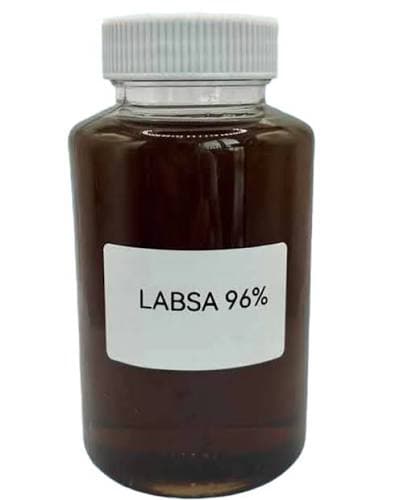
Biosurfactants vs. LABSA: Why July–August Is a Critical Qualification Window
As LABSA prices begin to stabilize, personal care and cleaning manufacturers have a valuable opportunity to complete biosurfactant qualification and strengthen future sourcing flexibility.

MSG and Umami: Mid-Year Supply Chain Review as Fufeng and Meihua Prepare H2 Pricing
The global MSG market enters a critical procurement period as major Chinese producers prepare their second half of 2026 pricing. Freight costs have eased, feedstock conditions remain favorable and buyers have a limited window to secure competitive contracts before new price schedules take effect.
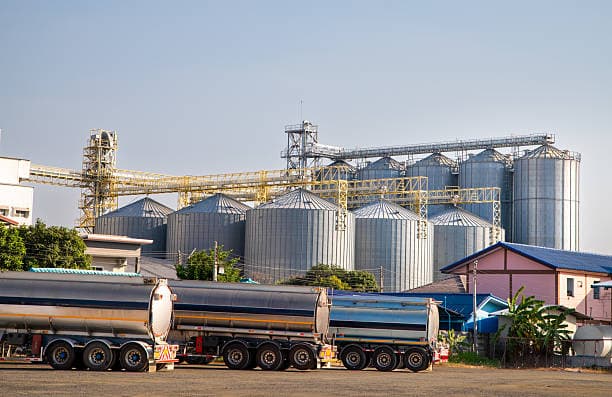
Agrochemical Logistics 2026: Cape Route vs Hormuz Corridor
Shippers face a critical routing decision in Q3 2026, weighing the Cape Route’s faster transit against the Hormuz Corridor’s higher insurance costs. Freight rates, geopolitical risk, and delivery windows differ, impacting fertilizer shipping profitability.

Citric Acid: Chinese Producers Reassess H2 Export Pricing as Freight Relief Approaches
Chinese citric acid producers are reevaluating H2 2026 export contracts amid easing bunker fuel costs, which could lower freight expenses and reshape pricing dynamics. This shift may benefit global food additive buyers seeking cost‑effective imports.
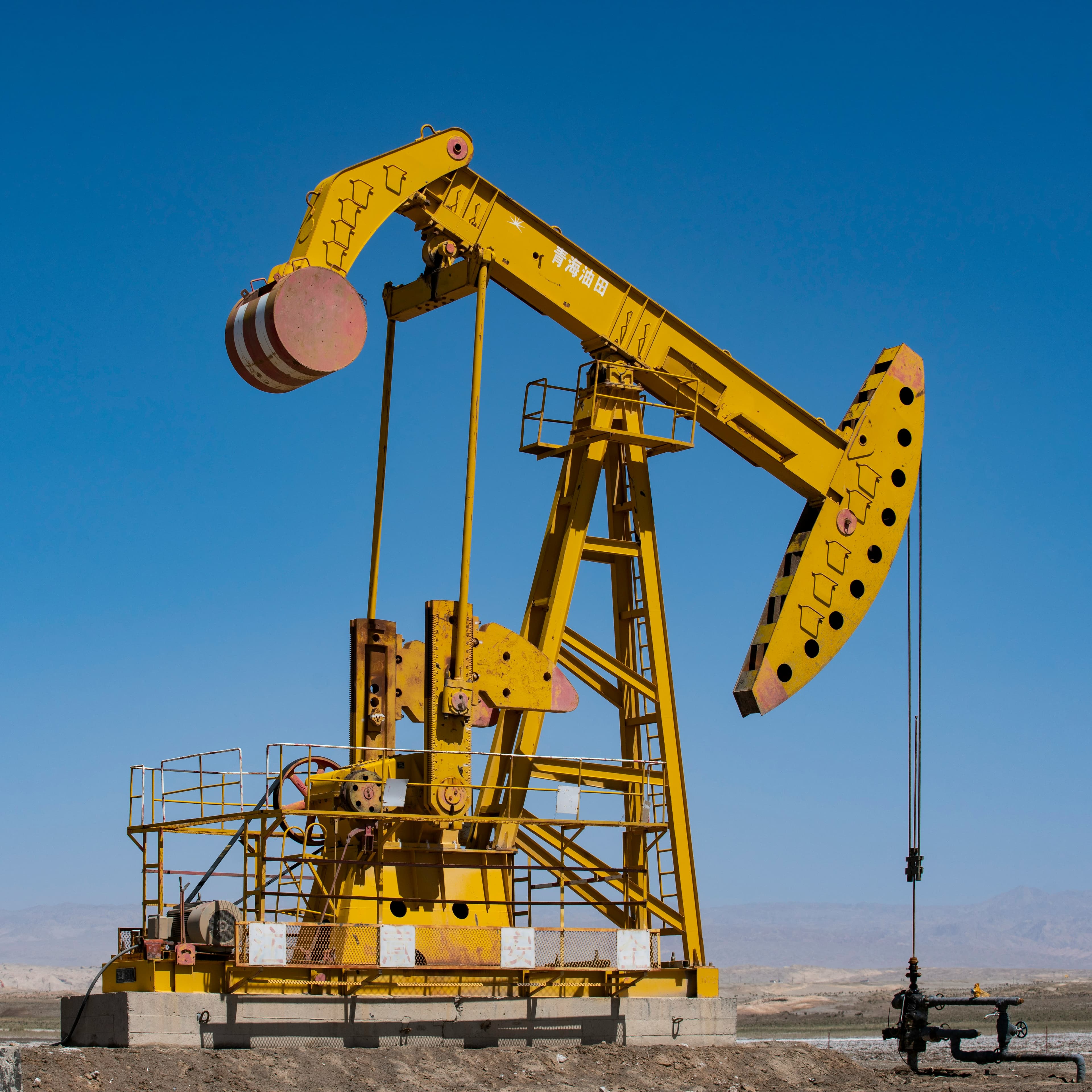
Specialty Chemical Pricing Outlook: How Lower Crude Changes the Cost Stack in H2 2026
As crude oil prices move below $80 per barrel, specialty chemical producers are preparing for lower feedstock costs across solvents, surfactants, coating resins, and polymer additives. However, cost pass-through in specialty chemicals typically lags by 6–10 weeks, meaning Q3 contract negotiations remain critical for buyers seeking to capture expected price declines during the second half of 2026.
Crop Protection Chemical Logistics: How Agrochemical Importers Are Navigating Port Disruption
Agrochemical importers are facing severe logistics disruption in 2026 as Hormuz closure, higher freight costs, and port congestion delay crop protection chemical shipments. Procurement teams are responding through buffer stock planning, port diversification, and contract renegotiation.
Don't miss out on our updates! Subscribe to our newsletter now
We're committed to your privacy. Tradeasia uses the information you provide to us to contact you about our relevant content, products, and services. For more information, check out our privacy policy.